-
Mira Kapoor’s Simple Soup for Anaemia: A Health Tip Worth Sharing
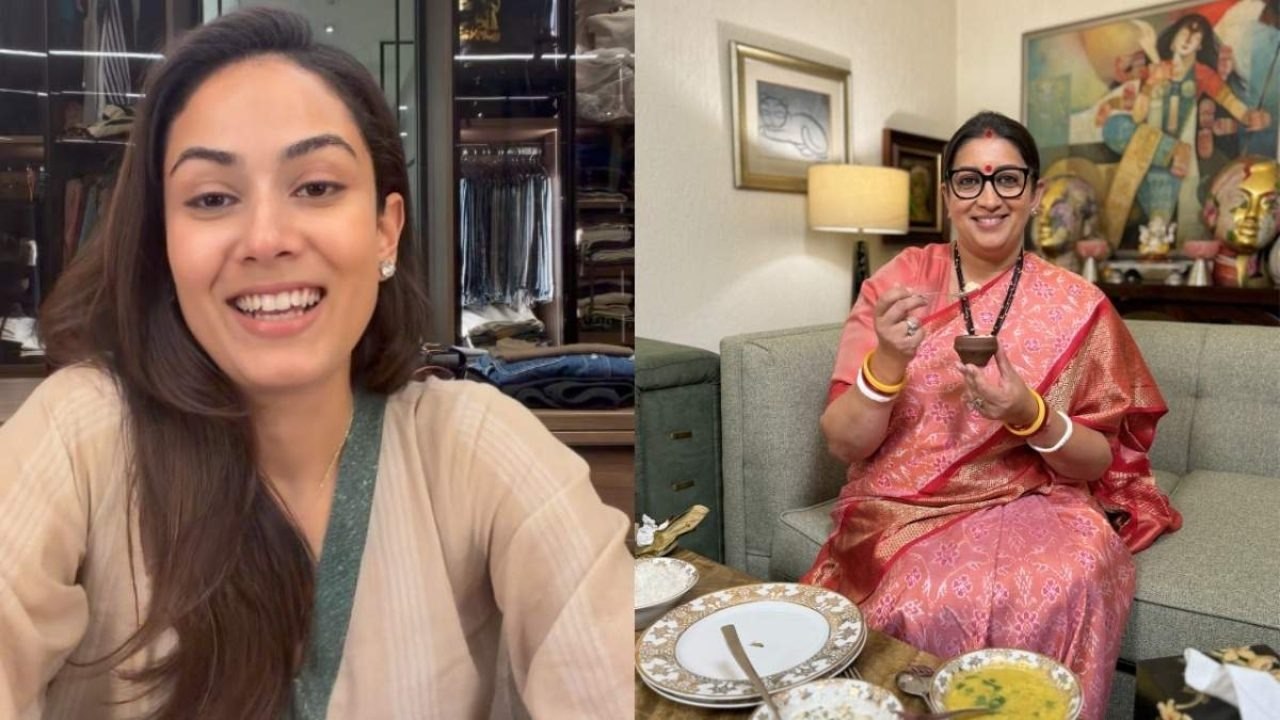
In a heartwarming moment, Mira Kapoor recently shared how a simple health tip, originally from former Union minister and television actor Smriti Irani, made a significant difference in her journey with anaemia. Kapoor recounted watching a video where Irani detailed a recipe for an iron-rich soup, featuring humble ingredients like drumstick, red lentils (masoor dal), onion, ginger, and tomato.
Having personally grappled with anaemia, Kapoor decided to try the soup for about three months. To her delight, she observed a noticeable improvement in her blood reports. Inspired by her positive experience, she encouraged her followers to embrace this recipe, especially given the widespread prevalence of anaemia among women in India.
But can a simple bowl of masoor dal and drumstick soup truly be a game-changer for anaemia? And for those already diagnosed with iron-deficiency anaemia, is diet alone sufficient?
The Nutritional Power of Masoor Dal and Drumstick
Dietitians confirm that masoor dal and drumstick are indeed excellent additions to an iron-boosting diet. Bharathi K, HOD, Dietetics, Hosmat Hospital, notes that masoor dal offers plant-based (non-haem) iron, while drumstick leaves are a valuable source of iron and other essential micronutrients. Beyond iron, this combination is a nutritional powerhouse. Masoor dal provides plant protein, folate, and fibre, while drumstick contributes a wealth of vitamins, minerals, and antioxidants. Satnam Kaur, senior dietitian at Ganga Ram Hospital, highlights that drumstick pods also offer dietary fibre, vitamin C, potassium, calcium, and magnesium.
Maximizing Iron Absorption: The Vitamin C Connection
A crucial aspect of dietary iron intake is its absorption. Plant-based iron, or non-haem iron, can be significantly influenced by other components of a meal. “Pairing the meal with a source of vitamin C, such as lemon or amla, can improve absorption of the plant-based iron,” Bharathi explains. Kaur echoes this advice, suggesting foods like lemon, tomato, amla, or guava to enhance iron absorption when consuming masoor dal and drumsticks. The ICMR–National Institute of Nutrition Dietary Guidelines for Indians, 2024, also underscore the importance of dietary diversity and vitamin-C-rich foods in boosting iron absorption from plant sources. Conversely, Bharathi advises against consuming tea and coffee around meal times, as they can impede iron absorption.
“Having this soup regularly can contribute to a better iron intake, but it should be looked at as one part of the overall diet rather than a stand-alone remedy for anaemia.”
Soup as a Dietary Aid, Not a Stand-Alone Cure
While the masoor dal and drumstick soup is undoubtedly a nutrient-dense and affordable meal that supports adequate iron, folate, and protein intake, dietitians are clear that it should not be considered a treatment for diagnosed anaemia. “There is nothing particularly magical about the soup itself,” Bharathi states. Its true value lies in its nutritional combination and in integrating iron-containing foods into a regular, balanced diet.
For individuals already diagnosed with iron-deficiency anaemia, the soup can be a beneficial dietary inclusion but must not replace prescribed medical treatment. Bharathi emphasizes that a diagnosis of iron-deficiency anaemia necessitates investigating the underlying cause, which could range from poor dietary intake to heavy menstrual bleeding, pregnancy, poor absorption, or gastrointestinal blood loss. For those with significantly low haemoglobin or iron stores, food alone may not suffice to correct the deficiency, and iron supplements might be required following an individual assessment.
Mira Kapoor experienced improved blood reports after regularly consuming a masoor dal and drumstick soup.The soup, a tip from Smriti Irani, combines red lentils (masoor dal) and drumstick, both rich in plant-based iron and other nutrients.Dietitians emphasize pairing this iron-rich meal with Vitamin C sources like lemon or amla to enhance iron absorption.It is advised to avoid tea and coffee around meal times as they can hinder iron absorption.While highly nutritious and beneficial for iron intake, the soup is not a standalone remedy for diagnosed iron-deficiency anaemia.For diagnosed anaemia, medical assessment, investigation into underlying causes, and potentially iron supplements may be necessary.