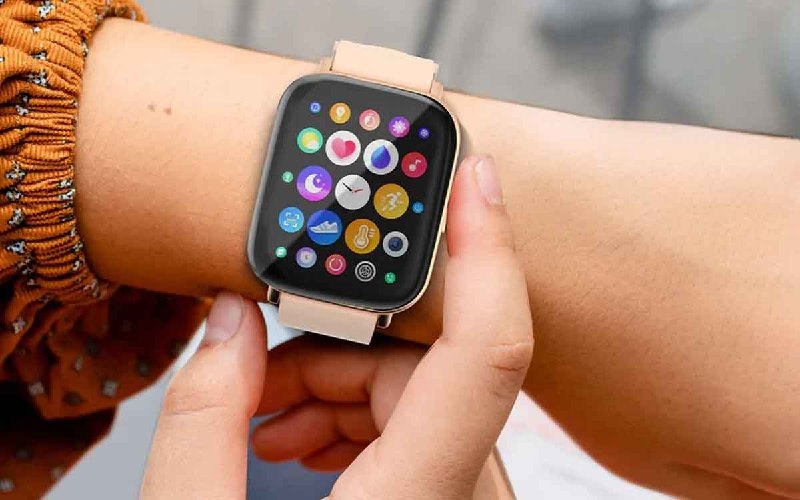
Smartwatches are no longer just step counters. Many now record heart rate, sleep duration and physical activity, and some models flag unusual changes in heart rhythm and send warnings to the wearer. The question for most people is simple: does any of this actually improve health, or does it just add another number to worry about? Health experts say the answer depends on how the data is used.
The biggest promise lies in tracking everyday numbers. Daily step counts, heart rate and sleep duration can help people spot patterns in their own routines. Over time, those patterns can nudge someone toward better habits, such as a short walk after a long day at a desk or an earlier bedtime when sleep keeps slipping. The device does not do the work. It simply makes the habits visible.
The atrial fibrillation alert
The most significant feature in the reporting is the ability of some smartwatches to identify a possible case of atrial fibrillation, an irregular heart rhythm. The condition matters because it raises the risk of an ischemic stroke, the type caused by a blood clot blocking blood flow to the brain. According to the health guidance, that risk rises roughly fivefold when atrial fibrillation is present.
That is exactly why the alert deserves attention. Yet the source is clear that a smartwatch warning is not a medical diagnosis. A person who receives an alert about an abnormal heartbeat should contact a doctor and get tests such as an ECG, which records the heart’s electrical activity, or other examinations the physician considers necessary.
The reverse also holds. A watch that shows no warning does not prove the heart is healthy. The devices cannot rule out heart problems on their own, and a clean reading should not be treated as a green light to ignore symptoms or skip a checkup.
A smartwatch warning is not a medical diagnosis, and a clean reading does not mean there are no heart problems.
Can a watch actually prevent a stroke?
Not directly. Smartwatches cannot stop a stroke by themselves. Their role is narrower but still useful. By catching atrial fibrillation early, they can encourage people to seek treatment sooner. In some cases, that earlier care can lower stroke risk, particularly when doctors prescribe medicines that prevent blood clots from forming.
That distinction matters for anyone tempted to treat a wrist device as a substitute for medical care. The watch can start the conversation with a doctor. It cannot finish it.
Accuracy varies by device
Not every smartwatch measures health data the same way. Some models also record blood oxygen levels, stress estimates and changes in heart rate. The accuracy of those readings depends on the specific device, which means a reading from one brand should not be compared directly with another.
Even a reliable device can produce misleading numbers. Heart rate naturally shifts with exercise, sleep, and emotions. A watch that is worn loosely, or a reading taken while the wearer is moving, can also produce results that look alarming but mean very little. The experts’ advice is to avoid treating every small change as a sign of illness.
For that reason, the useful approach is to focus on the metrics that serve a specific health goal. Someone trying to walk more should watch step counts. Someone managing sleep should track duration over weeks, not single nights. Chasing every fluctuation tends to create anxiety without improving health.
Why obsessive tracking can backfire
Relying too heavily on a smartwatch can lead to unnecessary worry. A person who checks their heart rate repeatedly may start to feel anxious about normal variations. That stress can, in turn, affect the very numbers they are monitoring. The better approach is to use the device as a guide and keep perspective on what is typical for the body.
Privacy is part of the health equation
Health data is among the most sensitive information a person can generate, and smartwatches collect plenty of it. Heart rate, sleep patterns and activity levels are stored by the device and often by an accompanying app. How that information is protected and shared depends on the manufacturer, the app and the permissions the user grants.
The guidance is direct on this point. Users should read privacy policies and avoid giving permissions they do not need. It is also a mistake to assume that everything a watch records flows automatically into hospital records. Data sharing with healthcare providers usually requires deliberate steps, and the watch is not a direct line to a doctor’s file.
What the experts say the watch is good for
The consistent message from health professionals is that smartwatches are tools for awareness. They can help people notice trends, build routines and raise questions worth bringing to a clinician. They are not replacements for consultations, examinations or treatment.
Several habits matter more for stroke prevention and overall heart health than any gadget. The guidance points to controlling high blood pressure, managing diabetes and cholesterol, eating a balanced diet, exercising regularly and avoiding tobacco. A smartwatch can support those goals by reminding people to move or sleep better, but it cannot substitute for them.
Symptoms also demand immediate action. Facial drooping on one side, sudden weakness in an arm and slurred speech are warning signs of a possible stroke. In those moments, the source is explicit: do not wait for a smartwatch alert. Seek emergency medical help right away.
The bottom line for readers
Smartwatches can make health habits more visible and, for some people, flag a heart rhythm problem that deserves a doctor’s attention. Used carefully, they are a helpful companion. Used as a diagnostic tool or a reason to ignore symptoms, they can mislead. The evidence-based answer to whether they really help is yes, but only as an aid to professional medical care, not a replacement for it.
TL;DR
- Smartwatches now track heart rate, sleep and physical activity, and some flag irregular heartbeats.
- Some models can identify a possible case of atrial fibrillation, a condition that raises ischemic stroke risk roughly fivefold.
- Experts say a smartwatch warning is not a medical diagnosis and should be followed by a doctor visit and tests such as an ECG.
- A normal reading does not rule out heart problems, and smartwatches cannot directly prevent strokes.
- Accuracy varies by device, and heart rate naturally shifts with exercise, sleep and emotions.
- Stroke symptoms such as facial drooping, sudden arm weakness or slurred speech require immediate emergency care, not a watch alert.