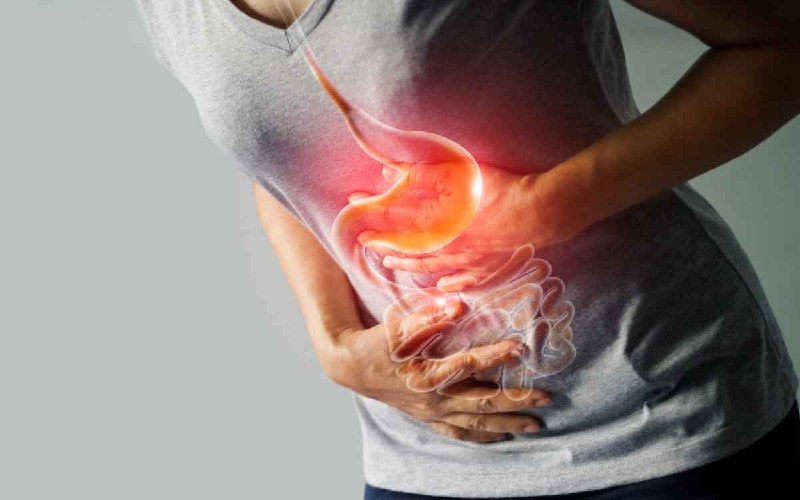
Large festive meals left out for hours can make people sick, and experts say the body usually sends clear signals when something has gone wrong. Preparing food in bulk for celebrations and leaving it on tables for long stretches gives bacteria time to multiply quickly.
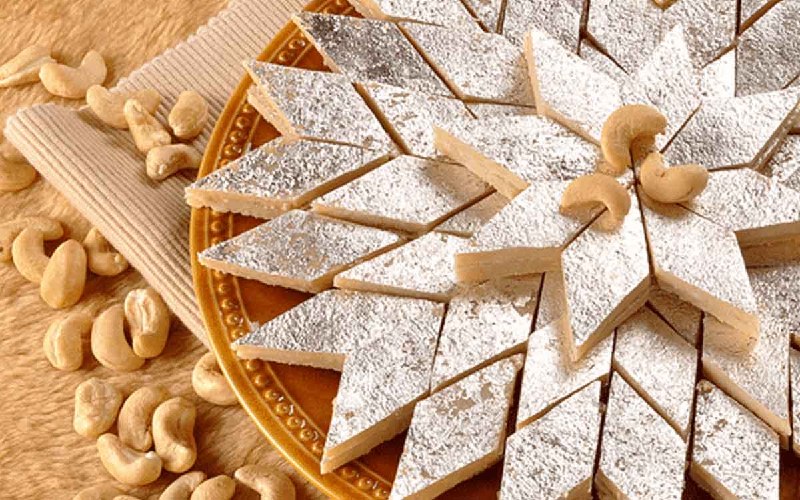
The biggest risks come from familiar festive habits. Cooking rice and dal the day before, leaving paneer curries out too long, storing milk-based sweets carelessly and keeping cooked dishes on dining tables for hours all allow bacteria to grow rapidly. The result is often vomiting, loose motions and stomach pain.
What the symptoms tell you
Timing matters. If vomiting and stomach pain start within one to six hours of eating, the cause may be toxins that were already present in the food before it was eaten. If symptoms appear between eight and 72 hours later, bacteria such as Salmonella, Shigella, Campylobacter and E. coli may be responsible.
In most cases, these symptoms ease within one or two days. The problem is that some signs are not normal, and waiting them out can be risky.
Danger signs that need a doctor the same day
Blood in the stool, stool that looks black and tar-like, and loose motions accompanied by a fever above 38.5 degrees Celsius are all red flags. Anyone with these symptoms should get a stool test and seek medical advice promptly. Doctors also warn against taking anti-diarrhea medicines without a prescription, because they can make the situation worse in some cases.
Medical checks are also needed if vomiting lasts more than 24 hours, if loose motions continue beyond three days, or if fever rises on the second day.
Dehydration is the main threat
The most serious risk in food poisoning is not the infection itself but the loss of water and salts from the body. Several signs point to dehydration. Urine turns dark, urination drops to fewer than three times a day, the tongue feels dry, and standing up brings on dizziness. A racing heartbeat and sunken eyes are also warning signs.
Oral rehydration solution, or ORS, can replace lost fluids and salts. Taking small sips after every loose motion helps. If vomiting is so persistent that ORS does not stay down for six hours, the patient may need saline drips at a hospital.
Children and adults above 65 are especially vulnerable. Their ability to sense thirst is weaker, so they can become dehydrated without realizing it. Families should keep a closer watch on them.
When the symptoms become an emergency
Some rare symptoms call for immediate hospital care. Double vision, drooping eyelids, slurred speech, difficulty swallowing and weakness in the arms and legs can be caused by certain toxins found in contaminated food. Numbness around the mouth is also a reason to go to a hospital without delay.
Stomach pain from food poisoning usually comes and goes. Pain that does not stop, especially in the lower right abdomen, or a belly that feels hard to the touch, can point to other serious conditions.
In children, bloody diarrhea followed by reduced urination, facial swelling and a pale appearance can signal kidney trouble. Parents should treat these signs as urgent.
People with certain conditions need extra caution
For people with diabetes, fluid loss can push blood sugar levels up to dangerous levels. Those who use insulin or other medicines should not change their doses without medical advice. Pregnant women, children and people with kidney or liver problems should contact a doctor early, even if their symptoms seem mild.
How to prevent food poisoning at home
Safe handling makes the biggest difference. Cooked food should be served hot whenever possible. It should go into the refrigerator within two hours of cooking. In hot weather, the window shrinks to one hour.
Cooked rice should be spread in shallow containers so it cools quickly, and it should be fully reheated only once before eating. Milk-based sweets and cream dishes must be kept chilled. When buying sweets from unfamiliar shops, check their smell, color and overall quality before eating.
Simple habits also help. Using separate serving spoons for each dish and washing hands before serving food can significantly reduce the spread of bacteria at gatherings.
Experts stress that good food hygiene, along with recognizing danger signs and getting medical help in time, is essential so that festive celebrations do not end in illness.
Festive dinners are meant to be enjoyable. Most cases of food poisoning clear up on their own, but the signs that point to something more serious should never be dismissed. Knowing when to act could make the difference between a bad night and a hospital emergency.
TL;DR
- Large festive meals left out for hours can allow bacteria to multiply quickly and cause food poisoning.
- Vomiting and stomach pain within one to six hours may point to toxins already present in the food.
- Blood in stool, black tarry stool, or fever above 38.5 degrees Celsius need a doctor the same day.
- Dehydration is the biggest danger, so sip ORS after every loose motion and watch for dizziness.
- Double vision, slurred speech or difficulty swallowing require immediate hospital care.
- Refrigerate cooked food within two hours, or within one hour in hot weather.