
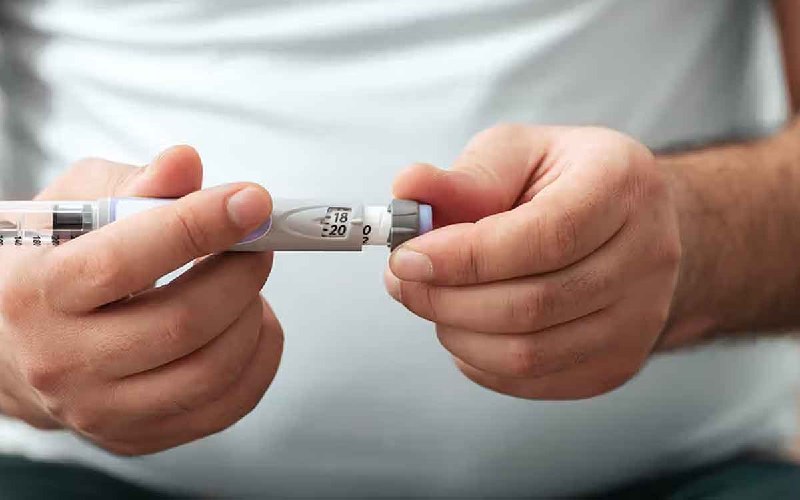
Weight-loss drugs that have transformed obesity treatment may be costing some users more than fat. Health experts warn that GLP-1 medicines can reduce muscle mass along with body fat, and in some people the loss shows up as weaker muscle shape and reduced strength. The findings were reported on November 6, 2026.
GLP-1 drugs, including semaglutide and tirzepatide, work by reducing appetite and making people feel full for longer. That helps them eat less and lose weight. But experts stress that weight loss alone is not a reliable measure of a healthy body. When the scale drops, the question is what is being lost.
Weight loss alone is not a measure of a healthy body.
The concern is straightforward. Along with fat, muscle can shrink, and that can change how a person looks and how strong they feel. Doctors are advising patients on these medicines to focus not only on losing fat but also on protecting muscle while they lose weight.
Why protein matters so much
Protein plays a central role in keeping muscles intact. It is needed for muscle repair and maintenance. The problem is that lower appetite can make it harder for some users to eat enough food, and that can leave muscles without the building material they need.
Nutrition experts commonly suggest that some adults in a weight-loss phase need between 1.2 and 1.6 grams of protein per kilogram of body weight each day. The report makes one thing clear, though: this is not a universal rule. People with kidney problems should seek medical advice before changing their protein intake.
Protein can come from many everyday foods, including eggs, fish, chicken, milk, curd, paneer, lentils, chickpeas, and soy. If food alone does not provide enough protein, doctors recommend protein supplements, but only under medical guidance. Patients should not start them on their own.
For people with a small appetite, the advice is to eat smaller meals that are dense in nutrients rather than skipping meals altogether.
Strength training is not optional
Exercise is the other half of the protection plan. According to the report, people should do muscle-strengthening exercises such as squats, push-ups, and weight training two or three days a week. Weights and intensity should be increased gradually, not all at once.
General health guidelines also call for at least 150 minutes of moderate physical activity every week. Walking, cycling, and swimming are cited as options that support heart health and physical stamina. Sleep matters too, with 7 to 9 hours a night recommended.
Experts also warn against cutting food too hard in the name of fast results. Eating too little can leave the body short of protein, vitamins, and minerals, which leads to weakness. A balanced diet with vegetables, fruits, whole grains, healthy fats, and protein is the recommended approach.
The side effects users should not ignore
The medicines can cause nausea, vomiting, diarrhea, or constipation. When these symptoms reduce how much food and water a person takes in, the report says they should consult a doctor.
Some symptoms call for faster action. Severe stomach pain, or a situation where a person cannot even keep water down, requires immediate medical help.
Why the scale is not enough
A weighing machine cannot show whether fat or muscle is changing. Experts advise tracking other signs, including progress in exercise strength, waist measurement, the ability to handle daily tasks, and energy levels. If needed, doctors may order tests that assess body composition.
The report also says patients should never change the dose of a GLP-1 medicine, or stop it, without consulting a doctor. A person who is eating much less than usual, or who notices a significant loss of muscle strength, should contact a doctor promptly.
The overall message from specialists is that rapid weight loss should not be the only goal. Experts recommend steady weight loss that also preserves muscle strength, physical capacity, and overall health. For anyone taking these drugs, the number on the scale is only part of the picture.
TL;DR
- GLP-1 weight-loss drugs such as semaglutide and tirzepatide reduce appetite, but experts warn they can also cause muscle loss alongside fat loss.
- Muscle loss can show up as reduced muscle shape and strength, which is why doctors urge patients to protect muscle while losing weight.
- Nutrition experts cite 1.2 to 1.6 grams of protein per kilogram of body weight daily for some adults, but people with kidney problems must consult doctors first.
- Strength training two to three days a week, plus 150 minutes of moderate activity weekly, is recommended alongside a balanced diet.
- Severe stomach pain or inability to keep water down requires immediate medical attention, experts say.
- Patients should never change or stop GLP-1 doses, or start protein supplements, without medical advice.