Mosquitoes are not choosing you because your blood tastes sweet. That old family joke has no scientific basis, according to a detailed explainer from TV9 Telugu. The real answer lies in how mosquitoes sense people, and it comes down to a handful of measurable body traits.
Friends sitting together on the same bench, or family members sleeping side by side, often notice the same thing. One person gets bitten again and again while the others stay untouched. The explainer breaks down why that happens.
Only female mosquitoes bite
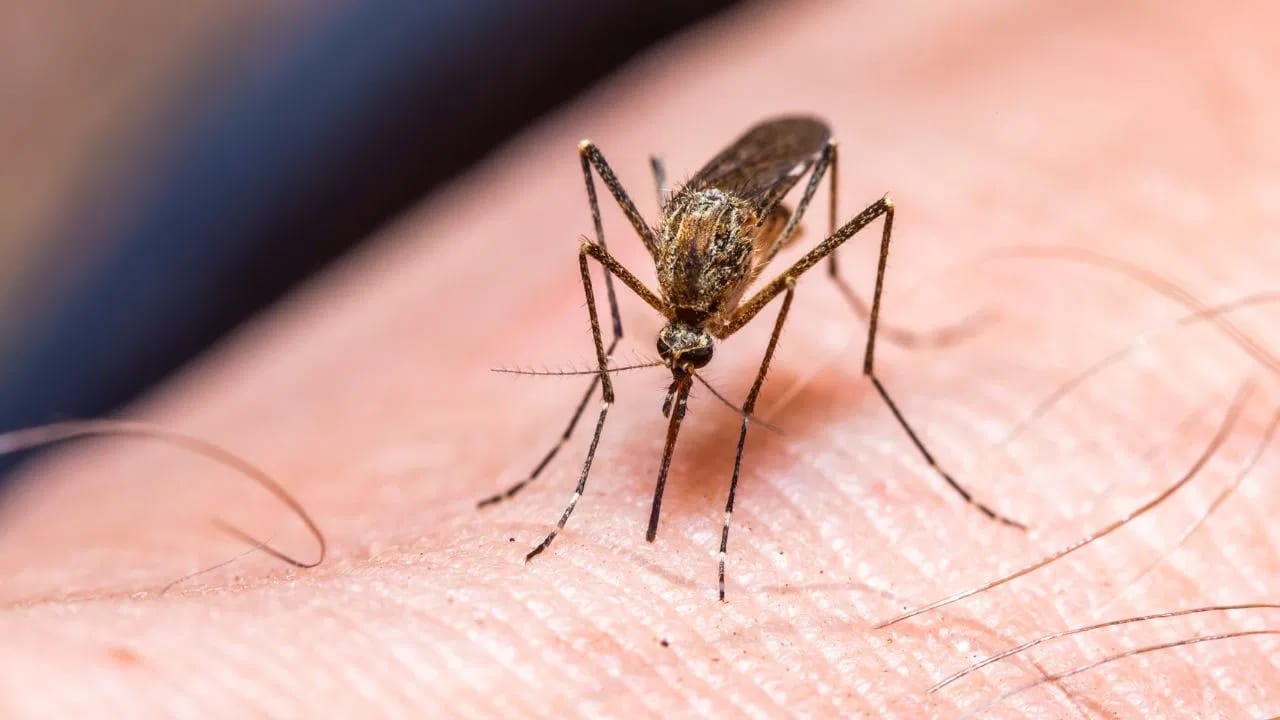
Male mosquitoes survive on flower nectar and plant sap. Only females draw blood. They do not do it to satisfy their own hunger. Human blood supplies the protein and iron that a female needs to develop her eggs, and that reproductive drive is what sends her hunting.
This matters because it changes the whole question. A mosquito is not looking for a sugary snack. It is looking for the nutrients that help it reproduce, and it uses specific signals to find the people carrying them.
Four scientific reasons you get picked
The explainer identifies four main factors that help a mosquito choose one person from a group. Smell does most of the work. Mosquitoes rely on scent far more than eyesight, and they use it like a radar to home in on a target.
Carbon dioxide you breathe out
Every breath releases carbon dioxide, and mosquitoes can detect it from roughly 30 to 50 meters away. People who are heavier, who exercise, or who are pregnant tend to breathe more heavily. That means they release more carbon dioxide, and mosquitoes can find them more easily.
Body heat and sweat chemicals
Mosquitoes are naturally drawn to people with a higher body temperature. Sweating adds another layer. Lactic acid, uric acid and ammonia odors appear on the skin during sweating, and these pull mosquitoes in like a magnet. People with a faster metabolism also tend to attract them quickly.
Bacteria living on your skin
Every person carries millions of natural bacteria on the skin. When those bacteria interact with skin oils and sweat, they release a distinct chemical smell. For some people, that faint scent works like a hidden perfume that mosquitoes can follow across a room.
The point here is that no two people smell exactly the same. Your skin’s microbial mix plays a part in how visible you are to a mosquito.
Blood group O
Several scientific studies suggest blood type also influences bites. Compared with people who have A, B or AB blood, people with blood group O are bitten at nearly double the rate, according to the research cited. The chemicals released through the skin can signal a person’s blood group, and mosquitoes can pick up on that within seconds.
Why the bite itches and swells
A mosquito pierces the skin with a needle-like mouthpart to reach blood. As it feeds, it injects saliva that keeps the blood from clotting. Your immune system reads the proteins in that saliva as a threat.
In response, the body releases histamine right away. Histamine widens the blood vessels in the area, which causes redness, swelling and intense itching. That reaction is the body’s defense, and it is also why a single bite can feel far worse than it looks.
Why the itch is not the biggest problem
A bite is more than a nuisance. Mosquitoes can carry and pass on diseases from one person to another. The explainer names dengue, malaria, chikungunya and Japanese encephalitis as serious illnesses linked to these bites.
Mosquito activity tends to rise during the rainy and winter seasons, according to the explainer. That makes awareness and early protection especially important during those periods.
The sweet blood theory has no truth at all. When you get bitten in a group, it simply means your body heat and sweat odor have clearly been picked up by the mosquito’s sensors.
Simple steps to cut your risk
The explainer recommends a few practical steps. Wear light-colored, loose clothing that covers the body, especially when you go outside in the evening. Sleep under mosquito nets, which are the preferred protection at night.
If you need extra protection, repellents containing DEET can help. Lotions based on neem or eucalyptus oil are another option mentioned in the explainer. Apply them to exposed skin as needed.
Your home matters just as much as your clothes. Mosquitoes lay their eggs in standing water, so stagnant water in flower pots, old tyres and coolers gives them a place to breed. Emptying and cleaning these containers cuts down the local mosquito population.
The bottom line is simple. When mosquitoes seem to pick you out of a crowd, it is not because your blood is sweet. Your breath, your body heat, your sweat and your skin chemistry are sending signals that mosquitoes are built to detect.
TL;DR
- Only female mosquitoes bite, and they need human blood to develop their eggs.
- Mosquitoes can smell carbon dioxide from 30 to 50 meters away, making heavier or pregnant people easier to find.
- Body heat, sweat chemicals and skin bacteria all help mosquitoes choose their target.
- People with blood group O are reportedly bitten at nearly double the rate of those with A, B or AB.
- The sweet blood theory has no scientific basis, the explainer says.
- Mosquito nets, light clothing and clearing standing water are key ways to reduce bites.