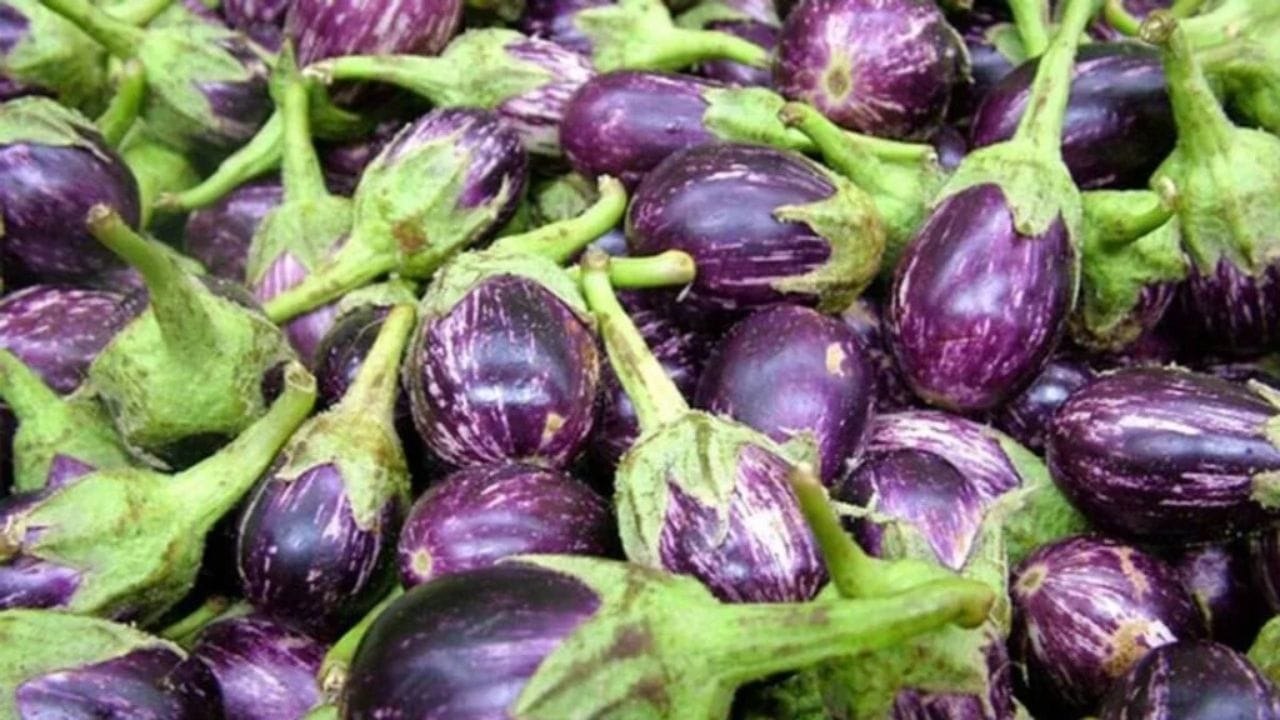
Medical experts say brinjal, known in English as eggplant, is low in calories and carbohydrates, and people with diabetes can include it in their diet. The advice comes with conditions, though, and the benefits are narrower than many home cooks assume.
The question has picked up steam in recent days, and it is easy to see why. Brinjal sits at the center of South Indian cooking. Festivals and family functions across the region rarely go by without a brinjal curry on the table, and many people eat it several times a week. So when talk started about whether diabetics should avoid it, many families were left wondering whether a staple they grew up with had suddenly become a risk.
Can people with diabetes eat brinjal?
Yes, according to the medical experts cited in the report, brinjal can be eaten by people with diabetes. The vegetable is low in calories and carbohydrates, which is the main reason it is considered suitable for a diabetic diet. But suitable does not mean unlimited, and it does not mean a person can skip their treatment plan.
The key point is that brinjal is a supporting food, not a treatment. Nothing in the report suggests it can replace prescribed medicine or lower blood sugar on its own.
Fiber is the main reason it helps
Brinjal is rich in fiber, along with minerals such as potassium and magnesium. Fiber slows down digestion and slows the absorption of carbohydrates. That matters because a food that releases sugar slowly is less likely to push blood sugar levels up all at once.
This is the core mechanism behind the claim. It is not magic. It is the same basic principle that doctors often mention when they talk about high-fiber vegetables, whole grains and legumes in a diabetic diet. Brinjal fits into that category, and that is why it keeps appearing on lists of recommended foods.
Antioxidants in the skin and pulp
The skin and the pulp of brinjal contain plant-based compounds, including delphinidin and chlorogenic acid. These compounds carry antioxidant properties that are good for the body. Many people throw away the skin or peel the vegetable before cooking, and that choice removes part of the benefit.
Antioxidants matter in diabetes because high blood sugar increases oxidative stress in cells. That is the damage the body experiences when harmful molecules outnumber the protective ones. The report notes that this link is well established as a general concern, which is why antioxidant-rich foods get so much attention.
What lab and animal studies show
Laboratory research has found that some compounds in brinjal can slow down the enzymes that convert starch into sugar. That sounds promising, and it is one reason the vegetable draws interest from researchers. But a lab finding is only the first step. It does not tell you what happens inside a human body after a plate of brinjal curry.
Animal studies have also found that the antioxidants in brinjal helped reduce the oxidative stress linked to high blood sugar. Again, that is encouraging, but animal results do not automatically carry over to people. The report is clear on this point: the full effect on humans has not yet been proven.
Heart health and weight claims need more human data
Some animal studies suggest that compounds in brinjal may help keep blood pressure and body weight under control. For people with diabetes, both of these areas matter a great deal, because diabetes and heart health are closely connected.
The human evidence is thinner, however. Research on people has been limited, and the effect of brinjal on cholesterol is still not clear. So if you have read that brinjal lowers cholesterol or protects the heart, the honest answer is that scientists have not confirmed it in people yet.
This is where many online health claims go wrong. A promising result in a lab dish or a mouse study can turn into a confident headline within days. Readers should treat these findings as a reason for further research, not as a guarantee for their own health.
How to cook brinjal without undoing its benefits
The way brinjal is cooked matters as much as whether it is eaten. Experts recommend grilling, roasting or baking it, ideally with the skin on. These methods keep the vegetable light and let you control how much oil goes into the dish.
Deep frying is the one to avoid. Brinjal soaks up oil quickly, so a fried version can carry far more fat than a roasted or grilled one. Cooking with less oil is always the better choice, according to the guidance in the report.
For a South Indian kitchen, that might mean roasting brinjal over flame or in an oven and then mashing it into a dish, instead of shallow frying slices in a heavy pan. Small changes like this can make a daily vegetable work harder for your health.
Brinjal is not a cure, and doctors still come first
The most important message in the report is also the simplest. Brinjal does not completely cure diabetes. Anyone managing the condition should first follow the medicines prescribed by their doctor, and then speak with a doctor before deciding whether and how often to add brinjal to their daily meals.
Brinjal cannot completely cure diabetes, so a patient should follow prescribed medicines first and consult a doctor before making it a regular part of the diet.
That advice matters because diet changes can interact with treatment. A food that is healthy for one person may need a different portion or approach for another, depending on their medicines, their overall health and their blood sugar pattern. A doctor can help make that call.
So the answer to the question making the rounds is a careful yes. Brinjal is low in calories and carbohydrates, its fiber helps slow sugar absorption, and its antioxidants show promise in early research. But it is one food in a larger plan, not a shortcut around treatment, and the best next step is a conversation with the doctor who knows your case.
TL;DR
- Medical experts say brinjal is low in calories and carbohydrates and can be part of a diabetic diet.
- Fiber in brinjal slows carbohydrate absorption, which helps prevent sudden blood sugar spikes.
- Lab studies show some brinjal compounds slow enzymes that turn starch into sugar, but human effects are not yet proven.
- Animal studies link its antioxidants to reduced oxidative stress, though human research on cholesterol remains limited.
- Experts recommend grilling, roasting or baking brinjal with its skin and avoiding deep frying.
- Brinjal does not cure diabetes, so patients should follow prescribed medicines and consult a doctor first.