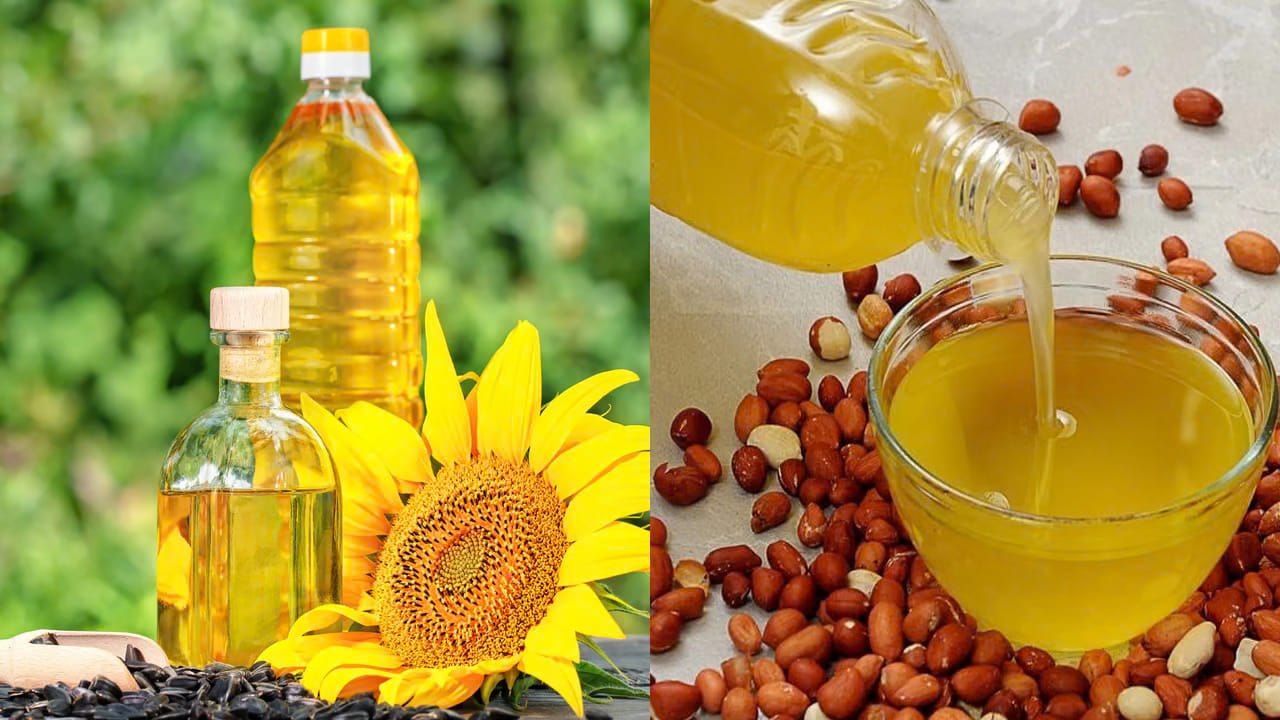
Groundnut oil is the stronger choice for deep frying and high-heat Indian cooking, while sunflower oil is better suited to light tempering, baking and quick dishes that need less oil. That is the core verdict from a side-by-side look at the two cooking oils that now sit on most Indian kitchen shelves.
The debate has picked up as heart health moves higher on household priorities. For decades, groundnut oil has been the everyday cooking fat in Telugu homes and traditional recipes. Sunflower oil, marketed as a light oil, has taken over a large share of the market in recent years. Many families are now unsure which one actually does their heart more good.
What the fat profiles show
Groundnut oil is rich in monounsaturated fatty acids. These fats help lower harmful LDL cholesterol while keeping good HDL cholesterol steady.
Sunflower oil, on the other hand, is high in polyunsaturated fatty acids. It also carries a large amount of vitamin E, which supports skin health and immunity.
Groundnut oil brings its own protection to the table. It contains resveratrol and other powerful antioxidants that help keep the walls of blood vessels from getting damaged. That gives it a clear edge in the heart-health argument, even though sunflower oil wins on vitamin E.
The omega-6 problem most people miss
The biggest difference lies in the omega balance. Sunflower oil contains very high levels of omega-6 fatty acids. Studies cited in the source material link a diet where omega-6 far outweighs omega-3 to chronic inflammation and joint pain over time.
Groundnut oil keeps omega-6 and omega-9 in a more balanced range. That balance supports the body’s metabolic processes more steadily, which is why many nutrition-minded households still prefer it for regular cooking.
Traditional cold-pressed groundnut oil, known as gaanuga oil in Telugu, is also described as giving the body a more natural source of energy than heavily refined oils.
Why smoke point decides the frying pan
For Indian cooking, smoke point matters as much as nutrition. Frying, tempering and long simmering all push oil to high temperatures. Groundnut oil has a high smoke point, so it stays stable and does not break down into harmful compounds during deep frying.
Sunflower oil is light and cuts down on greasiness in the finished dish. The catch is that it oxidises quickly over high flame. Repeated deep frying in sunflower oil is not a good fit. It works best for regular tempering and baking.
What it means for Telugu kitchens
For families in Andhra Pradesh and Telangana, the findings line up with how the oils have long been used at home. Groundnut oil has anchored traditional curries, pickles and fried snacks across generations. Sunflower oil has become a convenient swap for everyday light cooking. Households that keep both on hand can use each one where it performs best, rather than treating one as a universal replacement for the other.
The shift also matters for families who fry often. Snacks, puris and festival dishes put oils under heavy heat. Choosing the right oil for those tasks is where the health difference is most noticeable in practice.
The verdict from the nutrition side
Neither oil is complete on its own. That is the central conclusion. Groundnut oil fits high-heat Indian frying and traditional sabzis best. Sunflower oil fits quick, low-oil cooking and baking.
Nutrition experts advise against depending on a single oil. Switching by cooking style, or rotating oils every month, gives the body a more balanced spread of fatty acids. That approach does more for heart health than picking one bottle and sticking with it forever.
No single cooking oil is complete. The healthiest kitchen is the one that matches the oil to the cooking method and changes it from time to time.
For most households, the practical takeaway is simple. Keep groundnut oil for deep frying and traditional dishes. Use sunflower oil for light sauteing and baking. Rotate the two, and keep an eye on how much oil goes into each meal. The bottle matters less than how often it is used and how much ends up on the plate.
TL;DR
- Groundnut oil is the better pick for deep frying and high-heat Indian cooking because of its high smoke point.
- Sunflower oil is lighter and suits tempering, baking and quick, low-oil dishes.
- Groundnut oil is rich in monounsaturated fats and contains resveratrol, which helps protect blood vessels.
- Sunflower oil is high in vitamin E but contains very high levels of omega-6 fatty acids.
- Experts say a diet with too much omega-6 relative to omega-3 can raise the risk of chronic inflammation.
- Nutrition experts advise rotating cooking oils based on the cooking method, or switching every month.