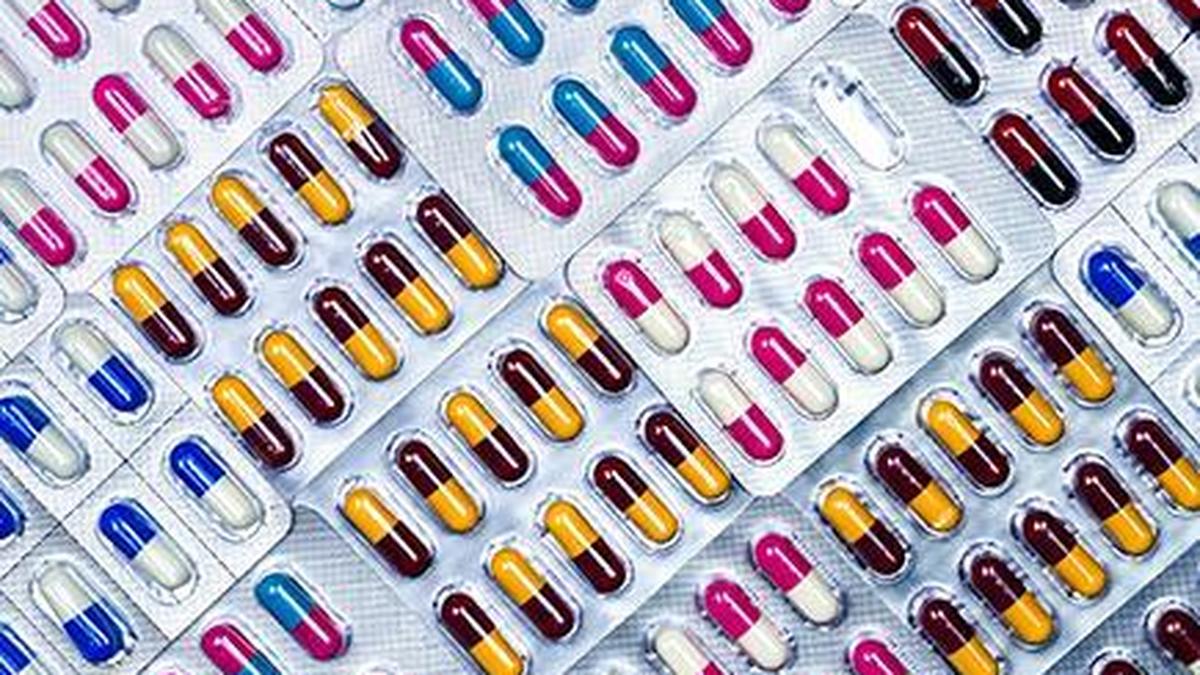
Misuse and overuse of antimicrobials could make even common infections increasingly difficult to treat, a senior health ministry official said on Wednesday.
Union Health Secretary Punya Salila Srivastava made the warning while addressing the national observance of World Antimicrobial Resistance Awareness Week 2026 virtually. She called antimicrobial resistance (AMR) one of the most serious public health challenges and urged a coordinated "One Health" approach to tackle it. This year’s theme is "One Health, One Action: Prevent AMR Now."
Medicines are losing their power
Srivastava said medicines that have saved countless lives are gradually losing their effectiveness because of misuse and overuse. She pointed to the link between human and animal health, plant and food systems and the environment, saying improper use across these sectors helps resistance emerge and spread.
The government has placed high priority on containing AMR under the National Action Plan on Antimicrobial Resistance 2.0 (NAP AMR 2.0), covering 2025-2029. A health ministry programme coordinated by the National Centre for Disease Control (NCDC) focuses on lab capacity for AMR surveillance, infection prevention, antimicrobial stewardship and awareness.
What doctors, pharmacists and patients were told to do
Srivastava urged healthcare professionals to prescribe antibiotics only when clinically indicated and in line with treatment guidelines. She asked pharmacists to dispense only against valid prescriptions and to counsel patients on correct use.
She also advised people against self-medication, sharing antibiotics or using leftover medicines. Antibiotics do not work against viral infections such as the common cold and influenza, she said.
Why the numbers worry officials
Participants at the event noted that more than half of antimicrobial sales in India take place without prescriptions. Nearly half of outpatient antibiotic prescriptions were described as inappropriate.
They called for larger public awareness campaigns, an end to self-prescription, proper disposal of antibiotics and expired medicines, and legal warnings displayed at drug shops against selling antimicrobials without prescriptions. They also wanted action against substandard and spurious medicines, appropriate antibiotic use in veterinary medicine for food-producing animals, and quality standards in healthcare facilities to prevent infections.
The event was attended by officials from the National Health Systems Resource Centre, the Central Drugs Standard Control Organisation, the Department of Animal Husbandry, the Indian Medical Association, the All India Association of Druggists and Chemists, and states and Union territories.
Key Facts
More than half of antimicrobial sales in India happen without prescriptions.Nearly half of outpatient antibiotic prescriptions are inappropriate, according to event participants.The National Action Plan on AMR 2.0 covers 2025-2029.World AMR Awareness Week runs from November 18 to 24 every year.Do antibiotics work against colds and flu?
No. Srivastava said antibiotics are not effective against viral infections such as the common cold and influenza.
TL;DR
- Union Health Secretary Punya Salila Srivastava warned that antimicrobial misuse could make common infections harder to treat.
- More than half of antimicrobial sales in India happen without prescriptions.
- Nearly half of outpatient antibiotic prescriptions are inappropriate, participants said.
- Antibiotics do not work against viral infections like colds and influenza.
- The National Action Plan on AMR 2.0 covers 2025-2029.
- The warning came during World AMR Awareness Week 2026.
Frequently asked questions
Can common infections become harder to treat because of antibiotic overuse?
Union Health Secretary Punya Salila Srivastava said misuse and overuse of antimicrobials could make even common infections increasingly difficult to treat.
Are antibiotics effective against colds and flu?
No. Srivastava said antibiotics are not effective against viral infections such as the common cold and influenza.