A Political Concession Amidst National Outcry
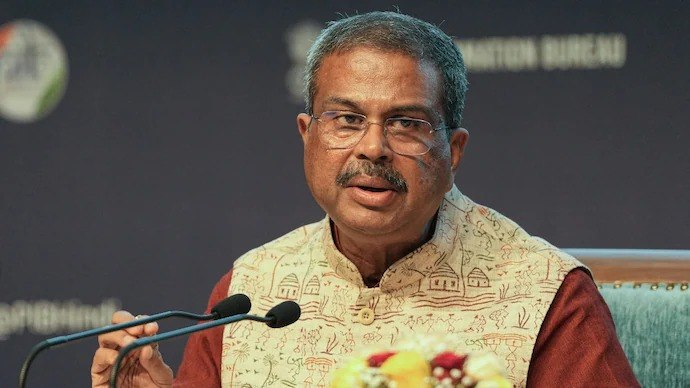
Union Education Minister Dharmendra Pradhan has resigned from his post, taking moral responsibility for the widespread NEET-UG paper leak controversy. This significant development comes after weeks of intense student protests, parliamentary disruptions, and a growing political crisis that had challenged the Narendra Modi government’s resolve. Pradhan’s departure is seen as a strategic move to de-escalate an agitation that had shown no signs of abating, despite numerous government interventions.
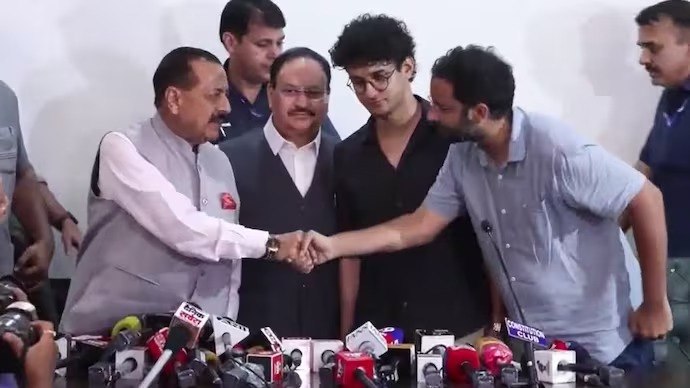
The resignation, a rare political concession in the Modi era, instantly transformed the landscape of the ongoing crisis. For the Cockroach Janta Party (CJP) and other protesting student groups, it represents a clear victory, fulfilling their central demand that had fueled the movement since early June.
The Unyielding Agitation
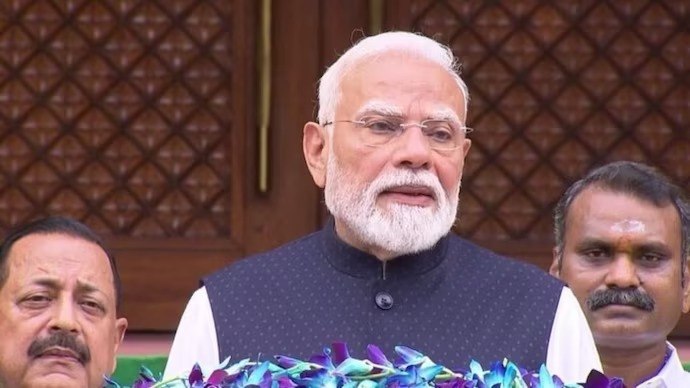
For several weeks, the government deployed various measures to address the NEET-UG crisis, which involved allegations of widespread irregularities in the national medical entrance examination. These included ordering a CBI probe into the leaks, cancelling and reconducting the examination, and promising stricter anti-paper leak laws. Prime Minister Narendra Modi himself reached out to students through social media, urging calm and assuring stringent action against those responsible.
However, these efforts failed to quell the growing discontent. Protests, initially concentrated in Delhi, began to spread across the country, bringing parliamentary proceedings to a standstill. The core demand from protest leaders, reiterated in multiple rounds of talks with government negotiators, remained unwavering: the resignation of Education Minister Dharmendra Pradhan.
A Movement’s Evolution
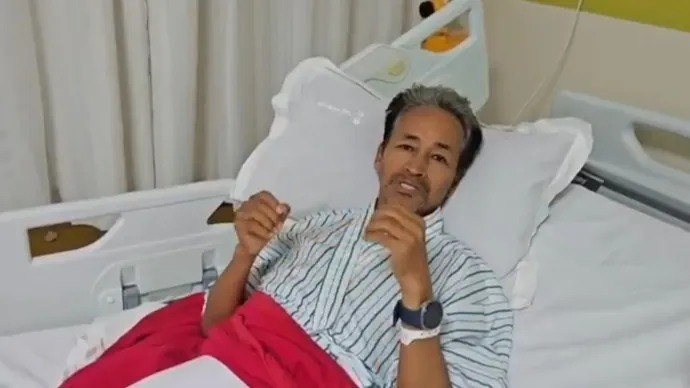
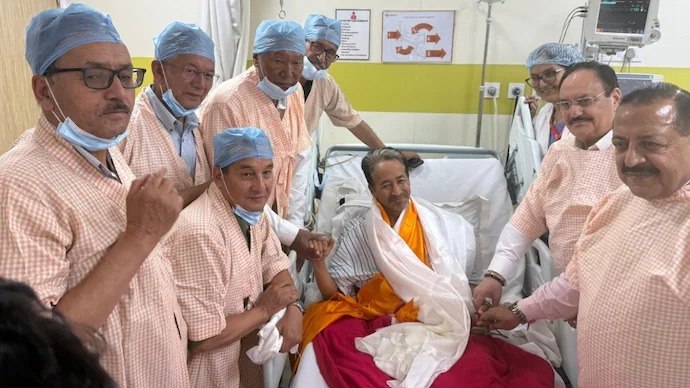
The agitation, spearheaded by the Cockroach Janta Party (CJP), began as a focused campaign against the alleged NEET-UG paper leak. It gained significant national visibility following activist Sonam Wangchuk’s indefinite fast, which drew widespread attention to the students’ grievances. Even after Wangchuk concluded his fast due to health concerns, the movement maintained its momentum, evolving into a broader expression of public anger over accountability.
A pivotal moment arrived with the police crackdown on protesters marching towards Parliament on July 20. Images of students being lathi-charged and detained circulated rapidly online, sparking an outpouring of public sympathy and drawing thousands more participants to the protest epicentre at Jantar Mantar in Delhi. This incident further solidified the movement’s resolve and broadened its appeal beyond just examination-related concerns.
Nationwide Resonance
The protests quickly transcended Delhi’s borders, with demonstrations erupting in major cities across India. Hyderabad, Mumbai, Kolkata, Lucknow, Bhopal, Jodhpur, Buldhana, and Katihar were among the many urban centers witnessing student-led agitations. Students, various political parties, and civil society groups joined the movement, while prominent public figures lent their support, amplifying the call for accountability.
The agitation gained traction both on the streets and across social media platforms, developing a life of its own. CJP founder Abhijeet Dipke had publicly warned that Pradhan’s resignation was "in the government’s best interest," suggesting that failure to act would escalate demands to target the Prime Minister himself and spread protests even wider across the nation.
Parliamentary Gridlock
The escalating crisis had a profound impact on the functioning of Parliament. Proceedings were repeatedly stalled as the Opposition firmly insisted that no meaningful discussion could occur until Pradhan resigned. This legislative logjam presented the government with the prospect of an entire Parliament session being consumed by the controversy, significantly raising the political cost of retaining the Education Minister.
Normal life in central Delhi was also increasingly disrupted, with metro stations frequently shut down as a precautionary measure. The sustained pressure from both the streets and the legislative chambers underscored the government’s narrowing options, making Pradhan’s resignation appear as the only viable off-ramp from the deepening political quagmire.
The Strategic Concession
Political observers have described Pradhan’s resignation as an extraordinary moment, noting that ministers in the Modi government rarely depart under sustained political pressure. Senior journalist Rajdeep Sardesai highlighted the rarity of such an exit in Narendra Modi’s two decades as Chief Minister and Prime Minister. The government’s earlier attempts to shield Pradhan through administrative changes, promises of reform, and new legislative announcements had failed to pacify the public.
The government has carefully framed Pradhan’s departure as a voluntary act, emphasizing that he took "moral responsibility" rather than being dismissed. His resignation letter reportedly stressed that the decision was not about "personal prestige" but about protecting students and preventing "anti-national forces" from exploiting the protests. This framing allows the ruling party to argue that Pradhan acted in the national interest, while preserving the government’s long-held position of not yielding to Opposition demands.
Editorial Context
Dharmendra Pradhan’s resignation marks a significant moment in Indian politics, underscoring the growing power of sustained public agitation and the demand for accountability from high-ranking officials. This event could set a precedent for how future governments respond to large-scale public discontent, particularly concerning issues of national importance like education and public examinations. It highlights the increasing difficulty for administrations to insulate themselves from public pressure, even when initially adopting an uncompromising stance.
The episode also demonstrates the evolving nature of student activism in India, showcasing its capacity to mobilize across diverse geographies and maintain focus on a singular demand. For the government, while the immediate crisis may have been diffused, the long-term implications involve a renewed focus on strengthening public examination systems and ensuring transparency. This development will likely influence future legislative strategies and the dynamics between the ruling party and the Opposition, potentially opening avenues for legislative progress on anti-paper leak laws, now that the primary point of contention has been addressed.
TL;DR
- Dharmendra Pradhan resigned as Union Education Minister, taking moral responsibility for the NEET-UG paper leak controversy.
- The resignation followed weeks of intense, nationwide student protests led by the Cockroach Janta Party (CJP) demanding his exit.
- Government interventions, including a CBI probe, re-examination, and new anti-leak laws, failed to quell the agitation.
- A police crackdown on July 20 on protesters marching towards Parliament escalated public anger and broadened the movement’s support.
- The crisis led to significant parliamentary disruptions, raising the political cost for the Modi government to retain the minister.
- Pradhan’s departure is viewed as a rare political concession by the Modi administration, aimed at breaking the impasse and regaining political initiative.