
The Legislative Shift for Kerala
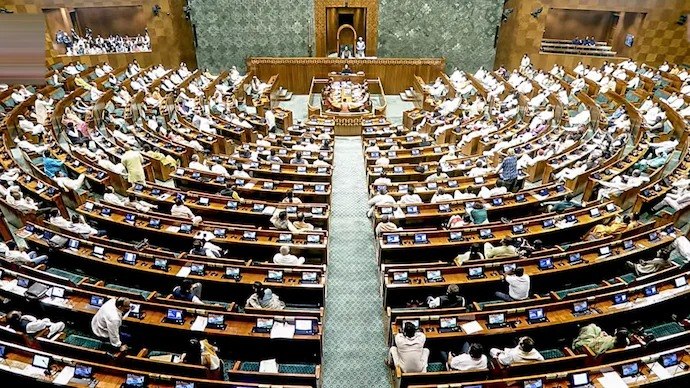
The Lok Sabha recently passed the Kerala (Alteration of Name) Bill, 2026, a significant legislative move aimed at officially renaming the southern Indian state of Kerala to ‘Keralam’. This decision, alongside the passage of the National Co-operative Development Corporation (Amendment) Bill, 2026, occurred amidst a tumultuous Monsoon Session, characterized by persistent Opposition protests and a near-complete lack of parliamentary debate.
The legislative approvals underscore a deepening parliamentary gridlock, as crucial bills are cleared without the customary scrutiny, raising questions about the health of democratic discourse in the nation’s highest legislative body.
A Name Rooted in Identity
The renaming of Kerala to Keralam is more than a mere administrative change; it is a profound affirmation of linguistic and cultural identity. The term ‘Keralam’ is deeply rooted in Malayalam, the official language of the state, and reflects the historical and indigenous nomenclature for the region.
Minister of State for Home Nityanand Rai, who moved the Kerala (Alteration of Name) Bill, 2026, highlighted the state’s long-standing aspiration for this change. The move aligns the state’s official name with its linguistic heritage, a sentiment echoed by various cultural and political organizations within Kerala for decades.
Historically, many Indian states and cities have undergone name changes to shed colonial legacies or to better reflect local linguistic and cultural identities. Examples include Madras becoming Chennai, Bombay becoming Mumbai, Calcutta becoming Kolkata, and Mysore becoming Karnataka. This current legislative action for Kerala follows a similar trajectory, emphasizing regional identity.
Parliamentary Gridlock and Unaddressed Demands
The passage of these bills, however, was overshadowed by an ongoing parliamentary impasse. Opposition members maintained their vociferous protests in the Well of the House, demanding the presence of Home Minister Amit Shah to address concerns regarding student protests and police action that occurred on July 20.
Another non-negotiable demand from the Opposition was a comprehensive discussion on alleged financial irregularities and theft of donations at the Ram temple in Ayodhya. These twin issues have effectively paralyzed the Monsoon Session for over three weeks, preventing meaningful debate on critical legislation.
Despite Speaker Om Birla’s repeated appeals for decorum and cooperation, and the government’s offer for a debate with the Home Minister’s reply, the deadlock persisted. The Opposition insisted on specific answers regarding the orders for pellet firing against student protesters, indicating a deep chasm between the ruling and opposition benches.
A Session in Stasis
The Monsoon Session, nearing its scheduled end, has seen a concerning trend: out of 11 bills cleared by the Lok Sabha so far, only two have undergone proper debate. The remaining legislation, including the Kerala renaming bill, has been passed by voice vote amidst the din of protests, bypassing the rigorous scrutiny expected in a parliamentary democracy.
This situation raises significant questions about legislative accountability and the quality of laws being enacted. The absence of debate means that potential flaws, unintended consequences, or alternative perspectives on crucial bills may not be adequately explored before they become law.
The National Co-operative Development Corporation (Amendment) Bill, 2026, moved by Minister of State for Cooperation Murlidhar Mohol, also sailed through without discussion. This pattern highlights a broader challenge in India’s parliamentary functioning, where political stalemates increasingly impede legislative processes.
Editorial Context
The renaming of Kerala to Keralam, while a significant cultural milestone for the state, carries broader implications for India’s federal structure and linguistic politics. It reinforces the trend of states asserting their unique identities, often through linguistic re-alignment, which can foster regional pride but also occasionally spark debates over national unity versus regional autonomy.
More critically, the manner in which this and other bills were passed – without debate amidst sustained protests – sets a worrying precedent for parliamentary democracy. The primary function of a legislature is to deliberate, scrutinize, and debate laws. When this core function is compromised, it diminishes the democratic process and can lead to less robust legislation.
The ongoing paralysis of parliamentary sessions over political demands, rather than substantive policy discussions, reflects a deeper crisis in political dialogue. It underscores the urgent need for both the government and the opposition to find common ground to ensure that legislative business, which impacts millions of citizens, is conducted with the seriousness and deliberation it deserves. The long-term health of India’s democratic institutions hinges on the ability of its elected representatives to engage in constructive debate, even amidst disagreements.
TL;DR
- The Lok Sabha passed the Kerala (Alteration of Name) Bill, 2026, to officially rename the state as Keralam.
- The bill, along with the National Co-operative Development Corporation (Amendment) Bill, 2026, cleared without any debate.
- Opposition members protested throughout the Monsoon Session, demanding Home Minister Amit Shah’s presence over student unrest and a discussion on alleged Ram temple donation theft.
- This legislative step for Kerala aligns its name with its deep-rooted Malayalam linguistic and cultural heritage.
- The parliamentary deadlock has resulted in 11 bills passing with only two being debated, raising concerns about legislative scrutiny and democratic process.