A New Chapter for India’s Examination System
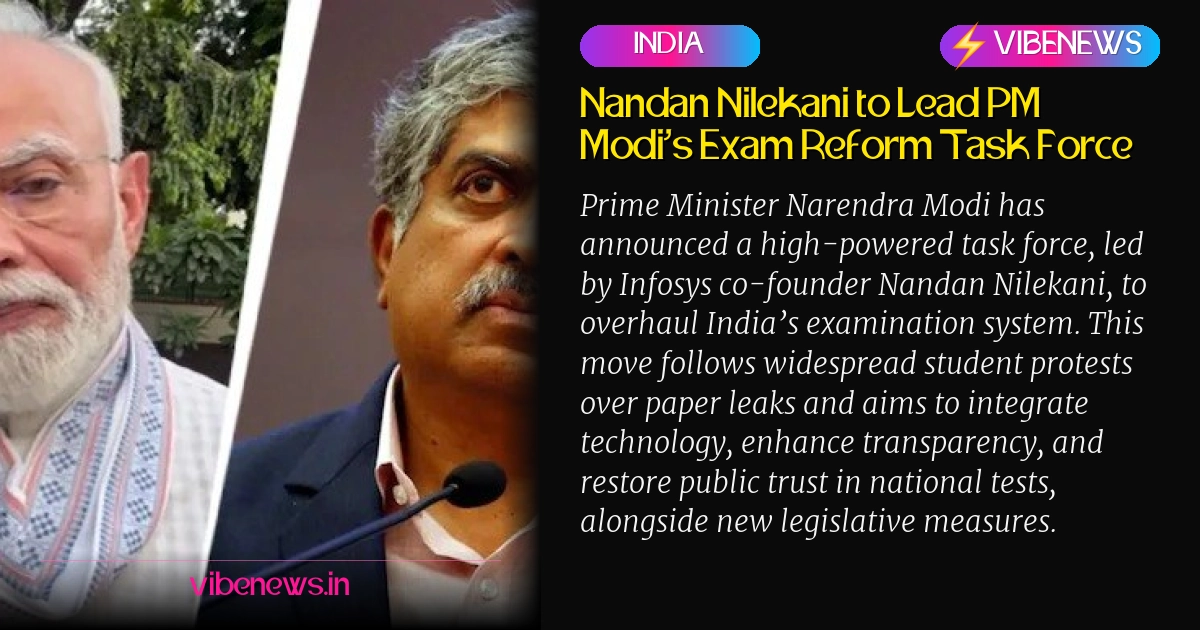
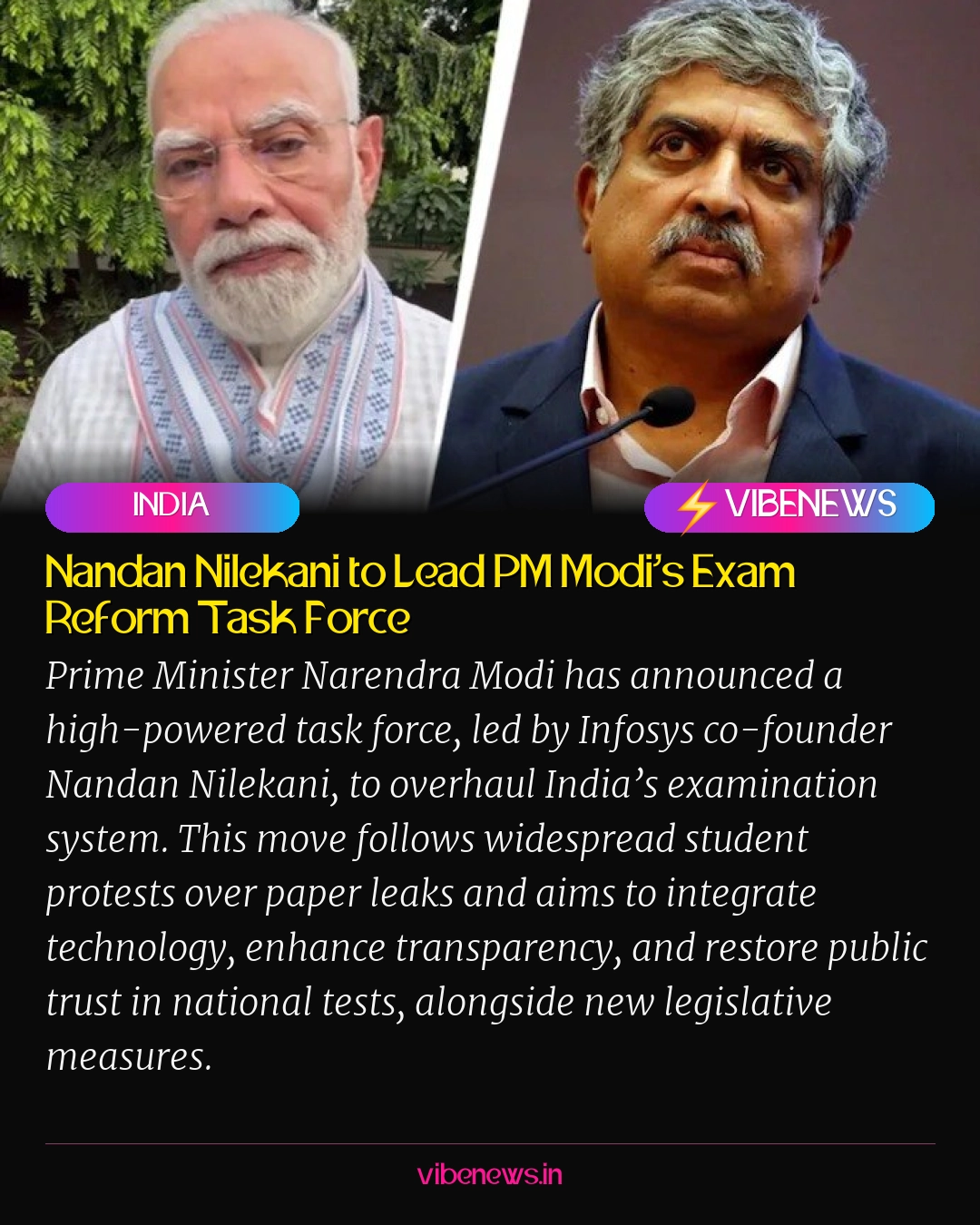
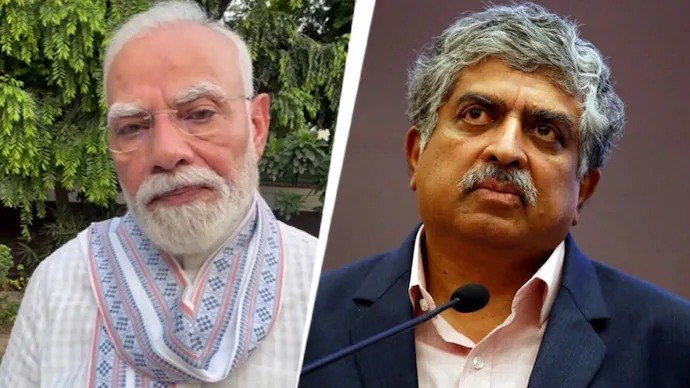
Prime Minister Narendra Modi has announced the formation of a high-powered task force, to be led by Infosys co-founder Nandan Nilekani, aimed at comprehensive reforms within India’s public examination system. This significant development comes amidst a period of intense scrutiny and public discontent following widespread paper leaks and student protests across the nation.
The Prime Minister, in a recent address, emphasized the government’s commitment to safeguarding the future of students and ensuring the integrity of the examination process. He highlighted ongoing efforts, including the establishment of fast-track courts and the introduction of stringent new laws to combat examination-related irregularities.
Addressing Systemic Vulnerabilities
The core mandate of the newly constituted task force is to recommend long-term reforms that will make the examination system more reliable, transparent, and technologically advanced. Its focus will primarily be on the National Testing Agency (NTA) examinations, which have been at the center of recent controversies.
This multidisciplinary group of domain experts is tasked with revamping NTA examinations, particularly from a technological perspective, while also proposing structural reforms to the entire system. The goal is to restore credibility and public confidence in the crucial gateway examinations that determine the academic and professional trajectories of millions of Indian youth.
The Legislative Shift
Parallel to the task force’s formation, the Union government is poised to introduce the Public Examinations (Prevention of Unfair Means) Amendment Bill, 2026, in the Lok Sabha. This legislative initiative seeks to significantly strengthen India’s legal framework against examination malpractices.
The proposed amendments aim to introduce harsher punishments for offenders, ensure time-bound investigations and trials, and facilitate the creation of special fast-track courts for speedy justice. These measures are designed to improve accountability, deter organized examination-related fraud, and ultimately reinforce trust in the country’s public examination system.
A Response to Public Outcry
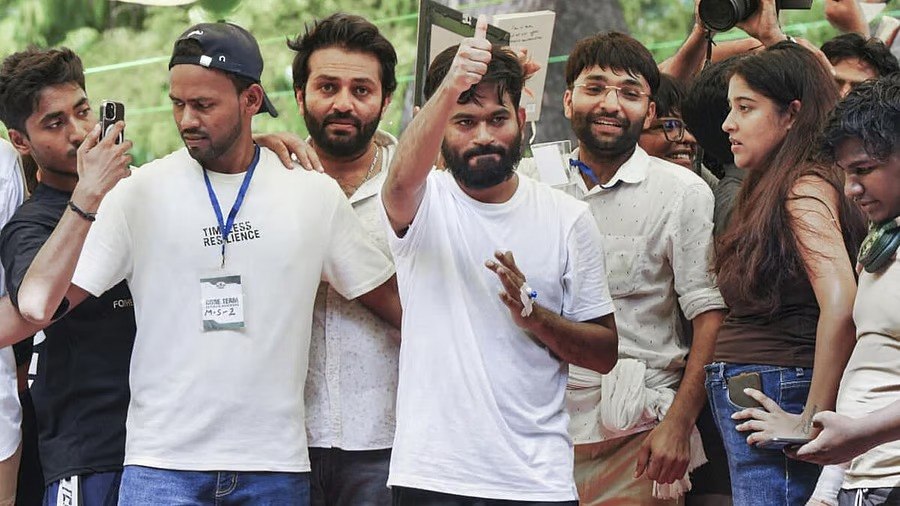
The announcement of the task force and the impending legislation directly follows nearly seven weeks of sustained student and youth protests. These demonstrations, spearheaded by various student organizations and activists, including Wangchuk, began at Jantar Mantar and quickly spread nationwide, highlighting deep-seated frustrations over recurring paper leaks and perceived systemic failures.
The intensity of the protests escalated following police action against demonstrators, drawing broader support and underscoring the urgent need for governmental intervention. The resignation of Union Education Minister Dharmendra Pradhan, just a day prior to the task force’s announcement, further underscored the political and social pressure to address these issues decisively.
Expertise Guiding the Way
The high-powered task force comprises a distinguished panel of experts from diverse fields. Leading the charge is Nandan Nilekani, a technology visionary and co-founder of Infosys, known for his instrumental role in India’s digital transformation initiatives like Aadhaar.
Other prominent members include S. Somnath, former Chairman of the Indian Space Research Organisation (ISRO), bringing invaluable experience in large-scale project management and technological implementation. Tapan Deka, former Director of the Intelligence Bureau (IB), will contribute expertise in security and intelligence, crucial for preventing malpractices.
The panel also includes V. Kamakoti, Director of IIT Madras, offering academic and technical insights; Anita Karwal, former Education Secretary, providing administrative and policy experience; and Amrit Lal Meena, a logistics expert, whose insights will be vital for streamlining examination delivery and security protocols.
Editorial Context
The establishment of the Nandan Nilekani-led task force represents a pivotal moment for India’s education sector and its governance. For decades, the integrity of public examinations has been periodically challenged by incidents of paper leaks, cheating, and organized fraud, undermining the meritocratic principles upon which the nation’s competitive landscape is built. These incidents not only cause immense stress and financial burden for millions of aspiring students and their families but also erode faith in public institutions.
The Prime Minister’s direct intervention, coupled with the formation of a high-caliber task force and the introduction of robust legislative amendments, signals a comprehensive and multi-pronged approach to tackle this deeply entrenched problem. The emphasis on technology, particularly with Nilekani at the helm, suggests a move towards leveraging digital solutions for secure question paper delivery, robust online proctoring, and transparent result processing, potentially setting new global benchmarks for large-scale examination management.
Over the long term, successful implementation of these reforms could significantly enhance India’s human capital development by ensuring that talent is recognized purely on merit. It could also foster greater trust between the government and its youth, a critical demographic for the nation’s future. Conversely, any perceived failure to deliver on these promises could further deepen cynicism and fuel social unrest, making the task force’s recommendations and their subsequent execution a defining challenge for the current administration.
TL;DR
- Prime Minister Narendra Modi announced a high-powered task force to reform India’s examination system, led by Infosys co-founder Nandan Nilekani.
- The task force aims to enhance transparency, reliability, and technology integration in National Testing Agency (NTA) examinations.
- This initiative follows widespread student protests across India over recurring paper leaks and examination irregularities.
- A new Public Examinations (Prevention of Unfair Means) Amendment Bill, 2026, is set to be tabled, proposing harsher penalties and faster trials for malpractices.
- The multidisciplinary panel includes experts from ISRO, IB, IIT Madras, and former education secretary, bringing diverse expertise to the reform efforts.
- The reforms seek to restore public confidence in the examination system and ensure a fair future for millions of Indian students.