PM Modi’s Vision for a Developed India
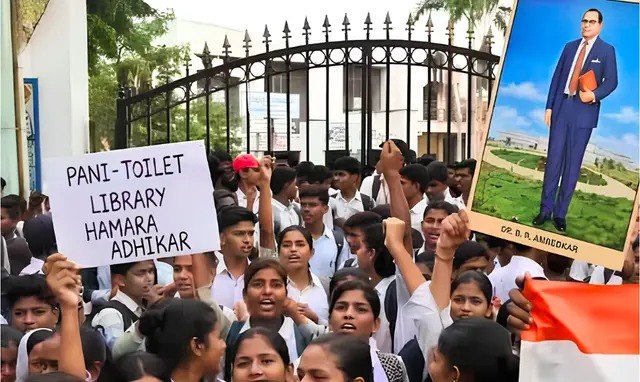
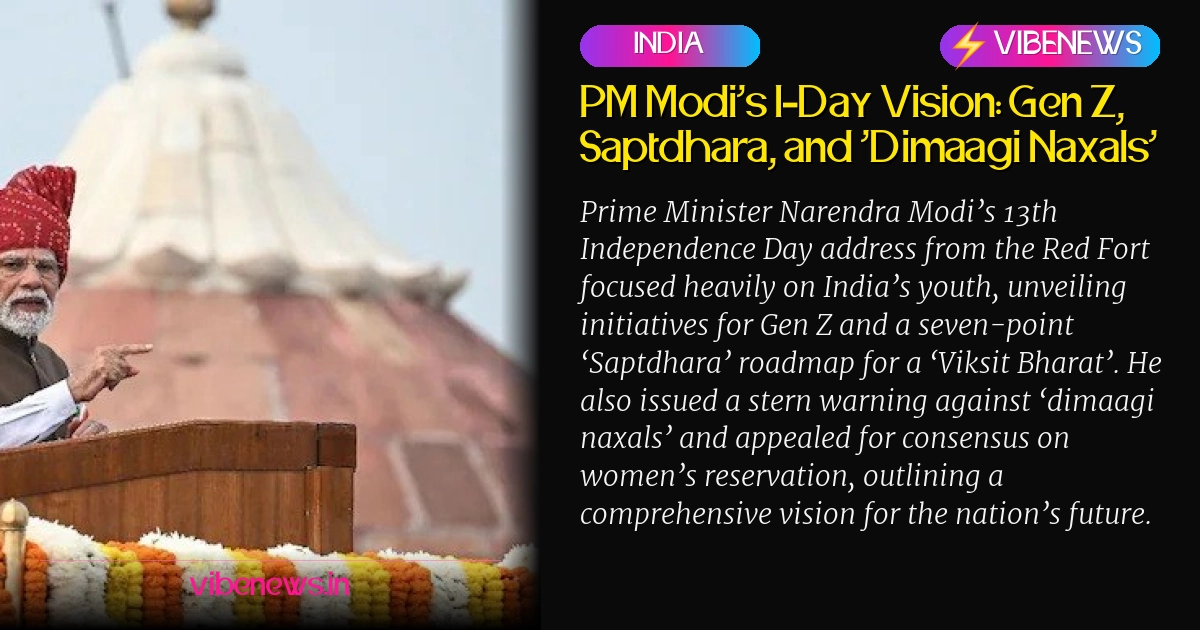
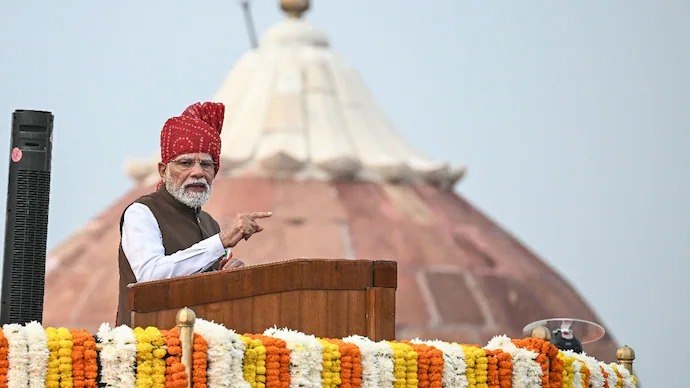
Addressing the nation from the historic Red Fort for the 13th consecutive time, Prime Minister Narendra Modi delivered a comprehensive Independence Day speech that underscored the aspirations of India’s youth and outlined a clear roadmap for national development. His address, coming on the heels of significant student protests over exam paper leaks, placed ‘Yuva Shakti’ and Gen Z at its core, signaling a strategic pivot towards the demographic dividend.
The Prime Minister’s speech, lasting approximately 75 minutes, was a blend of policy announcements, strategic warnings, and appeals for national unity. It reiterated the ‘Atmanirbhar Bharat’ push, emphasizing self-reliance in critical sectors like semiconductors, minerals, and energy, crucial for India’s economic sovereignty and global standing.
The Legislative Shift and Women’s Representation
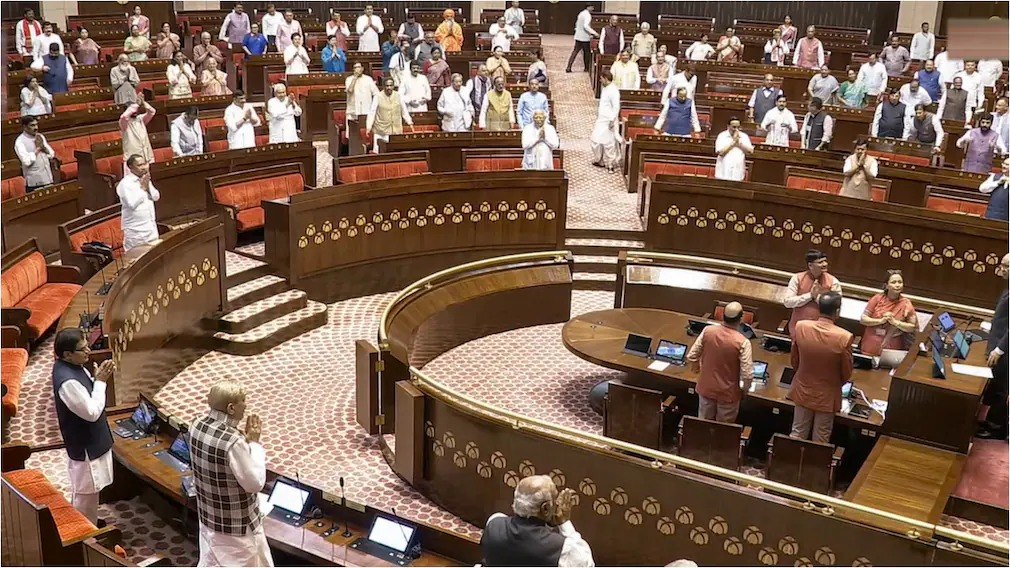
A significant political message embedded within the Prime Minister’s address was a fervent appeal for enhanced women’s representation in policymaking. Amidst the ongoing impasse surrounding the women’s quota bill, PM Modi urged opposition parties to set aside political differences and facilitate the implementation of 33% reservation for women in Parliament and state assemblies.
This appeal comes after a period of backchannel discussions between the government and opposition regarding the bill, which has been linked to delimitation processes. The Prime Minister’s direct call from the Red Fort underscores the government’s intent to push this legislative reform, framing it as a matter of fundamental rights for ‘mothers and sisters’ rather than a political victory.
Empowering Gen Z: A Strategic Outreach
The focus on India’s youth, particularly Gen Z, was a dominant theme, reflecting a strategic response to recent socio-political dynamics. With more than half of the Indian population under 35, this demographic is poised to become a formidable voting bloc in future elections, making their aspirations and concerns paramount for any political leadership.
PM Modi announced several key initiatives aimed at empowering young Indians, including a plan to train one crore youth in advanced AI skills. Additionally, a free online coaching initiative for competitive examinations was unveiled, specifically designed to alleviate the financial burden on middle-class and economically disadvantaged families, thereby democratizing access to opportunities.
The ‘Saptdhara’ Roadmap for ‘Viksit Bharat’
Central to the Prime Minister’s vision for a ‘Viksit Bharat’ (Developed India) by 2047 was the unveiling of a seven-point ‘Saptdhara’ roadmap. Drawing a parallel with the ancient ‘Sapta Sindhu’ (seven rivers), this framework outlines key pillars for national progress and self-reliance.
The first pillar, **Manufacturing Power**, calls for transforming India into a trusted global hub for manufacturing, encompassing everything from components to finished products. This aligns with the broader ‘Make in India’ initiative, aiming to integrate India more deeply into global supply chains as a producer, not just a consumer.
**Agriculture and Food** forms the second stream, with an emphasis on promoting indigenous products like millets, spices, and fruits in global markets. Farmers are encouraged to innovate and contribute to making India a global food powerhouse, leveraging its rich agricultural diversity.
**Technology & Innovation** is the third crucial area, identifying AI, quantum technology, space, and robotics as sectors where India must build indigenous capabilities and become a global innovation hub. This includes ambitious plans for establishing 7-8 semiconductor plants over the next seven to eight years, a significant step towards technological self-sufficiency.
**Gati Shakti**, the fourth pillar, focuses on rapid connectivity across cities through high-speed rail networks and modern highways. This infrastructure push is vital for enhancing logistics, reducing transit times, and boosting economic activity across the country.
**Defence Power** underscores the imperative for self-reliance in defence technologies, building on initiatives like Operation Sindoor. The goal is to evolve into a global supplier of next-generation defence solutions, with a particular focus on drones, hypersonic technology, and cybersecurity, reflecting a shift from importer to exporter.
**Energy Security** is the sixth point, with PM Modi asserting India’s aim to operationalize five new nuclear reactors in the next decade, targeting 100 gigawatts of nuclear power capacity. This diversification is critical for meeting India’s burgeoning energy demands and reducing reliance on fossil fuels.
Finally, **Soft Power** emphasizes leveraging India’s rich cultural heritage, including yoga and Ayurveda, to enhance its global and diplomatic influence. This pillar seeks to project India’s unique identity and values on the international stage, fostering deeper cultural and diplomatic ties.
Warning Against ‘Dimaagi Naxals’
While outlining opportunities, PM Modi also addressed internal challenges, issuing a stark warning against a new enemy he termed ‘dimaagi naxals’ (naxal mentality). He distinguished these ideological naxals, whom he described as embedded in the corridors of power, from the armed Naxalites who have largely been neutralized. The Prime Minister stressed the importance of identifying and isolating these individuals who propagate divisive ideologies.
Global Challenges and Olympic Ambitions
The speech also touched upon global geopolitical realities, with PM Modi warning against countries weaponizing resources and strategic sea routes. He cited past turbulences, like the Iran war, to highlight how India’s self-reliance and diversification strategies prevented shortages of essential commodities like petrol, diesel, and LPG, advocating for a continued focus on national interest in a fragmented world.
Looking towards the future, PM Modi reiterated India’s ambition to host the 2036 Olympics. To achieve this, he announced a nationwide talent hunt to identify young sporting talent aged 5-15 years, who will receive specialized training to become world-class athletes. Hosting the 2030 Commonwealth Games was presented as a crucial stepping stone towards realizing this Olympic dream.
Editorial Context
Prime Minister Modi’s 13th Independence Day address marks a significant articulation of the government’s long-term strategic priorities, particularly as India approaches the 2029 general elections and the 2047 ‘Viksit Bharat’ deadline. The pronounced focus on Gen Z, coupled with concrete initiatives for skill development and educational support, signals a deliberate effort to engage and empower a demographic that will increasingly shape India’s future political and economic landscape. This outreach is particularly pertinent given recent youth-led protests, indicating a responsive shift in governmental messaging and policy direction.
The ‘Saptdhara’ roadmap provides a comprehensive framework, moving beyond incremental reforms to outline a holistic vision for national development across critical sectors. Its emphasis on indigenous manufacturing, technological innovation, and energy security reflects a deeper commitment to self-reliance and resilience in an increasingly volatile global environment. This strategic autonomy is crucial for India to navigate geopolitical shifts and secure its economic interests.
Furthermore, the Prime Minister’s strong appeal for women’s reservation underscores a continued push for gender parity in governance, a reform with profound implications for India’s democratic fabric. The warning against ‘dimaagi naxals’ also highlights the government’s concern over ideological subversion and its intent to counter narratives perceived as detrimental to national unity and progress. Collectively, these elements of the speech are not merely policy announcements but a blueprint for India’s trajectory, aiming to solidify its position as a major global power while addressing internal challenges and fostering inclusive growth for generations to come.
TL;DR
- PM Modi delivered his 13th Independence Day speech, focusing on Gen Z, ‘Saptdhara’ roadmap, and ‘dimaagi naxals’.
- He announced initiatives for youth, including AI skill training for one crore and free online competitive exam coaching.
- The ‘Saptdhara’ roadmap outlines seven pillars for ‘Viksit Bharat’: manufacturing, agriculture, technology, Gati Shakti, defence, energy security, and soft power.
- PM Modi warned against ‘dimaagi naxals’ (ideological naxals) embedded in power corridors, urging their identification and isolation.
- He appealed for consensus on the women’s reservation bill, advocating for 33% reservation in Parliament and assemblies.
- India reiterated its ambition to host the 2036 Olympics, announcing a nationwide talent hunt for young athletes aged 5-15.