
Educationist and climate activist Sonam Wangchuk has accused the Ladakh administration of running a “witch-hunt” against the Himalayan Institute of Alternatives, Ladakh (HIAL) and its Desert Flower School, saying the move is designed to silence dissent in the Union Territory. He made the claim on Wednesday in Leh, speaking to reporters alongside his wife, Gitanjali J Angmo, co-founder and CEO of HIAL.
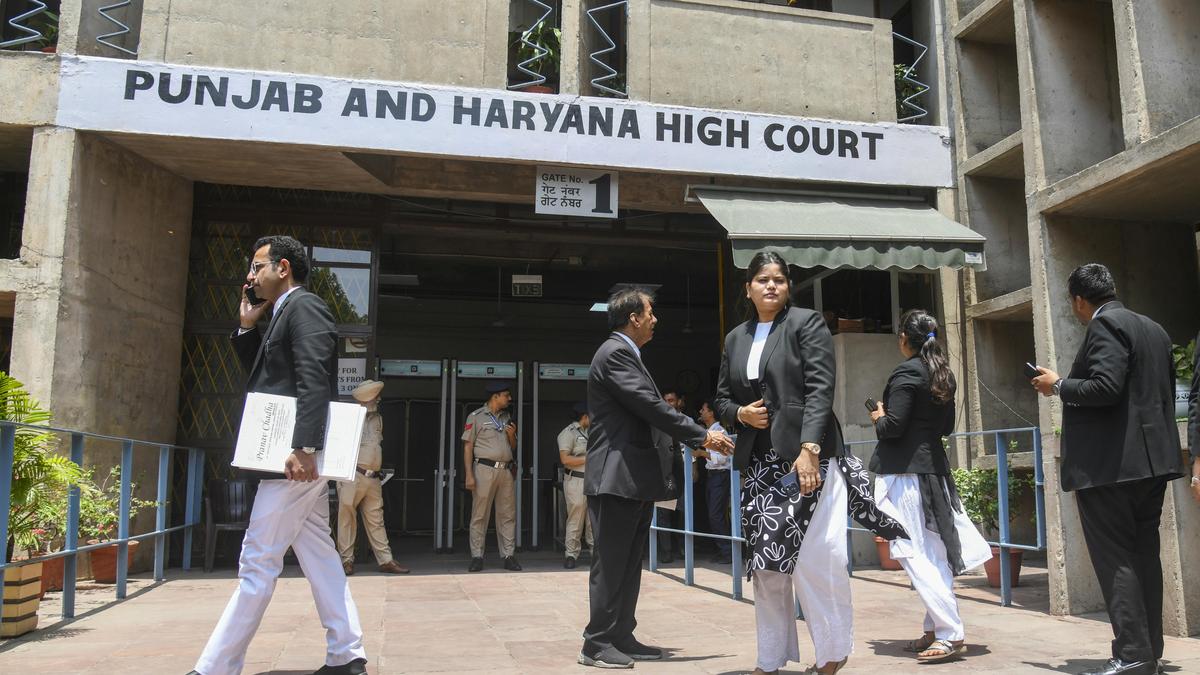
The trigger is a notice dated November 1 from the Office of the Tehsildar, Leh, addressed to Angmo. It directs HIAL to refrain from further activities related to the functioning of Desert Flower School at Phyang, pending a final decision by the High Court of Jammu & Kashmir and Ladakh.
A notice Wangchuk says is built to frighten parents
Wangchuk questioned both the timing and the circulation of the notice. He alleged the administration’s real objective was to “create panic” among parents and “force” them to pull their children out of the school, rather than pursue a genuine legal or technical issue.
He went further, arguing the action was never designed to hold up in court. “My personal assessment is that this action was not even intended to succeed on legal or technical grounds,” he said. “The authorities themselves know that, legally and technically, this action is unlikely to stand.”
Angmo rejected the two grounds cited in the notice: the absence of necessary approvals and the pendency of the land-related case concerning HIAL. Her response put the institute’s position squarely against the administration’s stated reasons for the halt.
Liquor rules and the education contrast
The sharpest line in Wangchuk’s remarks drew a contrast between restrictions on schools and relaxed rules for liquor establishments in the Union Territory. Citing the liquor and bar policy, he said women had been protesting against the move. He also claimed the number of NOCs required for liquor-related establishments had been cut from 16 to six.
Wangchuk then delivered the most pointed charge of the press conference:
“Stop education, prevent children from becoming educated, keep schools closed, but make alcohol more accessible and push the entire region towards alcoholism. This is how these policies appear to us.”
The land case and the disputed certificate
The UT administration cancelled the land allotment to HIAL on August 21, 2025. The institute then filed a writ petition before the high court, and that case is still pending adjudication.
Angmo said HIAL had repeatedly approached the authorities to execute the lease deed, but the process stalled because the administration had not finalised its lease policy. She maintained the high court had restrained the administration from creating third-party rights over the land, and that the court order did not direct the institute to suspend its activities.
The school approval dispute centres on a demand that HIAL obtain an NOC certifying that members of its Managing Committee for the school are non-political. Wangchuk said there was no such requirement under the applicable education policy. “All our board members are independent and have no political affiliations. Yet, this requirement does not even exist in their own policies,” he said. He added that even the deputy commissioner and collector had acknowledged the requirement does not exist, yet the matter continued to be held up.
Angmo said the institute had been caught between the Directorate of School Education and the Deputy Commissioner’s office over that additional requirement, which she said was not prescribed under the relevant SRO. HIAL wrote approximately six letters seeking clarification, including a reminder on October 30 that classes would commence on November 2.
Rock dams, tourism and the cost of speaking out
Wangchuk tied the notice to a longer run of confrontations with the administration. He said the action was linked to his consistent criticism of its policies on liquor, tourism, land and environmental issues.
The climate activist singled out public money spent on rock dams along the Indus river. He alleged the structures had failed and caused environmental damage, and said raising questions about these projects and other government policies had angered the administration.
He also placed the dispute within a wider fight over democracy in Ladakh. Wangchuk said the broader movement for democracy, democratic rights and constitutional safeguards was one reason for the alleged crackdown. He said that since present Lieutenant Governor V K Saxena took office, a number of arbitrary policies and decisions had caused considerable distress among the people of Ladakh, and that those who spoke up had become targets. In his words, speaking out on liquor, rock dams, tourism and land had made the movement a target of the administration.
An institution with recognition, and a challenge to critics
Wangchuk expressed anguish that an institution with international recognition now faces an attempt to shut it down. He pointed to projects featured by an international magazine and work showcased at an international museum in London. He also cited recognition from the Parliamentary Committee on Education and encouragement from a former chairman of the University Grants Commission to promote HIAL’s educational model.
Angmo went on the offensive over the school’s credentials. She challenged government officials and NGOs to build a residential school comparable to Desert Flower, saying HIAL had developed its institution in two years and was willing to give others five years to create one capable of becoming one of India’s leading schools.
She also said HIAL was willing to facilitate inspections and complete the prescribed approval process. In her account, the delay came from administrative confusion and a lack of coordination between offices, not from any shortcoming on the institute’s part.
Where the dispute stands
HIAL has submitted its formal response to the notice and is awaiting the authorities’ reply. The high court case over the land allotment remains pending, and the High Court’s final decision on the school’s activities is still to come. Wangchuk’s accusations against the administration have not, in the reporting available so far, been answered on the record by the Ladakh administration, and the notice’s two stated grounds remain the official basis for the halt.
TL;DR
- Sonam Wangchuk accuses the Ladakh administration of a witch-hunt against HIAL and its Desert Flower School.
- The notice, dated November 1, directs HIAL to halt Desert Flower School activities pending a High Court decision.
- Wangchuk says the action aims to create panic among parents and silence dissent over liquor, tourism, land and environment policies.
- He alleges the notice was never meant to succeed legally, pointing to the non-political Managing Committee certificate demand.
- HIAL says it has submitted a formal response and is awaiting the authorities’ reply.