Plot and Narrative Approach
The Kerala Story 2 follows a similar structure to the first film: a central female character faces danger and manipulation allegedly linked to a particular religious community. The story is framed as “based on true events” but offers no verifiable sources or nuance. Every conflict is reduced to a simplistic good-vs-evil binary with one group consistently cast as the antagonist. The film alternates between melodramatic personal stories and heavy-handed lectures delivered through characters or voice-over narration.
Performances and Characterization
Lead performances are uniformly over-the-top. Actors playing the “villainous” community members are directed to leer, shout, and speak in exaggerated accents, bordering on caricature. Protagonists are saintly victims with little depth or agency beyond suffering and eventual salvation. Supporting characters exist only to reinforce the central message—either as helpless innocents or evil masterminds. No attempt is made at balanced or humanized portrayal of any character from the targeted community.
Direction, Script, and Propaganda Elements
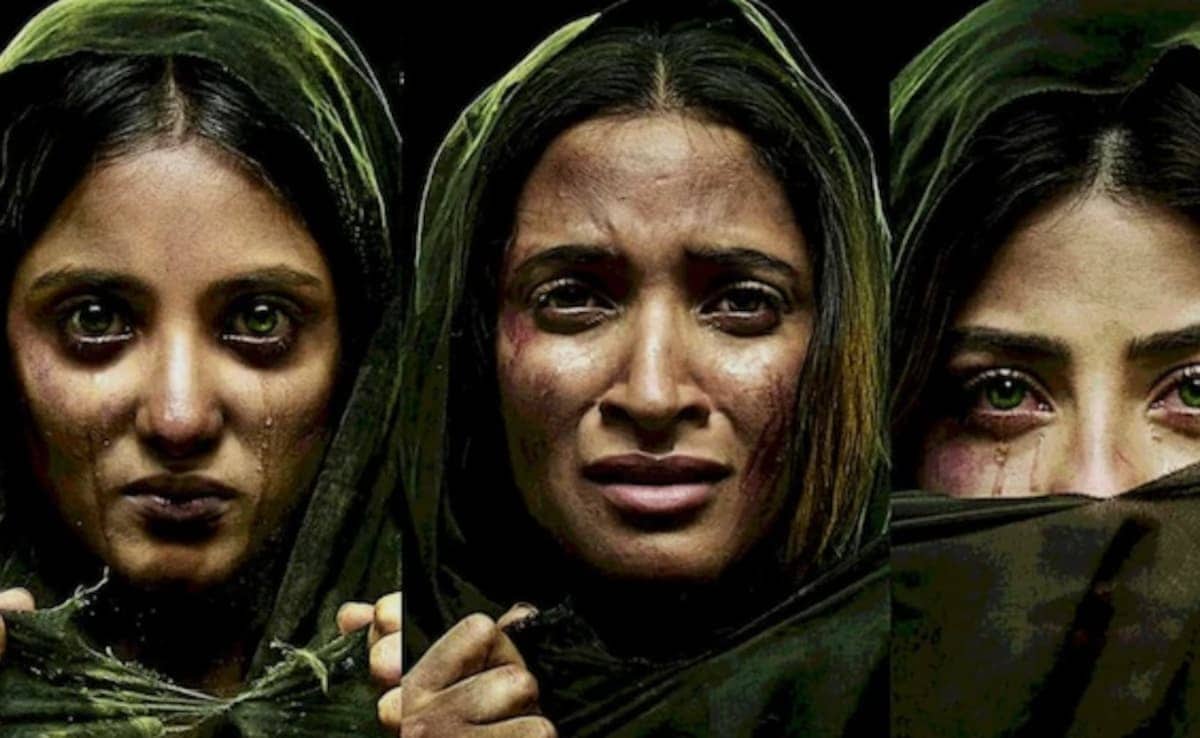
Direction prioritizes shock value and emotional manipulation over coherent storytelling. Scenes are edited to maximize outrage—slow-motion violence, ominous music, and repeated close-ups of fearful faces. The script is repetitive; the same talking points are hammered in scene after scene with almost no variation. Historical context is distorted or invented to fit the narrative. The film frequently breaks the fourth wall with direct-to-camera speeches and text-on-screen statistics presented without verification.
Technical Aspects
Cinematography is functional but unremarkable. Action sequences are poorly choreographed and rely on shaky-cam to hide limitations. Background score is manipulative, using swelling strings and ominous drones to cue emotion rather than enhance drama. Production values are adequate for a mid-budget venture but do not elevate the material.
Audience Reception and Cultural Impact
The film is designed for a specific audience that already shares its worldview; it offers no new arguments or artistic merit to persuade others. Early reviews and social media reactions are sharply divided—supporters praise it as “eye-opening,” while critics call it propaganda masquerading as cinema. The film’s one-dimensional agenda and refusal of nuance make it artistically hollow and intellectually dishonest. It prioritizes messaging over storytelling, resulting in a tedious viewing experience for anyone seeking genuine drama or balanced discourse.
TL;DR
- The Kerala Story 2 follows the same formula as the first film.
- One community is consistently portrayed as the villain.
- The script is preachy with repetitive messaging.
- Performances are exaggerated and lack depth.
- Direction prioritizes shock value and manipulation over storytelling.
- The film breaks the fourth wall with lectures and unverified statistics.
- Technical aspects are functional but unremarkable.
- It appeals only to viewers who already share its worldview.
- Critics call it propaganda rather than cinema.
- The film sacrifices nuance and artistry for agenda.