
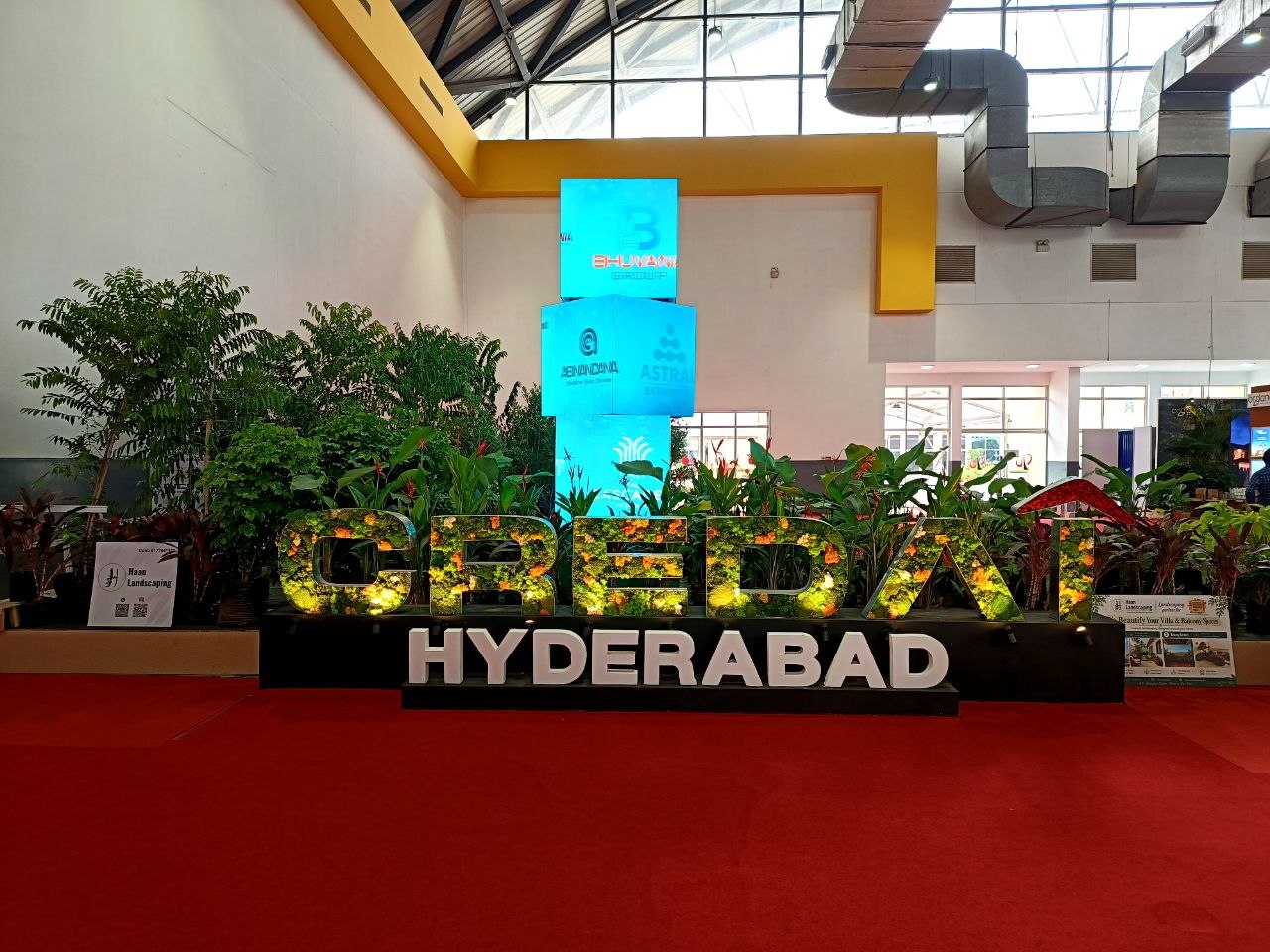
The CREDAI Hyderabad Property Show 2026, a significant event for the region’s real estate sector, recently concluded at the HITEX Exhibition Centre. Over three days, the 19th edition of the show brought together more than 60 developers, showcasing over 300 RERA-approved residential and commercial projects to thousands of prospective homebuyers and investors.
This annual exhibition serves as a crucial barometer for Hyderabad’s dynamic property market, offering a comprehensive platform where various property types, from apartments and villas to plotted developments, are presented. Financial institutions were also present, providing essential guidance on home loans and financing options, streamlining the purchasing process for attendees.
Hyderabad’s Enduring Appeal and Growth Trajectory
Telangana Chief Secretary Sanjay Jaju inaugurated the property show, emphasizing Hyderabad’s burgeoning status as a globally preferred destination. He highlighted the city’s robust business ecosystem and continuous infrastructure development as key drivers of its growth. Hyderabad has, over the past two decades, transformed into a major IT, pharmaceutical, and biotechnology hub, attracting significant investment and a skilled workforce.
Jaju specifically referenced ongoing and planned infrastructure projects, including the ambitious Hyderabad Metro Phase-II expansion and the Musi Riverfront Development. These initiatives are designed to further strengthen the city’s connectivity, urban aesthetics, and overall growth prospects, reinforcing its appeal to both residents and businesses.
The Chief Secretary also underscored the real estate sector’s vital contribution to the state’s economic growth. He reiterated the Telangana government’s commitment to fostering transparent development, aiming to create a predictable and supportive environment for both developers and homebuyers.
Market Dynamics and Developer Confidence
The property show’s theme, “Rate Aagadhu – Demand Thaggadhu” (rates will not fall, demand will not decrease), encapsulated the prevailing sentiment among developers. CREDAI Hyderabad President-Elect B. Jagannath Rao affirmed the residential real estate market’s resilience during the first half of 2026, despite some shifts in sales volumes.
Figures presented by CREDAI Hyderabad revealed that 26,068 homes were sold during the first six months of 2026, generating a sales value of ₹52,913 crore. While unit sales saw a 13% decrease compared to the same period last year, the overall sales value indicates a sustained high-value market. Approximately 60 million sq ft of residential space was absorbed, with the average home size standing at around 2,300 sq ft.
A notable trend was the 10% year-on-year increase in the average ticket size, reaching ₹2.03 crore, reflecting the premiumization of properties and potentially the impact of rising construction costs and land values. New residential launches during the first half of the year totaled 49,656 units, indicating a healthy pipeline of projects entering the market.
Policy Dialogue and Industry Appeals
Despite the sector’s growth, CREDAI Hyderabad President N. Jaideep Reddy articulated the industry’s need for greater policy clarity from the state government. He specifically called for a review of building-permit mortgage requirements and NALA-related procedures, which pertain to the conversion of agricultural land for non-agricultural purposes.
Reddy urged the Telangana government to consider reducing or even removing the 10% building-permit mortgage requirement. He argued that with the robust regulatory framework provided by RERA (Real Estate Regulatory Authority), this requirement might be redundant and ties up significant capital for developers. Releasing this capital, he suggested, could stimulate further investment and development within the sector.
The Buyer’s Dilemma: Affordability Concerns
While developers exuded confidence, the sentiment among prospective homebuyers at the exhibition was more nuanced, with many expressing concern over the prevailing property prices. The rapid appreciation in Hyderabad’s real estate values, while beneficial for investors, presents a challenge for those looking to enter the market.
One prospective buyer, actively searching for a 3 or 3.5 BHK property in areas like Kokapet, noted the limited options available within a budget of ₹1.5 crore to ₹2 crore. This individual suggested that projects priced above ₹2.5 crore would need a reduction of at least 20% to become more accessible to a broader segment of buyers.
Despite these concerns, visitors acknowledged the value of the property show. It offered a unique opportunity to compare a wide array of projects, locations, prices, and amenities under one roof, facilitating informed decision-making before committing to a significant purchase. Developers reported strong initial interest, particularly from families, and anticipated even greater participation from serious buyers as the weekend progressed.
Editorial Context
The CREDAI Hyderabad Property Show 2026 offers a critical snapshot of a real estate market at a crossroads. Hyderabad’s journey from a regional capital to a global economic powerhouse has been intrinsically linked to its property sector. The sustained demand, even with a slight dip in unit sales, underscores the city’s magnetic pull for talent and investment, driven by its robust IT corridor, burgeoning pharmaceutical industry, and continuous infrastructure upgrades.
However, the escalating average ticket size and the concerns voiced by prospective homebuyers highlight a growing challenge: affordability. As Hyderabad continues its upward trajectory, ensuring that housing remains accessible across various income brackets will be paramount for inclusive growth. The industry’s call for policy clarity on issues like building-permit mortgages and NALA procedures is not merely a plea for developer convenience; it reflects a desire for a more streamlined and efficient regulatory environment that can potentially influence supply and, indirectly, pricing.
Over the long term, the interplay between government policy, developer strategies, and consumer purchasing power will shape Hyderabad’s urban landscape. The city’s ability to balance rapid development with sustainable, equitable housing solutions will define its future as a truly global and livable metropolis. The trends observed at events like the CREDAI show will continue to be vital indicators of this evolving dynamic, influencing urban planning, economic policy, and the daily lives of its citizens for years to come.
TL;DR
- The CREDAI Hyderabad Property Show 2026 featured over 300 RERA-approved projects from more than 60 developers.
- Telangana Chief Secretary Sanjay Jaju highlighted Hyderabad’s global appeal and ongoing infrastructure growth, including the Metro Phase-II expansion and Musi Riverfront Development.
- Hyderabad’s residential market recorded 26,068 home sales in the first half of 2026, with a sales value of ₹52,913 crore, despite a 13% year-on-year dip in unit sales.
- The average home ticket size increased by 10% year-on-year, reaching ₹2.03 crore, indicating a trend towards premiumization and rising property values.
- CREDAI President N. Jaideep Reddy urged the Telangana government for greater policy clarity on building-permit mortgage requirements and NALA-related procedures.
- Prospective homebuyers at the exhibition expressed concerns over high property prices, noting limited options within budgets of ₹1.5 crore to ₹2 crore in key areas.