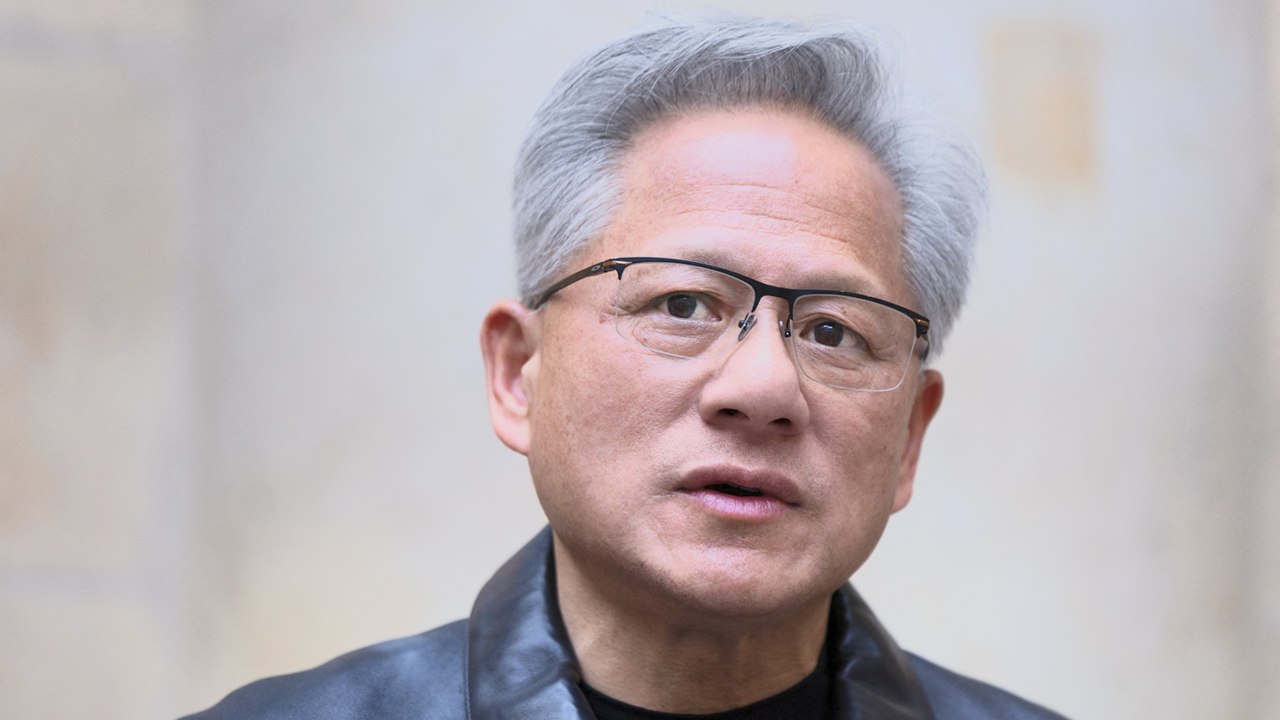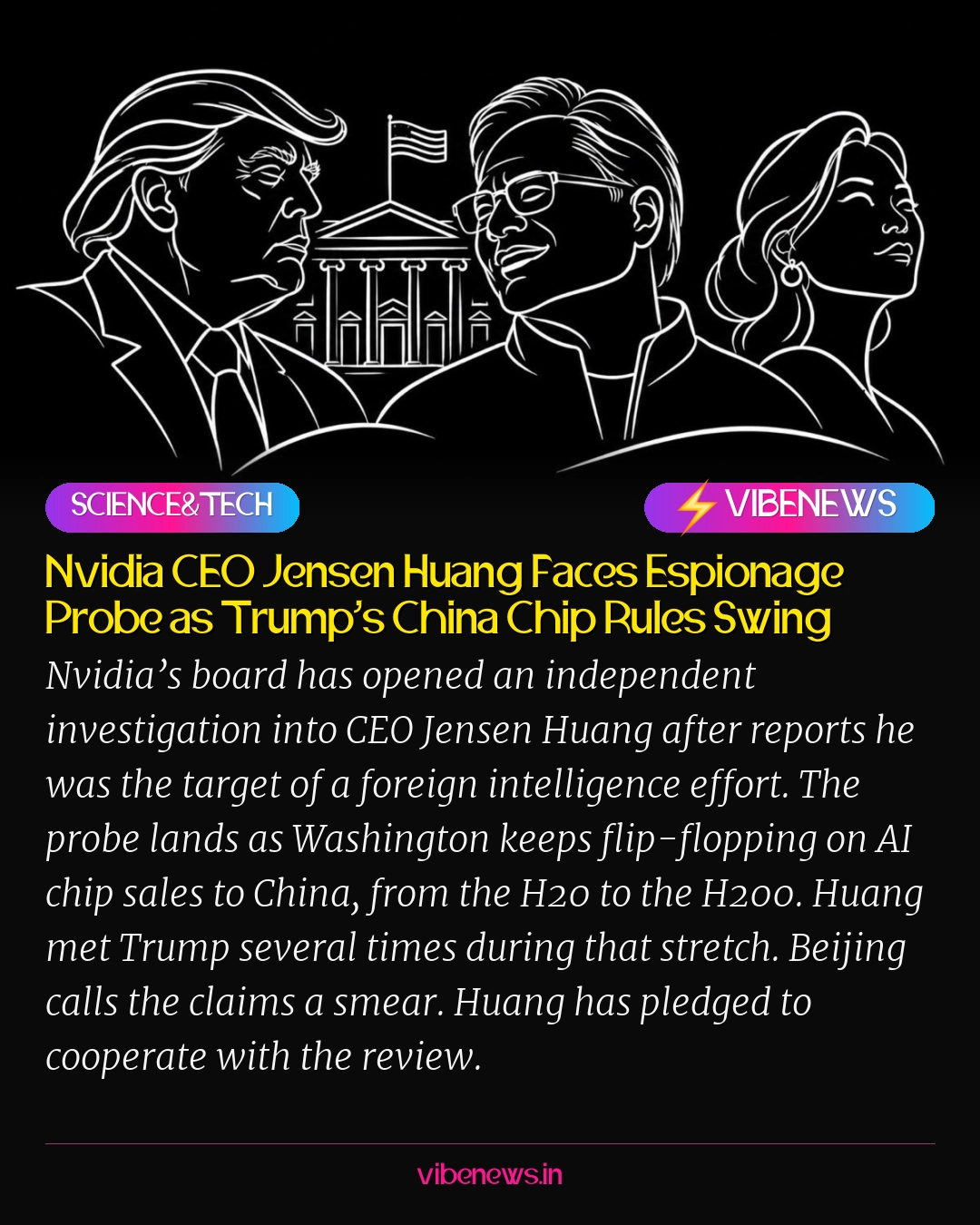
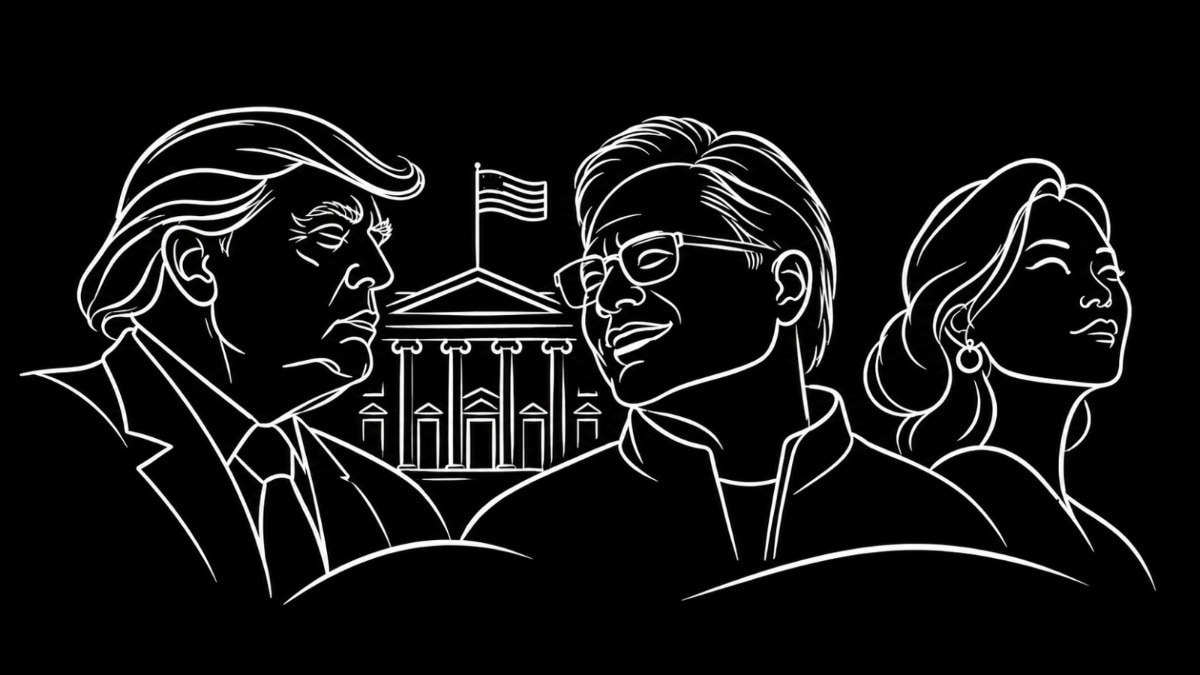
Nvidia’s board said on November 8 that it would start an independent investigation after reports that chief executive Jensen Huang had been the target of a foreign intelligence effort. The same day, Huang wrote to employees and admitted he had been "unfaithful to his wife." The board said it has "no reason to believe that either national security or NVIDIA secrets were compromised," and Huang has pledged to cooperate.
The espionage claims center on a woman named Alice Huang, who was once a managing director at Megaspeed, a Singapore-based company. Reporting has linked a suspected operation to her, though the memo describing the alleged recruitment is not public. Nvidia’s spokesperson said Huang’s interactions with her were "not unusual or unexpected." China again rejected the claims on November 9, calling them a smear.
How the chip rules swung under Trump
The curbs began under Joe Biden. On October 7, 2022, his government restricted China’s access to advanced chips and chip-making technology, then tightened those rules in October 2023. Nvidia answered with the H20, a version built for China to fit US rules.
Then Trump took over the file, and the policy zigzagged. Huang met him at the White House on January 31, 2025, where the two discussed China’s DeepSeek AI model and possible export curbs. On April 9, the US told Nvidia that H20 exports would need a licence. The company said that decision led to a $4.5-billion charge on excess inventory and purchase obligations.
Washington reversed the H20 curb later that summer. Nvidia said it had been assured of licences. The Commerce Department began issuing them two days after a August 6 meeting between Huang and Trump, according to reporting on the timeline.
The biggest turn came in December. Trump met Huang on December 3 to discuss export controls. Five days later, he announced that approved Chinese customers could buy the H200 under certain conditions, with 25 per cent of revenue going to the US government. A revised Commerce policy from January 15, 2026, then moved applications for certain advanced chips, including the H200, from presumption of denial to case-by-case review. Huang also joined Trump’s Beijing visit on May 13, 2026, as a last-minute addition.
Those dates line up closely with policy changes. Still, the overlap alone does not prove the meetings shaped the decisions, and nobody has shown that they did.
Why the H200 worries Washington
Think of a GPU as a super-fast engine that runs thousands of small calculations at the same time. That is exactly what modern AI needs. The H20 is the toned-down version. The H200 is the full-power model, with 141GB of high-bandwidth memory, and that gap is the reason officials keep fighting over it.
The Singapore trail
While Washington argued internally, Huang kept pushing for a return to China. In an October 2026 interview, he said, "We’re always hoping to return to China."
Megaspeed was formed in 2023 out of the overseas operations of Chinese gaming firm 7Road. Alice Huang, also known as Huang Le, ran it as managing director for its first eight months. Its Malaysian arm, Speedmatrix, received more than 200 shipments of Nvidia technology worth nearly $2 billion between June 2024 and June 2025. Much of that equipment came through Aivres, the US arm of Chinese firm Inspur, which sits on the US Entity List.
US officials suspected the hardware was being diverted to China. They did not find conclusive evidence.
Singapore police confirmed in October that investigations into Megaspeed for suspected breaches of domestic laws were ongoing. On October 31, 2026, Singapore clarified that Alice Huang herself had not been investigated over alleged Chinese intelligence links.
Defending Nvidia’s dealings with Megaspeed, Huang offered a line that now reads differently. "We’ve studied all their deployments of our GPUs and counted every one."
We’ve studied all their deployments of our GPUs and counted every one.
That remark came before the espionage claims went public, but it now sits at the center of the debate over how much Nvidia really knew about where its chips ended up.
Capitol Hill gets involved
The matter has reached Congress. Democrats won both chambers in the November 3 midterms. Three Republican committee chairs then wrote to Huang on November 4, asking for a closed-door briefing on his interactions with Alice Huang and on national security risks.
The timing is awkward for them. Democratic majorities take over the committees in January, so what happens next is unclear.
For now, the facts are narrow. Nvidia’s board is investigating, Huang has admitted a personal failing, and Singapore says Alice Huang was not the subject of its probe. The larger question, whether the access and influence Huang built with Trump shaped policy that let some of the most powerful chips reach China, remains open.
TL;DR
- Nvidia’s board launched an independent investigation after reports CEO Jensen Huang was the target of a foreign intelligence effort.
- Huang admitted in a November 8 letter to employees that he had been "unfaithful to his wife."
- US officials suspected Nvidia chips were diverted to China but found no conclusive evidence.
- Washington reversed its H20 curbs and later allowed the more powerful H200, with 25 per cent of revenue going to the US government.
- Singapore said Alice Huang herself was not investigated over alleged Chinese intelligence links.
- Three Republican committee chairs asked Huang for a closed-door briefing on national security risks.