Indian women need about 80 grams of protein a day, and nutrition experts warn that 30 grams is not enough. The advice comes from specialists who say women balancing family responsibilities, jobs and daily chores often push their own health to the bottom of the list.
The pattern is familiar in many homes. Women keep traditions, observe fasts and look after everyone else first. Their own meals and physical fitness often get squeezed out of the day, and the experts say that habit is costing them.
Health problems that show up too early
According to the experts, several health problems are appearing among Indian women, including insufficient protein intake, anemia, weakened bones and heart disease risk. They noted that some of these conditions begin at a younger age among Indian women than among women in other countries.
Osteoporosis, the condition in which bones become thin and fragile, may start 10 to 20 years earlier in Indian women than in women elsewhere, the experts said. That gap matters. A bone problem that begins in a woman’s thirties or forties leaves far less time to build a safety margin before age takes its toll.
Anemia is also widespread. The experts said 57 percent of Indian women suffer from it. Anemia means the body does not have enough healthy red blood cells to carry oxygen, which can leave a person feeling tired and drained through ordinary days.
Heart disease is another concern. The experts said it arrives among Indian women roughly a decade earlier than expected, and that more women die from heart disease than from cancer. Those figures are a sharp reminder that a woman’s health needs attention long before a doctor’s visit becomes urgent.
The first habit: enough protein, every day
The experts want women to build two habits. The first is daily protein. They recommend about 80 grams a day and say women should not settle for 30 grams.
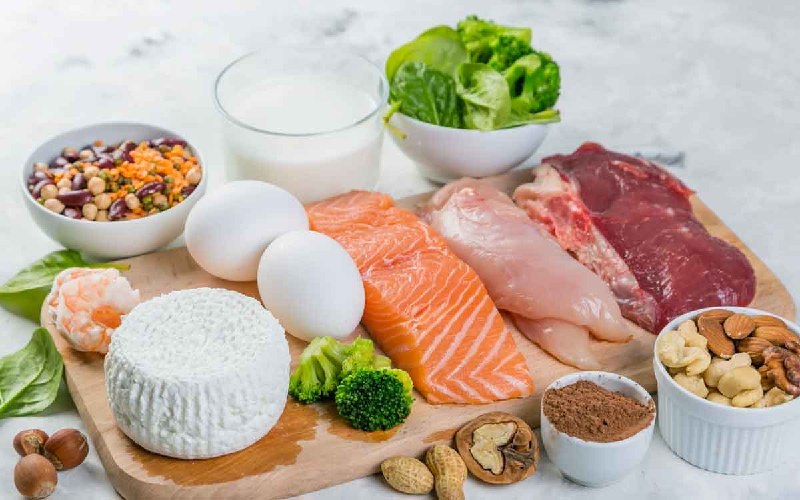
Dal and other pulses are a common protein source in Indian kitchens. The experts acknowledged that, but they said pulses alone cannot meet daily needs. Protein intake has to come from a wider mix of foods across the day, not from one familiar dish repeated at every meal.
Protein needs also differ from one person to another. The experts advised women to work out the amount that suits their own body rather than copying a number from a neighbour or a social media post. They added that digestion deserves attention too. If bloating or discomfort regularly follows meals, that signal should not be ignored.
The second habit: lift weights, not just walk
The second habit is weight-lifting or strength training, done at least two to three days a week. Many people treat strength work as a cosmetic goal, something for a toned look. The experts pushed back on that idea.
Muscle strength, they said, keeps daily life running smoothly. Strong muscles make it easier to walk, to stand up from a chair without strain and to lower the risk of a fall. As people age, those abilities decide how independently they can live. Skipping strength exercises is one of the mistakes the experts flagged, alongside poor nutrition and low protein intake.
The experts linked these problems together. Poor nutrition, too little protein and no muscle-building exercise combine to weaken muscles and bones over time. Starting these habits early gives women a better chance of staying active and self-reliant after they grow older.
Setting an example at home
Children learn by watching the adults around them. The experts said girls who grow up seeing their mothers eat well, get enough protein and exercise regularly are more likely to treat their own health as a priority. A woman’s routine, in that sense, shapes the habits of the next generation.
That is why the experts called on women to share the responsibility of family care with attention to their own bodies. Their argument is not that family duties should be dropped. It is that a home runs better when the person running it stays strong.
The experts drew a direct comparison with fasting. Many women observe fasts with strict discipline for the long life of their husbands. The same level of commitment, they said, should go into their own health. As one of the experts put it:
Women follow fasts with great discipline for their husband’s long life. The same discipline should be applied to their own health.
For many readers, the message is practical rather than dramatic. The target is clear: around 80 grams of protein a day, at least two or three days of weight training each week, and attention to digestion and body signals. None of it requires a radical overhaul, but the experts argue it needs to start now, while the body still has time to respond.
TL;DR
- Indian women should aim for about 80 grams of protein a day, not 30, according to nutrition experts.
- Anemia affects 57 percent of Indian women, the experts said.
- Osteoporosis may begin 10 to 20 years earlier in Indian women than in women elsewhere.
- Heart disease arrives roughly a decade early and causes more deaths than cancer among Indian women.
- Experts advise weight-lifting exercises two to three days a week to protect muscles, bones and mobility.
- Dal and pulses alone cannot meet daily protein needs, the experts warned.