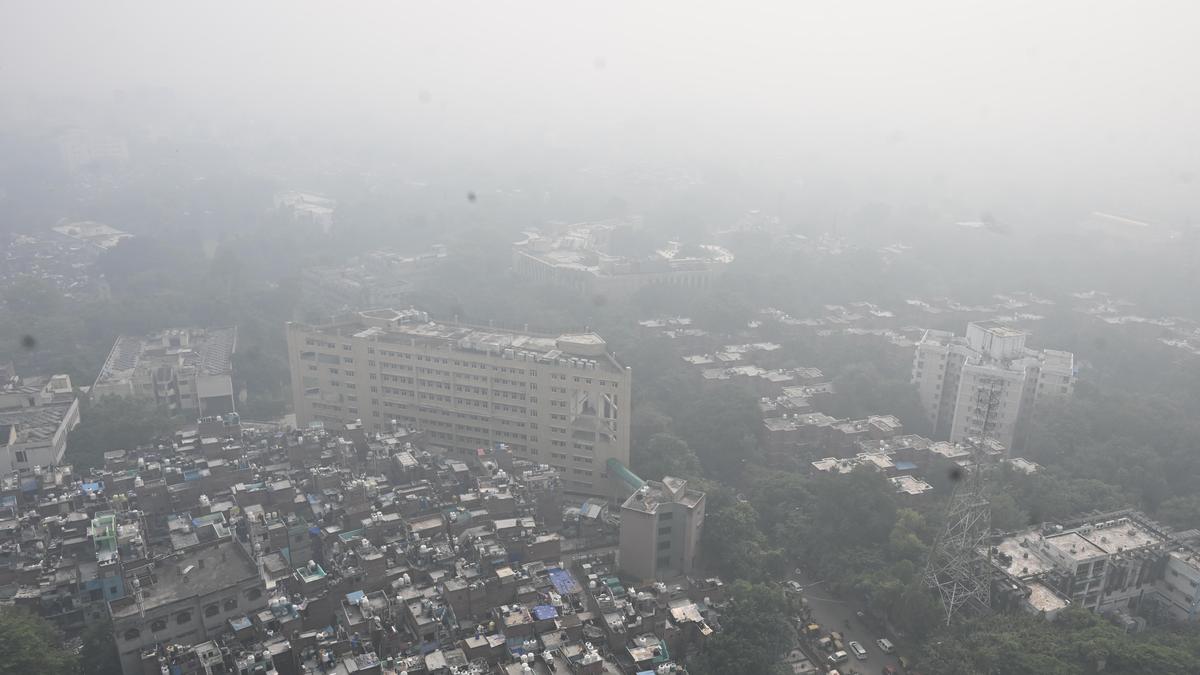
Delhi’s air quality crashed into the severe range on Deepavali night, with the overall Air Quality Index standing at 371 at 10 p.m. on Sunday, November 8, 2026, as firecracker smoke spread across the capital despite restrictions on bursting them.
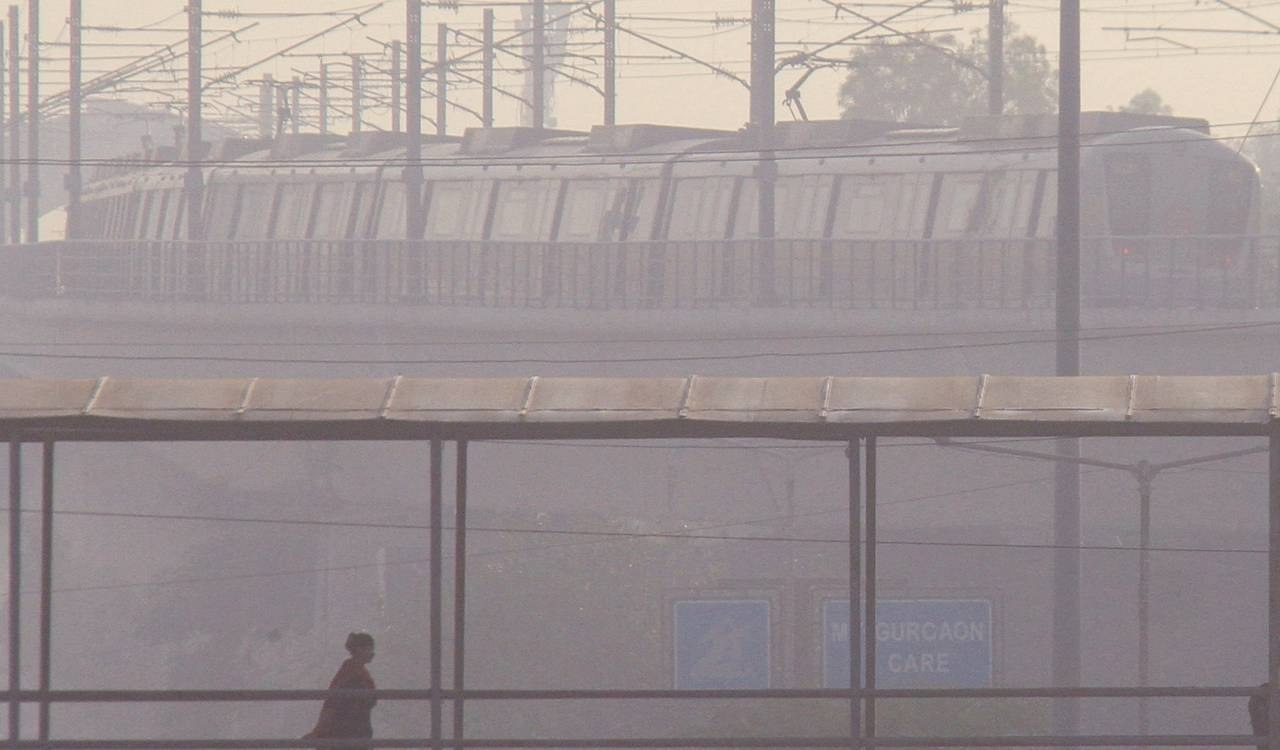
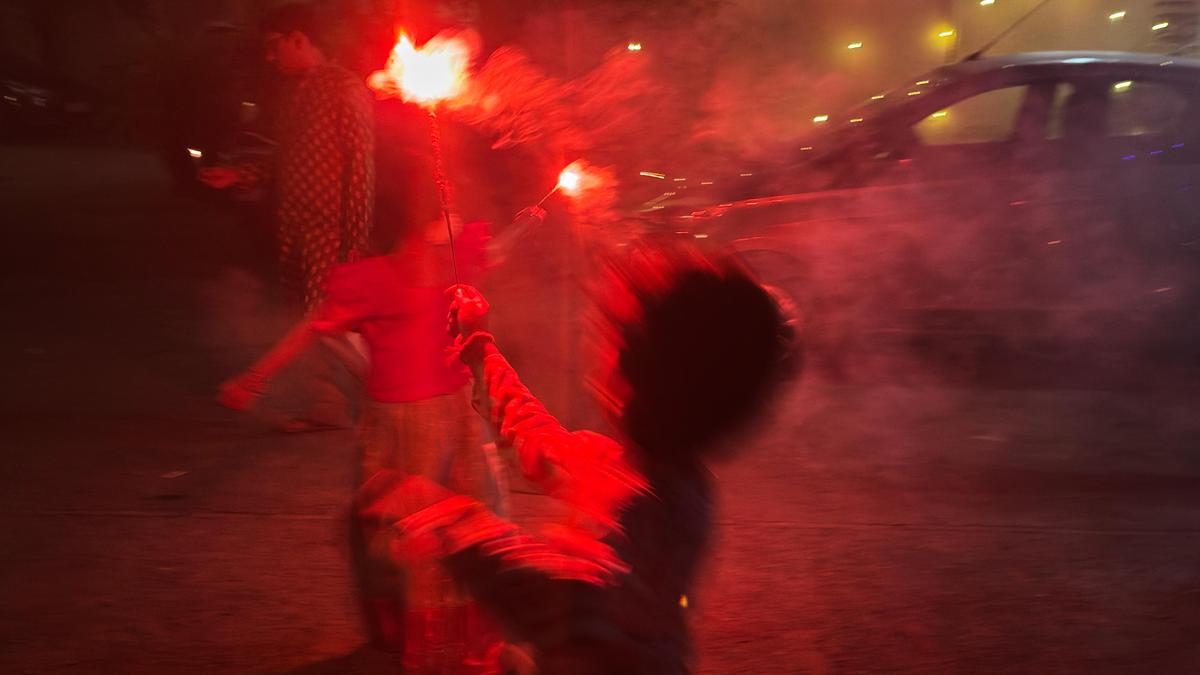
The haze thickened as the evening wore on. Streetlights blurred, visibility dropped in several parts of the city, and the smell of burnt crackers lingered in the air over residential streets. Residents reported difficulty breathing.
The haze grew denser as the evening progressed, with smoke from firecrackers hanging over roads and residential neighbourhoods.
Fireworks kept going off across the city. Reports came in from Pitampura, Burari, Mayur Vihar and parts of Lutyens’ Delhi. Burari saw particularly heavy bursting, while people in the Bishambardas Marg area said fireworks continued there too, though with slightly less intensity.
The Delhi government had urged residents to follow the Supreme Court’s directions on the sale and use of green firecrackers before the festival. Those directions were not enough to stop the noise and smoke. Under an order from the District Magistrate (East), green firecrackers could be burst only on November 7 and 8, and only between 6 a.m. and 7 a.m. and between 8 p.m. and 10 p.m.
The numbers tell a harder story. Of the 59 monitoring stations in the city, 19 were in the severe category at 7 p.m. Seven were in the poor category, and the remaining 33 were in very poor. Jahangirpuri recorded the highest AQI at 460.
The city’s average AQI for the day settled at 376, which is still in the very poor category. On Saturday, the average stood at 369. In other words, the air did not improve between the two days, and it got slightly worse as the celebrations peaked.
The court has also barred bursting firecrackers within 300 metres of hospitals, nursing homes, health centres, old-age homes, educational institutions and other notified silence zones. Those are the places where people who are already sick, elderly or very young spend their time, and they are the places that get the least protection from smoke that drifts for blocks.
Only CSIR-NEERI-certified green firecrackers are allowed for sale, and the administration has ordered that they be sold only at locations designated by the Delhi Police. To catch unauthorised sale and use, the administration has set up joint patrolling and enforcement teams made up of district officials and Delhi Police personnel. The reports from Sunday night suggest those teams had a hard time keeping up.
The warning ahead. The Air Quality Early Warning System has forecast that Delhi’s air is likely to slip into the severe category from November 9 and stay there for the next few days. That forecast gives residents little room to relax after a night of heavy smoke.
Weather and air quality experts have pointed to several causes for the expected deterioration. They cite unfavourable meteorological conditions, vehicular emissions, the Deepavali celebrations, and the ongoing peak stubble-burning season in neighbouring states. Each of these factors feeds the others, and the city has little control over the wind patterns that trap smoke near the ground.
PM2.5, the fine particulate matter that can reach deep into the lungs, remained the main pollutant in the national capital on Sunday. Firecracker emissions added to those particulate levels, which means the haze over the city was not just unpleasant to look at. It was carrying the kind of pollution that health experts warn about most.
For a city already breathing bad air, the next few days will test how much the restrictions on paper actually mean on the streets. So far, the streets of Delhi have told a different story.
TL;DR
- Delhi’s overall AQI stood at 371 at 10 p.m. on Deepavali night, pushing many monitoring stations into the severe range.
- Of 59 stations, 19 were in severe at 7 p.m., while Jahangirpuri recorded the highest AQI at 460.
- Firecrackers kept bursting in Pitampura, Burari, Mayur Vihar and parts of Lutyens’ Delhi despite restrictions.
- The city’s average AQI for the day was 376, compared with 369 on Saturday.
- The Early Warning System forecasts severe air from November 9 for the next few days.
- Experts blame vehicle emissions, weather conditions and stubble burning in neighbouring states.