Strength training builds bone and muscle more effectively than Pilates for women, but Pilates still earns its place in a fitness routine. That is the central message of health guidance published on November 8, 2026, which weighs the two workouts against the needs of women as they age.
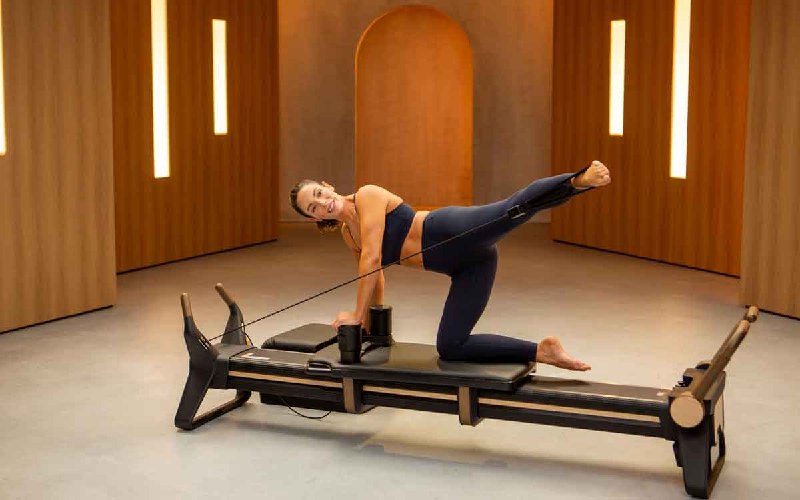
Pilates focuses on posture, breathing and the coordination of movement. It works the deep muscles around the middle of the body and can be done using only body weight or with special equipment. Strength training works differently. It uses dumbbells, weights, machines or resistance bands, and gradually increases the load on the muscles over time.
Why bone density is the real test
Bone health is where the two workouts diverge most sharply. During the menopausal transition, a drop in estrogen causes bone density to fall quickly. Women who are over 50 also tend to lose muscle and bone strength. The guidance warns that people who spend long hours sitting at a desk often show weakened muscles, stiff hips and poor posture.
Bone mass reaches its peak somewhere between the late 20s and early 30s. After that point, protecting what has been built becomes the priority. Muscle strength starts to decline around age 30 and picks up speed after 60, so the years ahead matter as much as the years already behind.
Osteoporosis, the condition that weakens bones, rarely gives early warning signs. Many people only discover it after a minor fall leads to a broken wrist, spine or hip. Men also lose bone strength as they age, which means the advice is not limited to women alone.
What the study found
A study on postmenopausal women showed that high-intensity strength training increased bone density. Pilates did not produce a significant change in bone density in the same research. That gap is the main reason the guidance puts strength training at the foundation of a bone-healthy routine.
Strength training also loads the hips and spine in a way that encourages bone to hold its ground. When muscles around the joints grow stronger, the knees, hips and shoulders get better protection, and balance improves along with them.
Where Pilates pulls its weight
Pilates improves body balance and the coordination of movement, which can lower the risk of falls. It strengthens the core and hip muscles that support the spine. People recovering from an injury and those who are just starting to exercise often find it useful because it builds control without demanding heavy loads.
The catch is that Pilates places limited stress on the bones. That is why it can improve how the body moves without doing as much to rebuild bone density.
The risks of lifting too much, too fast
Strength training is not risk free. Increasing weights suddenly can lead to injuries in the lower back, knees and shoulders. The guidance recommends building the load gradually and matching the effort to the body’s current capacity.
Doing strength training and Pilates regularly, together, is considered the better approach, according to experts.
People with low bone density should take extra care during Pilates. Deep forward bending and intense twisting movements can place stress on a fragile spine, so these need to be done carefully.
A simple weekly plan
The guidance suggests strength training two or three days a week, with Pilates on one or two other days. Walking and balance exercises should be added alongside both. For women with osteoporosis, a doctor’s advice comes first, and the same applies to anyone with a history of broken bones or long-term steroid use.
Nutrition plays a supporting role. Protein-rich food helps the body repair and build muscle. Calcium and vitamin D should be obtained as advised by a doctor. Vitamin D deficiency is common in India, so a blood test is a sensible step for anyone who suspects they may be low.
When to stop and see a doctor
Some symptoms should not be ignored. Persistent back pain, a noticeable loss of height and a rounding or stooping of the back can all point to a bone problem. Stopping exercise altogether is not the answer, though. The better approach is to adjust the workout to what the body can handle and keep moving.
The bottom line
Strength training is the base for building strong bones and muscles, especially as women move through midlife. Pilates adds value by improving balance, posture and movement control. The experts behind the guidance agree that doing both on a regular basis gives women the most complete protection.
TL;DR
- Strength training does more for women’s bones and muscles than Pilates, according to new health guidance.
- Bone density drops quickly after menopause, and a study found high-intensity strength training increased it in postmenopausal women.
- Pilates improves balance, posture and core strength, and it can lower the risk of falls.
- Experts suggest strength training two or three days a week, with Pilates on one or two other days.
- People with osteoporosis or a history of fractures should consult a doctor before starting either workout.