Delhi’s air crossed the AQI 400 mark across a number of neighbourhoods on Sunday morning, and the worst reading came from Punjabi Bagh at 452. The figures come from the Central Pollution Control Board’s data released at 6 am, and they put several parts of the capital firmly in the ‘severe’ category.
Punjabi Bagh was not alone at the top of the list. RK Puram recorded 449, IIT Delhi 446 and Dwarka 444 in the west of the city. Mathura Road logged 425, Siri Fort and North Campus of Delhi University both recorded 423, and Chandni Chowk came in at 417. Pusa stood at 415, Burari Crossing at 411 and NSUT Jaffarpur at 409. Each of these areas is above the 400 line and sits in the severe band.
Some areas dipped just below 400, but the difference is small. Narela recorded 399, ITO 396 and Mandir Marg 393. Uttam Nagar, Burari, Talkatora Garden and Aya Nagar each stood at between 369 and 373. Vasundhara Enclave recorded 356, Tikri Kalan and Badarpur 349 each, Karala 337 and Lodhi Road, where the IITM monitoring station is located, 333. The source reporting makes clear that breathing remains difficult in these localities too, even though they fall short of the 400 threshold.
Why the timing matters
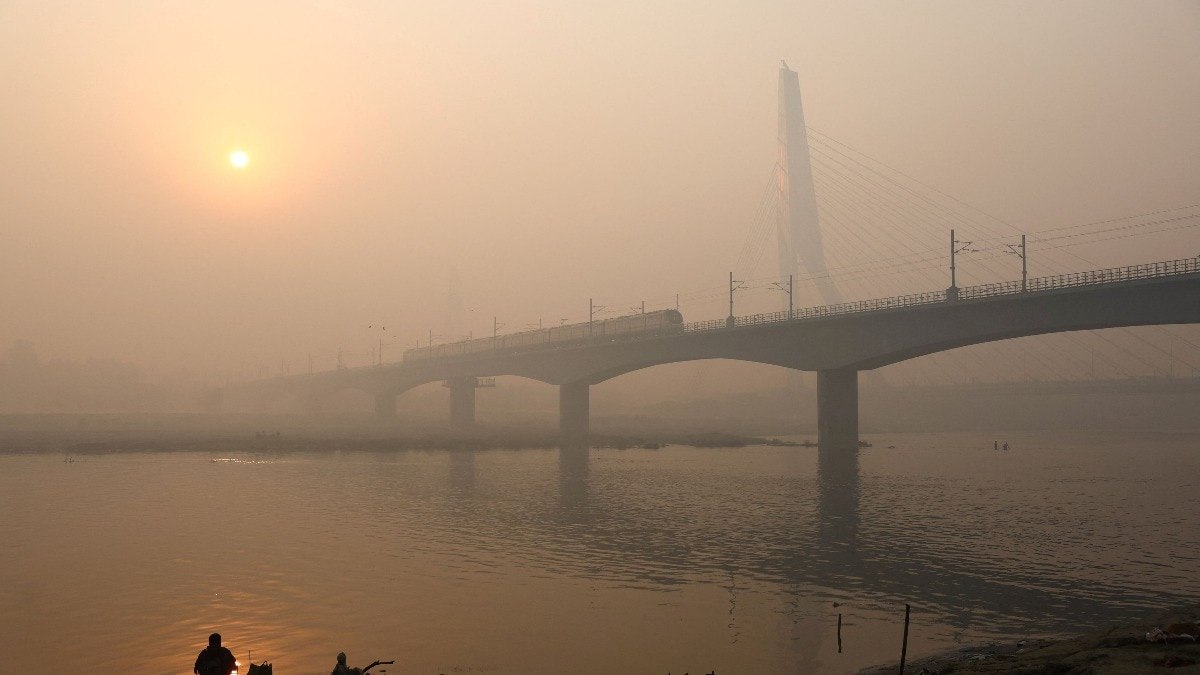
The spike is landing at a bad moment. Diwali is only days away, and the air was already dense with haze across several parts of the city on Sunday morning. Authorities have put GRAP-3 restrictions in place, yet the air quality has not shown any major improvement so far. That gap between enforcement and results is what has residents worried.
GRAP, or the Graded Response Action Plan, is designed to step up measures as pollution climbs. Stage 3 brings tighter curbs on activity that adds to pollution. But the readings this morning suggest that the measures are not yet pulling the numbers down in the most affected zones. Punjabi Bagh, RK Puram and Dwarka have been stuck at levels well above 400, and the morning fog layer has not lifted in many areas.
What the numbers mean for people
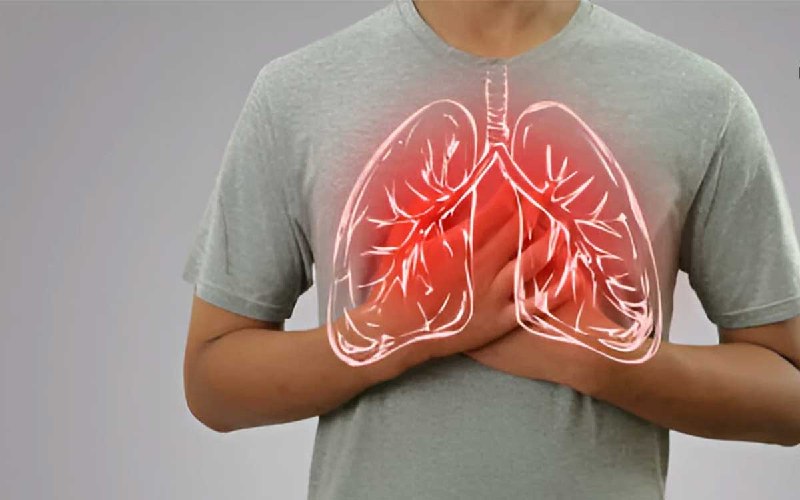
An AQI above 400 is not a number that healthy adults can ignore. Air at these levels can irritate the eyes and throat and make breathing harder, especially during outdoor activity. Children, older adults and people already living with asthma, heart disease or other breathing conditions are usually the first to feel the effects. Even short exposure can be uncomfortable for them.
The sharpest concern is the number of people affected. Punjabi Bagh, RK Puram, IIT Delhi, Dwarka and North Campus sit in busy residential and academic areas where people walk, commute and study every day. When the air looks hazy at dawn and stays heavy through the morning, the simplest choices become difficult. Morning walks, school travel and outdoor sports all come into question.
Residents in neighbourhoods reading below 400 should not assume they are safe. The 333 to 399 band still represents poor air that the source reporting describes as far from easy to breathe. Anyone who has noticed a scratchy throat, watery eyes or a cough over the past few days should take those symptoms seriously and speak to a doctor if they persist.
A city bracing for a difficult week
The readings put pressure on the city’s authorities as well. Enforcement measures have been announced, but the public will judge them by what the air feels like outside their front doors. A reading that stays above 400 in one neighbourhood and drops to 333 in another shows how uneven conditions can be across Delhi on a single morning.
For now, the most useful information is the local reading. Those living near Punjabi Bagh or RK Puram should check their nearest monitoring station before stepping out. Those in areas like Lodhi Road or Tikri Kalan may find relief in the figures, but they are still breathing air that falls in the poor range.
The coming days will show whether GRAP-3 can make any difference before Diwali. What is clear from Sunday morning is that Delhi’s air has not yet found a way down from its most dangerous level, and the people living in these neighbourhoods are the ones paying the price while officials work through the next steps.
TL;DR
- Punjabi Bagh recorded the worst AQI in Delhi at 452 in the CPCB’s 6 am data on Sunday.
- RK Puram (449), IIT Delhi (446) and Dwarka (444) also stayed deep in the severe category.
- Several areas, including Mathura Road, North Campus and Chandni Chowk, remained above 400.
- GRAP-3 restrictions are in place, but air quality has shown no major improvement ahead of Diwali.
- Even areas below 400, such as Lodhi Road at 333, still have air described as difficult to breathe.