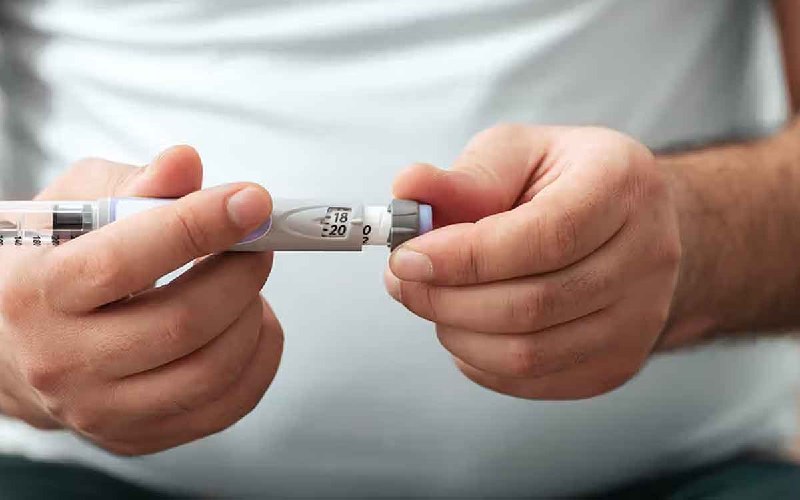

The World Health Organization has set new development targets for long-acting tuberculosis injections, aiming to end the need for patients to swallow multiple pills every day for months. The guidance was released on October 28, and it spells out what future TB injectables should be able to do.
Two targets stand out. The first is a single injection for people who carry TB infection but do not have active disease, given as part of preventive treatment. The second is treatment for active TB, delivered through injections over no more than four months, in three doses or fewer.
The WHO said these injectables should be at least as effective and as safe as the oral medicines already in use. Long-acting injectables release their medicine gradually into the body, which cuts down how often a patient has to take tablets.
A single injection could be enough to prevent TB in people who have the infection but are not yet sick.
The same long-acting technology is already used in HIV prevention and treatment, mental health care, opioid dependence and contraception. TB is the newest target for it.
Why the current system is hard on patients. Right now, TB patients often take several different drugs every day for months. Financial strain, living far from hospitals and side effects make it hard for many people to finish the course. Stopping medicines midway does more than hurt the chances of recovery. It also raises the risk of drug resistance, which makes the disease harder to treat for everyone.
The scale of the problem in India. India has the highest number of TB cases in the world. According to a WHO report from 2025, about 10.7 million people fell ill with TB globally in 2024, and roughly 1.23 million died. India accounted for about 25 percent of global cases. The government is pushing early detection, easier access to treatment, regular medicine use and nutritional support through the National TB Elimination Programme.
Families in lower-income groups feel the pressure most. Repeated hospital visits, time off work and strict medicine schedules can become unmanageable over months. Longer-acting treatment could make the process far simpler, which is why the WHO targets have drawn attention.
The catch: these injections are not available yet. The injections in development are still in research and clinical trial stages. The WHO announcement sets goals for future medicines, not approved treatments. Before any of these injections reach routine care, they must pass clinical trials, safety reviews and approval from regulatory authorities.
Even after approval, practical questions will decide how far the injections reach. Cost and availability matter, as do medical facilities and the ability to deliver the shots in remote areas. The WHO said the injections should be given by trained health workers, be small in volume and not need special cold storage. Those features could help clinics in places where refrigeration and specialist staff are scarce.
What patients should do right now. Current TB treatment protocols remain the only approved route. Patients should not stop prescribed medicines because of news about future injections, and they should not take injections that have not been approved. The WHO also said oral medicines should remain available for patients who prefer them.
Early diagnosis, drug resistance testing, good nutrition, treatment for other health conditions and continuous medical supervision remain essential, even if new injections arrive. The WHO position suggests the injections would add a tool to the existing system rather than replace the basics.
What comes next. If these injectables succeed, patients could see a lighter burden in both prevention and treatment. Whether they do will depend on how they perform in trials, how much they cost, whether they are safe for wide use and how well they fit India’s health system. Those answers are still years away, but the WHO has now set the bar that every new TB injection will have to clear.
TL;DR
- WHO has set targets for long-acting TB injections, including one shot to prevent TB in people with infection but no active disease.
- The guidance, released October 28, also sets a goal of treating active TB in no more than four months.
- New injectables must be at least as safe and effective as current oral TB medicines, according to the WHO.
- India has the highest number of TB cases globally, accounting for about 25 percent of cases worldwide.
- The injections are still in research and clinical trials and are not yet available in India.
- Patients should continue current approved TB treatment and must not stop medicines based on this news.