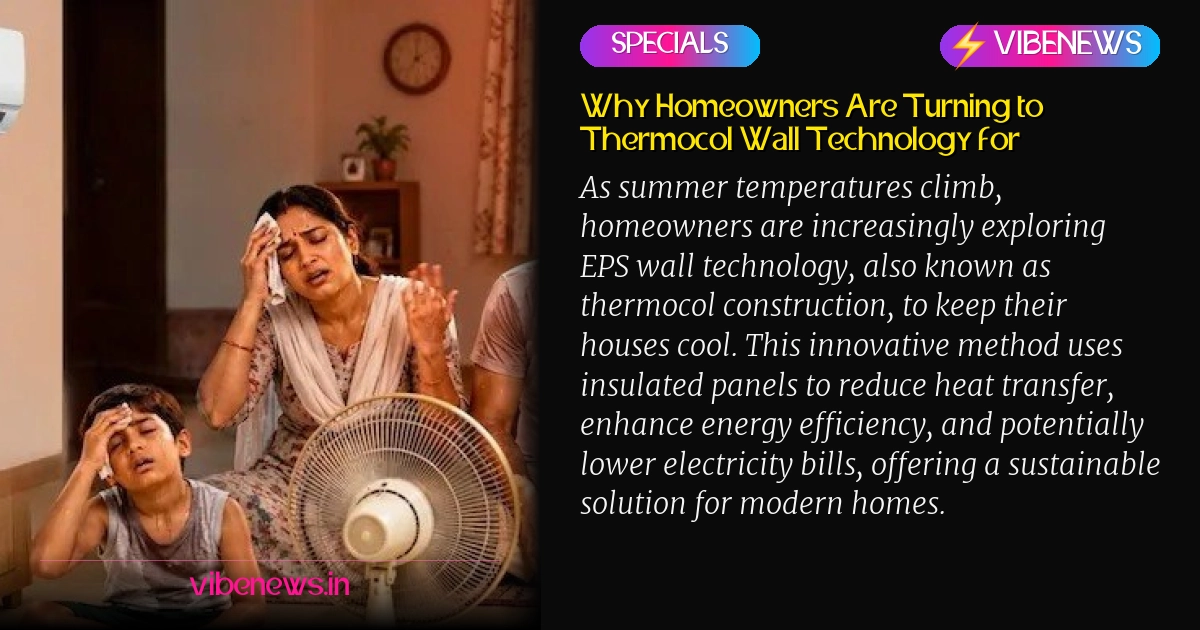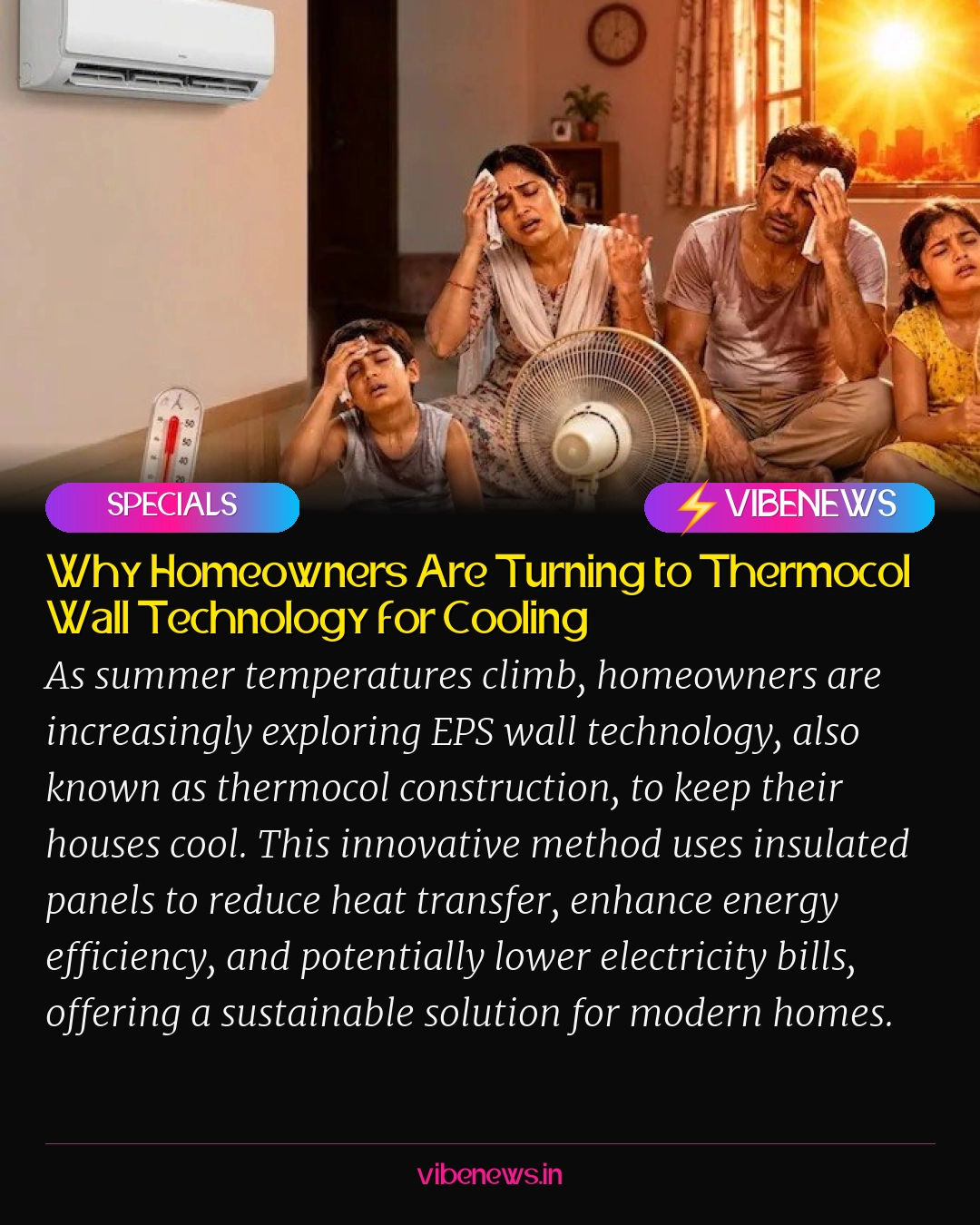
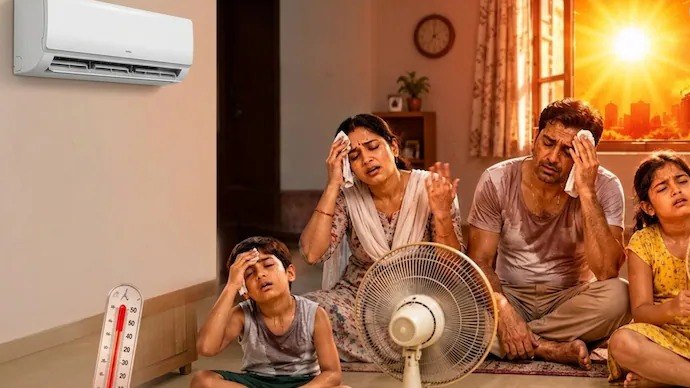
Homeowners across India are increasingly considering Expanded Polystyrene (EPS) wall technology, commonly known as thermocol house construction, as a viable solution to combat rising summer temperatures and reduce reliance on conventional air conditioning. This construction method, which utilizes specialized panels made from a lightweight, insulating material, is gaining traction for its ability to keep indoor spaces cooler while simultaneously lowering energy consumption.
The core appeal of EPS wall technology lies in its superior thermal insulation properties. Expanded Polystyrene, a rigid foam material, is created by expanding polystyrene beads, resulting in a structure that traps a significant amount of air. This trapped air acts as a natural barrier, effectively slowing down the transfer of heat from the scorching exterior into the home’s interior. Consequently, houses built or retrofitted with EPS panels can maintain more stable and comfortable indoor temperatures, even during prolonged heatwaves.
This enhanced insulation directly translates into tangible benefits for residents. By minimizing the amount of external heat penetrating the walls, the demand on cooling systems like air conditioners is significantly reduced. This not only leads to a more comfortable living environment but also results in substantial savings on electricity bills, a critical factor for many households facing escalating energy costs. The technology offers a passive cooling approach, lessening the need for active, energy-intensive cooling methods.
Beyond its primary function of thermal regulation, EPS construction presents several other practical advantages. The panels are remarkably lightweight, which simplifies transportation and installation processes, potentially reducing construction timelines and labor costs. Their light weight also means they add minimal structural load to a building, making them suitable for various construction projects, including new builds and renovations aimed at improving energy performance.
Builders and architects are increasingly integrating EPS into various components of a building’s envelope, including roofs and walls, to optimize thermal performance. This holistic approach ensures that the entire structure contributes to maintaining a consistent indoor climate, moving towards more energy-efficient and sustainable building practices. The material’s versatility allows it to be incorporated into diverse architectural designs without compromising structural integrity.
While the benefits of EPS are clear, experts emphasize the importance of proper installation to ensure long-term effectiveness and durability. Key considerations include adequate moisture protection, effective ventilation systems, and the application of suitable protective layers. EPS is typically used in conjunction with other building materials, rather than as a standalone solution, forming part of a comprehensive, energy-efficient building system.
As the global climate continues to warm and the frequency of extreme weather events increases, the demand for energy-efficient homes and passive cooling solutions is set to grow. EPS wall technology stands out as a promising construction option that effectively combines insulation capabilities with enhanced comfort and reduced energy use, offering a practical pathway towards more resilient and sustainable housing in the future.
TL;DR
- Homeowners are increasingly adopting Expanded Polystyrene (EPS) wall technology, also known as thermocol construction, to cool their homes.
- This method uses lightweight EPS panels that contain trapped air, acting as a barrier to heat transfer.
- The primary benefit is superior thermal insulation, keeping indoor temperatures more stable during hot weather.
- Reduced heat transfer significantly lowers the demand on air conditioning systems, leading to lower electricity bills.
- EPS panels are lightweight, making them easier and potentially faster to transport and install.
- Proper installation, including moisture protection and ventilation, is crucial for the long-term performance of EPS systems.
- EPS is typically integrated with other building materials rather than used as a standalone solution.
- The technology represents a growing trend towards energy-efficient and passive cooling solutions in modern construction.