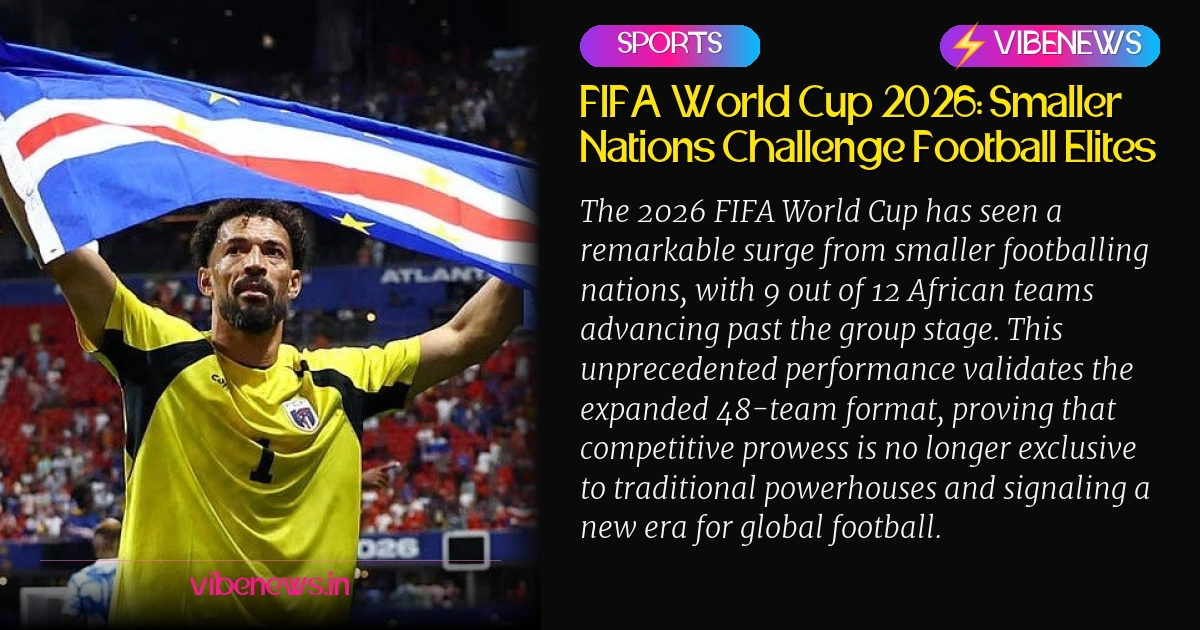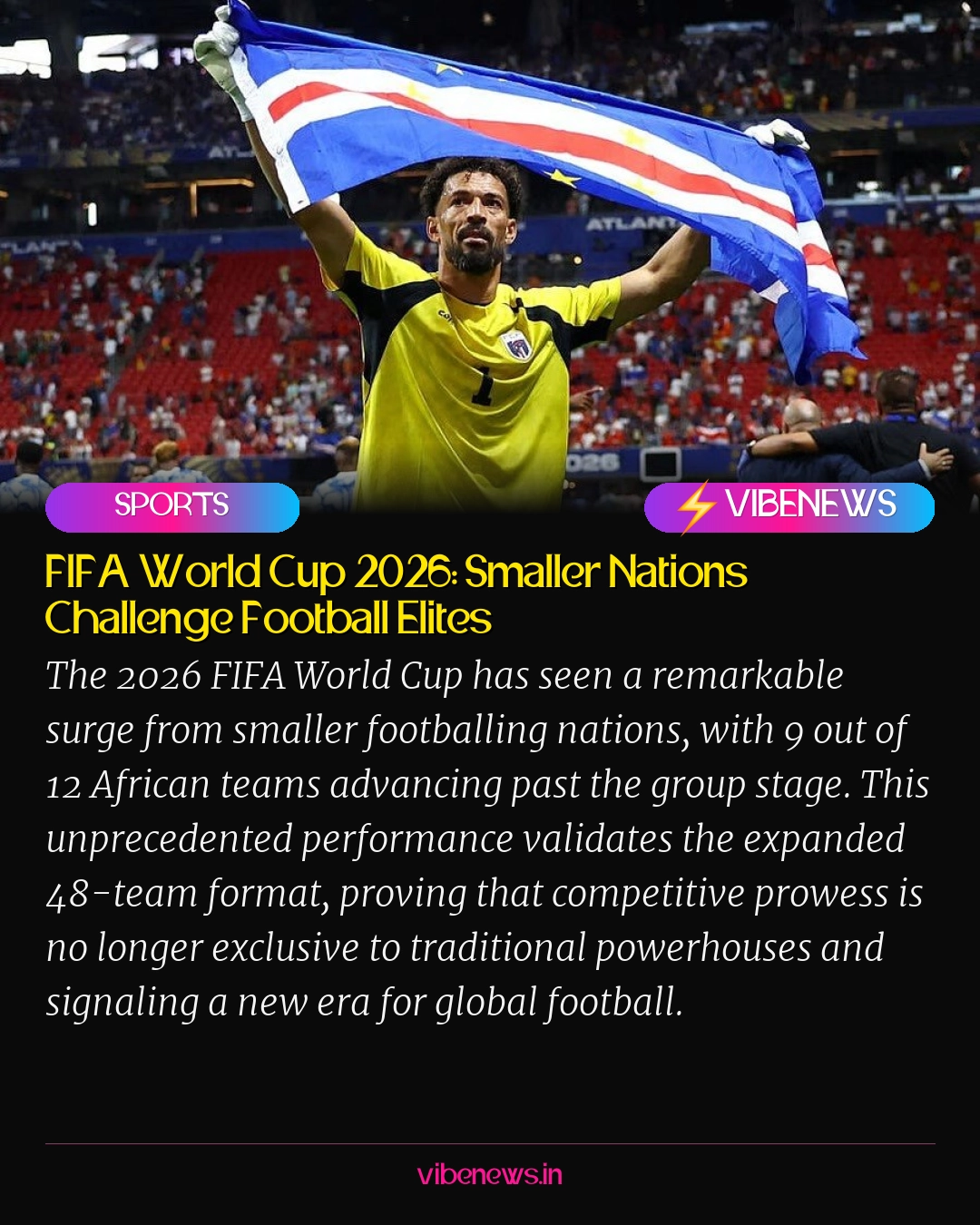
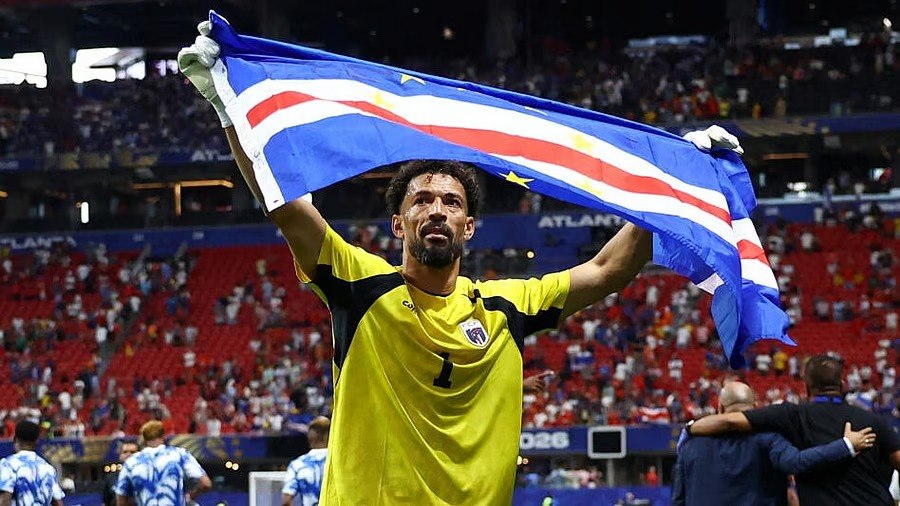
The FIFA World Cup 2026 has unequivocally validated its expanded 48-team format, as traditionally smaller footballing nations have delivered stunning performances, challenging established elites and sending favorites reeling. A remarkable nine out of twelve African nations advanced beyond the group stage, with two reaching the prestigious Round of 16, showcasing a significant global shift in competitive balance.
This quadrennial extravaganza, reaching its business end, has seen teams previously considered underdogs inject new steel and spine into the tournament. Their unexpected success debunks earlier fears of lopsided matches and highlights a growing democratization of the sport on the world stage, as reported on July 4, 2026.
The Rise of Underdogs: A New World Order in Football?
The 2026 FIFA World Cup is proving to be a watershed moment for international football, demonstrating that the gap between the sport’s traditional powerhouses and emerging nations has significantly narrowed. Teams like Cape Verde and Paraguay, often overlooked, have shown tactical sophistication and physical parity, pushing giants such as Argentina and Germany to their limits in fiercely contested matches.
This competitive surge from a diverse array of nations underscores a fundamental shift in global football dynamics. It suggests that success is increasingly attainable through strategic investment in player development, advanced coaching methodologies, and sports science, rather than being solely dependent on historical legacy or economic might.
African Teams Lead the Charge with Historic Progress
African nations have been particularly instrumental in redefining expectations at the FIFA World Cup 2026. An impressive nine out of the twelve African teams participating in the tournament successfully navigated the challenging group stage, a record achievement that highlights the continent’s growing footballing prowess.
Furthermore, two of these African representatives advanced to the Round of 16, a testament to their improved global competitiveness. This success is a direct result of enhanced coaching, better sports science integration, and more robust player development pathways across the continent, aligning perfectly with FIFA’s mandate for global growth.
Non-European Breakthroughs Redefine Competition
Beyond Africa, the tournament has witnessed significant breakthroughs from other non-European teams, signaling a broader shift in football’s geographical balance. Nine non-European teams, including all three CONCACAF host nations and four strong South American sides, successfully reached the Round of 16.
This widespread success from diverse regions challenges the long-standing dominance of European and traditional South American giants. It indicates a more equitable distribution of talent and competitive strength across the globe, making the tournament more unpredictable and exciting for fans worldwide.
Validating FIFA’s Vision for Global Growth
The exceptional performances of smaller nations at the FIFA World Cup 2026 serve as a powerful vindication of FIFA’s decision to expand the tournament to 48 teams. This expansion was driven by a vision to foster global football development and provide more opportunities for nations to compete at the highest level.
The current results demonstrate that this vision is being realized, with the tournament maintaining high levels of competitiveness and delivering compelling matches. The narrowing gap between footballing nations is a direct outcome of increased investment and strategic development efforts championed by FIFA and its member associations.
Tactical Prowess and Player Development Drive Success
The ability of these smaller nations to compete fiercely against established footballing powers is not merely a stroke of luck. It reflects significant advancements in tactical understanding, physical conditioning, and player development programs.
Many of these teams now employ sophisticated strategies, utilize cutting-edge sports science, and benefit from players gaining experience in top leagues globally. This holistic approach has enabled them to achieve tactical and physical parity, allowing them to execute game plans effectively and challenge opponents at the highest level.
What This Means for Future World Cups
The success of smaller nations at the FIFA World Cup 2026 heralds a new era for international football. Future tournaments are likely to be even more unpredictable, with a wider pool of genuinely competitive teams vying for the ultimate prize.
This increased competitiveness will undoubtedly lead to more thrilling matches, greater global engagement, and potentially more diverse champions in the long run. It reinforces the idea that with dedication, strategic development, and opportunity, any nation can aspire to reach the pinnacle of world football.
TL;DR
- The expanded 48-team <strong>FIFA World Cup 2026</strong> format has been validated by the strong, competitive performances of traditionally smaller footballing nations.
- An unprecedented <strong>nine out of twelve African teams</strong> advanced past the group stage, with two reaching the Round of 16, showcasing significant continental progress.
- <strong>Nine non-European teams</strong>, including all three CONCACAF host nations and four South American sides, also reached the Round of 16, indicating a global shift in football power.
- Teams like <strong>Cape Verde</strong> and <strong>Paraguay</strong> demonstrated tactical and physical parity, challenging football giants such as Argentina and Germany.
- This competitive surge reflects global advancements in coaching, sports science, and player development, aligning with FIFA’s mandate for worldwide football growth.