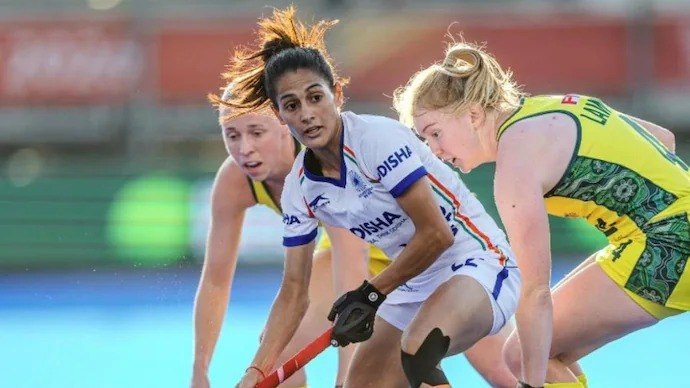
The dream of a Hockey World Cup semi-final berth for the Indian women’s team came to a heartbreaking end following a goalless draw against Australia in Amstelveen. Despite a valiant defensive effort, the inability to convert crucial scoring opportunities ultimately sealed their fate, with Australia progressing on goal difference.
Captain Salima Tete, visibly emotional after the match, articulated the team’s profound disappointment. She acknowledged the fine margins that define elite sports, stating, "We don’t feel good, we came so close, but we let this game go out of her hands. We need to learn from this match." Her words underscored a collective understanding that while the effort was there, the decisive touch was missing.
The Decisive Encounter in Amstelveen
The match against Australia was a high-stakes affair, with both teams knowing that a win was essential for progression. India’s defensive unit, often lauded for its resilience, stood firm against the Hockeyroos’ attacks. They successfully referred two Australian goals, showcasing their tactical awareness and the effectiveness of their video referral system.
However, the narrative of the game for India was dominated by a series of squandered chances in the attacking third. Just before half-time, a well-executed penalty-corner variation found Nikki unmarked, but her attempted shot agonizingly missed the target with the goal gaping. This moment encapsulated the frustration that would define India’s performance.
Further opportunities arose in the second half. Deepika failed to make clean contact after a promising build-up involving Navneet and Baljeet. In the final quarter, Salima’s excellent low cross found Navneet inside the circle, but hesitation between Navneet and Lalremsiami allowed the Australian defense to recover and snuff out the threat. These instances highlighted a recurring challenge for the team: creating chances but lacking the clinical finish.
In a desperate attempt to break the deadlock, India removed goalkeeper Bichu Devi with five minutes remaining, opting for an extra outfield player. This bold tactical move, while demonstrating their intent, ultimately did not yield the desired result, as they failed to create a clear opening against a resolute Australian defense.
A Campaign of Mixed Fortunes
India’s World Cup journey had been a rollercoaster of emotions and performances. They began their campaign with a hard-fought 2-2 draw against China, demonstrating their fighting spirit. This was followed by an emphatic 6-1 victory over South Africa, which showcased their attacking prowess and boosted morale.
A goalless draw against England then set up a crucial encounter against the Netherlands, where they suffered a 0-2 defeat. These results meant that the final group stage match against Australia became a do-or-die situation. The team had shown flashes of brilliance, but consistency in converting opportunities remained an elusive factor throughout the tournament.
Echoes of Tokyo and Future Aspirations
The memory of India’s stunning 1-0 victory over Australia in the Tokyo Olympic quarter-finals loomed large over this encounter. That historic win had propelled the team into the semi-finals and captured the nation’s imagination. There was an unspoken hope that they could replicate that magic, especially with another semi-final spot on the line.
However, the pressure of the World Cup stage and the tactical discipline of the Australian side proved to be a different challenge. While the defensive solidity was reminiscent of their Olympic performance, the attacking spark needed to break down a top-tier defense was not consistently present.
Despite the exit from the semi-final race, Captain Tete’s resolve remained unshaken. "We lose as a team, we’ll fight to finish fifth, this World Cup isn’t finished for us," she declared. This statement reflects the team’s commitment to ending the tournament on a high note, securing valuable ranking points, and maintaining their competitive spirit for future challenges.
Editorial Context
Beyond the Scoreline: A Long-Term View
India’s exit from the Women’s Hockey World Cup, while immediately disappointing, offers a crucial learning opportunity for the team and the sport in the country. This development is not merely about a single tournament result but reflects the ongoing journey of a team striving for consistent global competitiveness. The fine margins witnessed against Australia underscore the need for continuous refinement in skill, strategy, and mental fortitude.
Investment and Sustained Development
The performance highlights the critical importance of sustained investment in grassroots hockey, advanced coaching methodologies, and sports science. Bridging the gap with top-tier nations like Australia and the Netherlands requires a holistic approach that nurtures talent from a young age and provides them with world-class training facilities and exposure. This setback should serve as a catalyst for further strengthening the foundational aspects of Indian women’s hockey.
Inspiring the Next Generation
Regardless of the outcome, the Indian women’s hockey team continues to serve as powerful role models for aspiring athletes across the nation. Their dedication, resilience, and pursuit of excellence inspire countless young girls to take up the sport. Maintaining the team’s visibility and ensuring continued public engagement are vital for fostering a vibrant hockey culture and securing a robust talent pipeline for the future.
The Mental Fortitude Required
Elite sports demand not only physical prowess but also immense mental strength. The experience of coming so close yet falling short in a major tournament will undoubtedly shape the team’s psychological approach to future competitions. Learning to handle pressure, converting crucial chances under duress, and bouncing back from setbacks are invaluable lessons that will contribute to their growth as a formidable international force.
TL;DR
- India’s women’s hockey team was eliminated from the World Cup after a goalless draw against Australia.
- Captain Salima Tete expressed regret over the team’s failure to convert crucial scoring opportunities during the match.
- Australia advanced to the semi-finals based on goals scored, despite India’s strong defensive performance.
- Key missed chances for India included a penalty corner by Nikki and hesitation between Navneet and Lalremsiami in the circle.
- India’s World Cup campaign included a win, two draws, and two losses before their exit from the semi-final contention.
- The team will now compete in the 5th-place playoff, aiming to finish the tournament strongly, as stated by Captain Tete.