A Lingering Distraction on Court
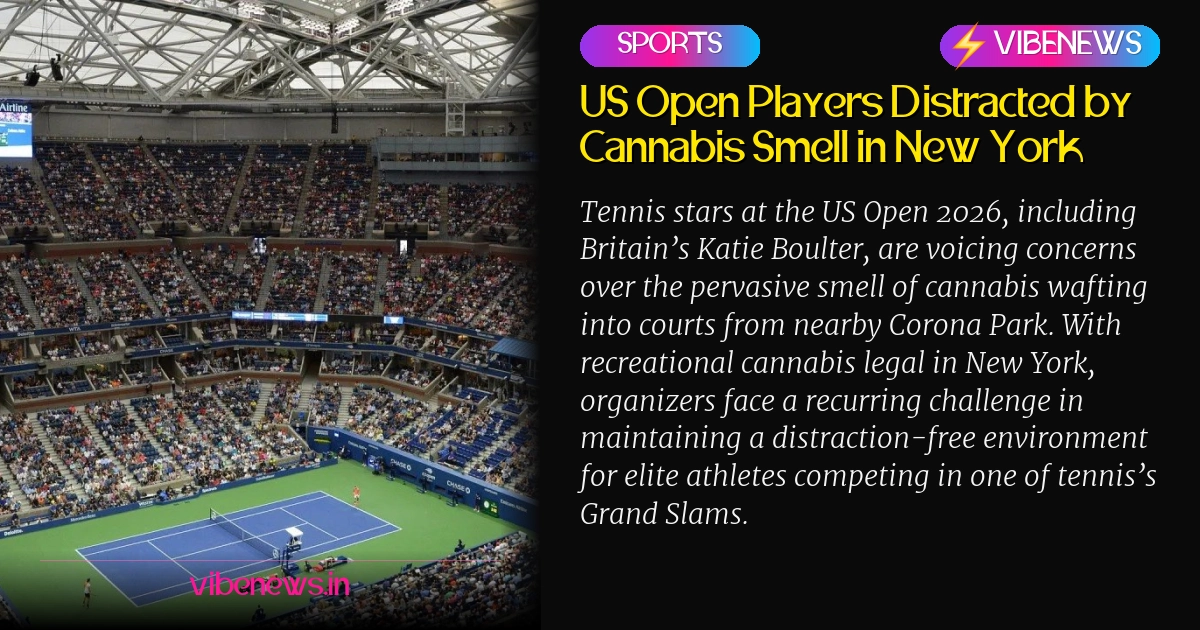
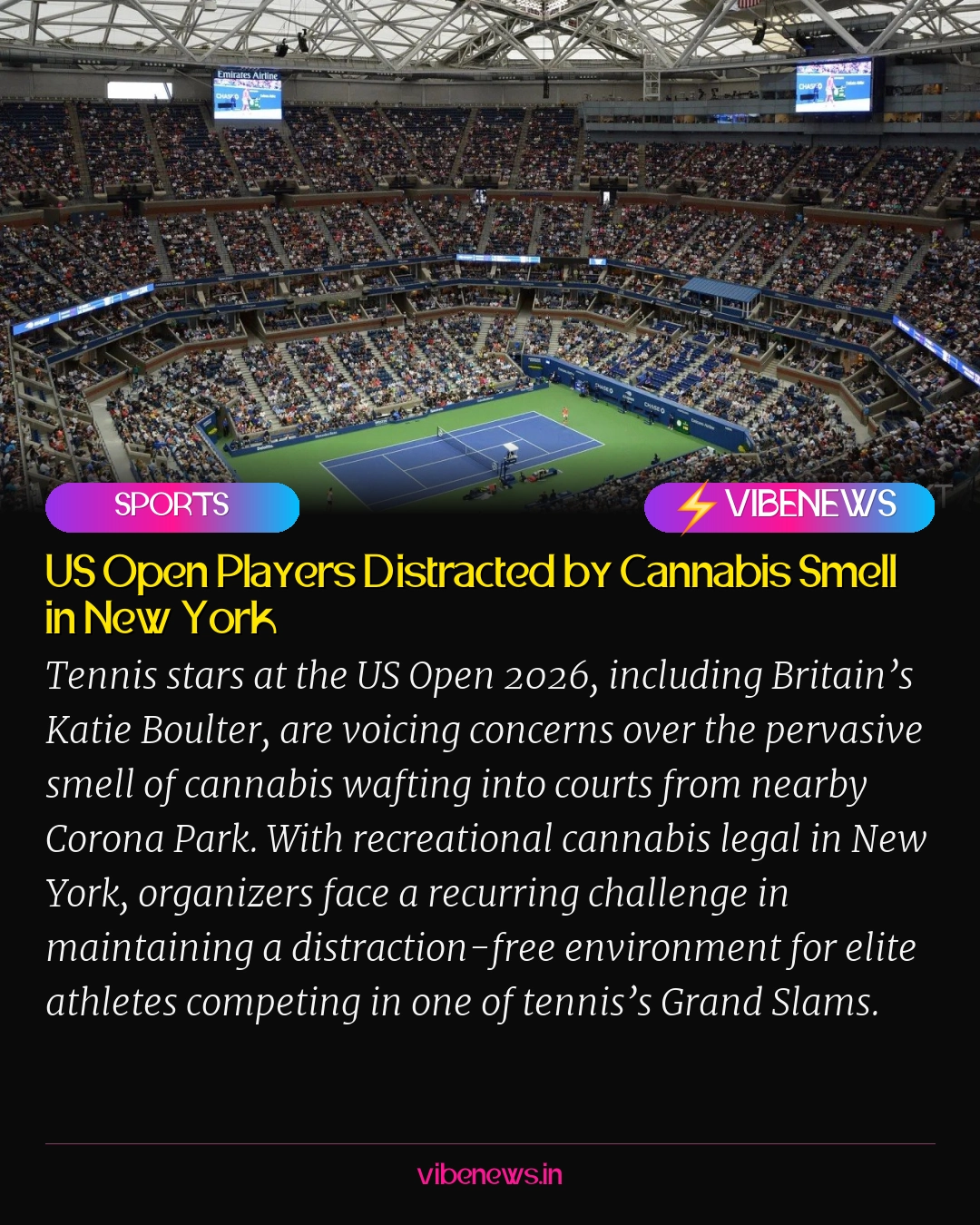
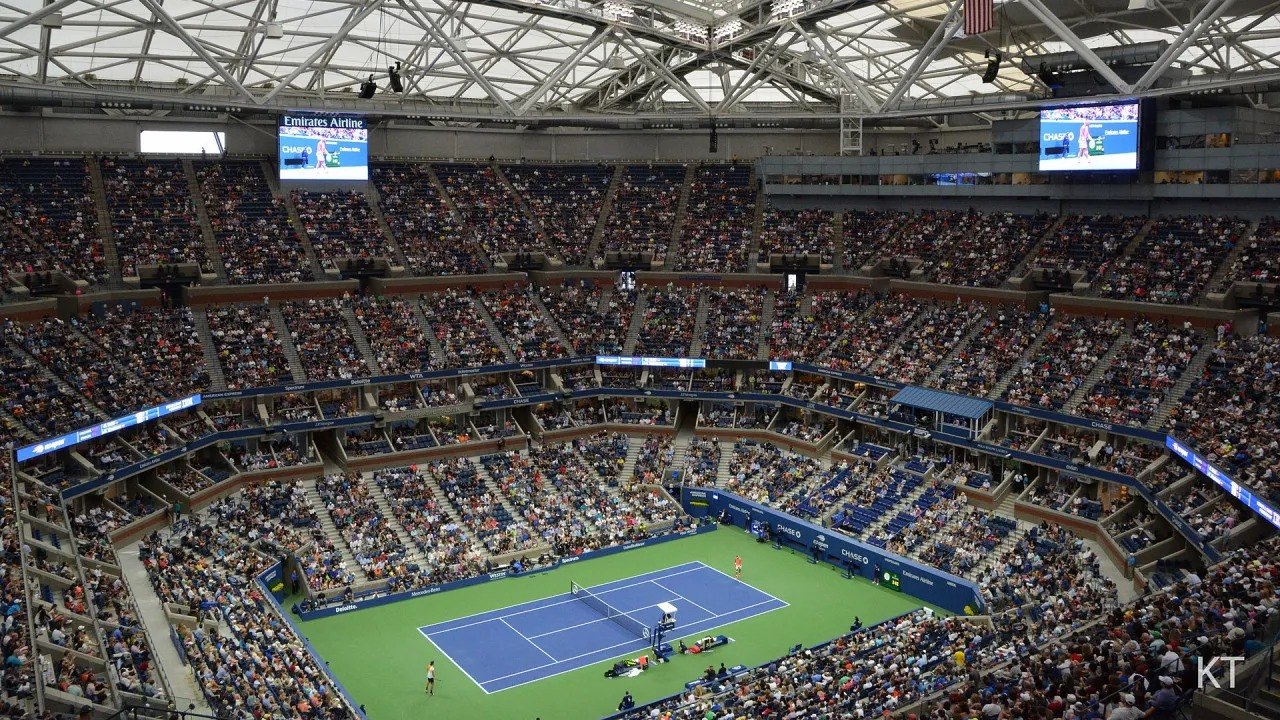
As the main draw of the US Open 2026 commences, a familiar and unwelcome scent has once again permeated the grounds of the USTA Billie Jean King National Tennis Center. Several players have voiced complaints about the distinct smell of cannabis, a substance legally permitted for adult use in New York State. This recurring issue presents a unique challenge for organizers striving to maintain an optimal competitive environment for the world’s top tennis athletes.
Britain’s No.1 player, Katie Boulter, currently ranked World No.60, was among the first to speak out. Preparing for her opening match against USA wildcard Carol Young Suh Lee, Boulter noted the strong odor during her practice sessions. She expressed her discomfort, stating, "I’m not a huge fan of it. I know a lot of players have complained on some of the specific courts. I’ve played on one before, and I did smell it during my match." For Boulter, the smell is a significant impediment to focus, pulling her out of the crucial moments of intense competition.
Player Voices on the Pervasive Odor
Boulter’s sentiments were echoed by other British players, highlighting a shared experience across the tournament. Fran Jones recalled a humorous yet telling incident from the previous year, where she questioned if the smell was normal while playing in a stadium adjacent to Corona Park. This year, her resolve is to "lock in, lock in!" as she prepares to face Poland’s Magda Linette, underscoring the mental effort required to overcome such distractions.
Harriet Dart, who successfully navigated the qualifiers to reach the main draw, offered a more pragmatic view. Acknowledging the ubiquity of the smell across New York City, Dart remarked, "I mean it’s New York. It’s New York. I feel like everywhere you walk around, it’s everywhere, no? It is what it is. Same for everyone." While accepting the reality, her comments still underscore the pervasive nature of the issue within the tournament’s vicinity.
Organizer’s Stance and Operational Challenges
The United States Tennis Association (USTA), the organizer of the US Open, has acknowledged the complaints. In a statement, the USTA affirmed its commitment to vigilance, stating, "While we can’t control what takes place off the grounds of the USTA Billie Jean King National Tennis Center, we continue to be vigilant as we maintain this." This response highlights the inherent difficulty faced by event organizers when local laws permit activities that, while legal, can inadvertently impact the specific requirements of a high-performance sporting event.
The USTA’s position reflects a delicate balancing act. They must respect local ordinances while simultaneously ensuring a fair and distraction-free environment for athletes. The proximity of the tennis center to Flushing Meadows-Corona Park, a large public space where legal cannabis consumption can occur, makes managing external environmental factors particularly challenging for the open-air courts.
A Recurring Issue for the Grand Slam
This is not the first time the US Open has grappled with this particular sensory intrusion. The issue has become a recurring theme in recent years, indicating a persistent challenge for the tournament. In 2025, World No.20 Casper Ruud famously described the cannabis smell as the "worst thing" about New York, expressing his strong disapproval.
Further back, in 2022, Australian firebrand Nick Kyrgios complained that his asthma was triggered by a fan smoking courtside, directly impacting his physical well-being during a match. The following year, during the 2023 US Open, Greek tennis star Maria Sakkari also publicly voiced her frustration about smelling cannabis during her set. These repeated incidents underscore that the current complaints are part of a larger, ongoing narrative for the tournament.
New York’s Evolving Cannabis Landscape
The backdrop to these player complaints is New York State’s progressive stance on cannabis legalization. The Marijuana Regulation and Taxation Act (MRTA), signed into law in March 2021, legalized adult-use recreational cannabis for individuals aged 21 and over. This legislation permits the possession and consumption of cannabis in public spaces where tobacco smoking is allowed, with certain restrictions.
Since its legalization, New York has seen a gradual rollout of licensed dispensaries and an increase in public consumption. While the law aims to create a regulated market and address social equity, it also means that the scent of cannabis has become a more common feature of the urban soundscape, particularly in parks and public gathering areas like those surrounding the US Open venue. This legal framework, while progressive, inevitably creates unique environmental considerations for major public events.
Impact on Elite Athletic Performance
For professional tennis players, maintaining peak concentration is paramount. The sport demands intense focus, split-second decision-making, and precise execution under immense pressure. Any sensory distraction, especially a strong and pervasive odor, can disrupt an athlete’s mental state, breaking their rhythm and potentially affecting their performance.
Athletes often strive to create a mental ‘bubble’ during competition, shielding themselves from external stimuli. A strong, unexpected smell can penetrate this bubble, diverting attention and causing irritation. While some players might be less affected, others, like Boulter, find it genuinely distracting, highlighting the individual sensitivities that can impact competitive fairness, even if the conditions are technically ‘the same for everyone.’
Editorial Context
The recurring issue of cannabis smell at the US Open is more than just a series of player complaints; it’s a significant case study in the evolving intersection of public policy, urban environment, and elite sports. As more jurisdictions worldwide move towards cannabis legalization, major international events hosted in these areas will increasingly face similar challenges. This situation forces event organizers to confront how local freedoms and public consumption laws interact with the specific, often stringent, requirements of high-stakes professional competition.
Over the long term, this development could prompt deeper considerations for urban planning around major sports venues, potentially influencing future venue design or the implementation of stricter enforcement zones during events. It also raises questions about the definition of a ‘controlled environment’ in modern sports and how organizers can mitigate external factors without infringing on local legal rights. The US Open’s experience serves as an important barometer for how major cities and global sporting bodies will adapt to these new societal norms, balancing public access and individual liberties with the integrity and focus demanded by world-class athletic performance.
TL;DR
- Players at the US Open 2026, including Britain’s Katie Boulter, are complaining about the strong smell of cannabis affecting their focus during matches and practice.
- The odor is reportedly wafting into outside courts from nearby Corona Park, where recreational cannabis is legal in New York for adults over 21.
- The United States Tennis Association (USTA) acknowledges the issue, stating they remain "vigilant" despite not controlling activities off the grounds.
- This is a recurring problem for the tournament, with similar complaints from players like Casper Ruud (2025), Nick Kyrgios (2022), and Maria Sakkari (2023) in previous years.
- New York’s Marijuana Regulation and Taxation Act (MRTA) of 2021 permits public cannabis consumption where tobacco smoking is allowed, creating a unique challenge for event organizers.
- The situation highlights the ongoing tension between evolving public consumption laws and the need for a distraction-free environment in elite professional sports.