France has formally blamed Iran’s Revolutionary Guard for a cyberattack that pushed the cooling systems of about 700 supermarkets and shops across the country to nearly 50 degrees Celsius. Paris prosecutors announced the findings in a statement on Monday, and the French government has summoned Iran’s ambassador to register a strong protest.
The attack struck on 12 October. Hackers took control of the refrigeration systems, raised the temperature to around 50 degrees, and kept it there for roughly six hours. Fresh and frozen stock inside the stores was ruined. Companies had no option but to throw it away.
The supermarket chain Intermarché said it lost tens of millions of euros in a single day. Stores that run on cold storage have very little margin when a refrigeration system fails, and a six-hour temperature spike at that level is enough to spoil meat, dairy, vegetables and frozen goods in bulk. The losses were not limited to one chain, because the hackers reached hundreds of outlets.
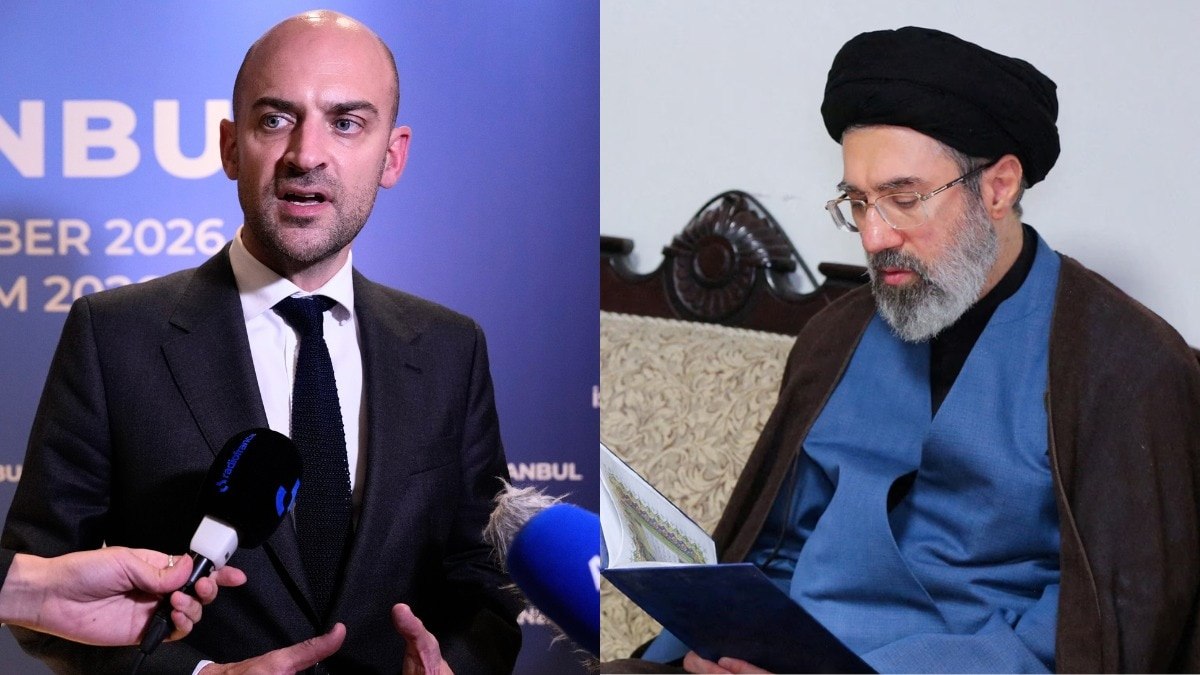
French Foreign Minister Jean-Noël Barrot made the accusation public while speaking in Paris during G7 talks. He described the operation in blunt terms.
“This is an attack of unprecedented scale and aggressiveness. It is the first major cyberattack aimed at sabotage on French soil, and it poses a major threat to our national interests and the safety of the French people. That is why it will not go unanswered.”
Barrot said sanctions would be imposed on those responsible at the European level. That would require the European Union to act together, which is a slower and more complicated process than a single national measure. He did not provide a timeline in the reporting available.
The legal side of the case moved in parallel. Paris prosecutor Laure Beccuau said a judicial inquiry had been opened under the heading of organised cybercrime. Investigators found that the attackers used IP addresses linked to the Persian language and to equipment located in Iran. Those technical markers helped shape the conclusion that the operation was state-linked rather than the work of an ordinary criminal gang.
According to the prosecutors, the investigation has identified the Revolutionary Guard’s cyber unit as the force behind the attack. The inquiry is focused on Shahid Kaveh, who is described as the head of that cyber unit, his two deputies, and other people allegedly involved. The prosecutor’s office has asked for international arrest warrants to be issued against them. The request is a step in the process, and no arrests have been reported in the material available.
The Revolutionary Guard Corps is a paramilitary force in Iran with a major role in the country’s security apparatus. Its link to a cyberattack on civilian infrastructure in a European country raises the stakes well beyond the cold storage industry. Governments treat attacks that can disrupt food supply chains, power, water and healthcare as a security issue, and this case has been framed in exactly those terms by French officials.
The attack also comes at a time when French institutions have faced other digital intrusions. A separate report in the same coverage described hackers targeting a blood bank in France and changing freezer settings from minus 30 to 110 degrees. The two episodes are reported as distinct incidents, but together they show how much of everyday life now depends on connected control systems that can be manipulated remotely.
What happens next depends on how far the European process goes and whether the international arrest warrants are issued and executed. Diplomatic pressure, sanctions and legal action can run on different timelines, and each carries its own risks. For now, the French position is clear. Paris is treating the supermarket attack as a deliberate act of sabotage on French soil, and it has said publicly that the response will not be silent.
No immediate response from Tehran was included in the reporting available. The accusations remain the position of the French prosecutors and government, and the findings are based on the investigation so far. Readers should note that the claims have not yet been tested in court, and that a formal attribution by one country does not by itself settle the question of who carried out the attack.
TL;DR
- Paris says Iran’s Revolutionary Guard was behind an October 12 cyberattack on French supermarkets.
- Hackers pushed cooling systems at about 700 stores to nearly 50°C for roughly six hours.
- Fresh and frozen food was ruined, and the Intermarché chain claimed losses in the tens of millions of euros in one day.
- France’s foreign minister summoned Iran’s ambassador and promised EU-level sanctions against those responsible.
- Prosecutors are seeking international arrest warrants for the cyber unit’s head and two deputies.