Context of the Phone Call
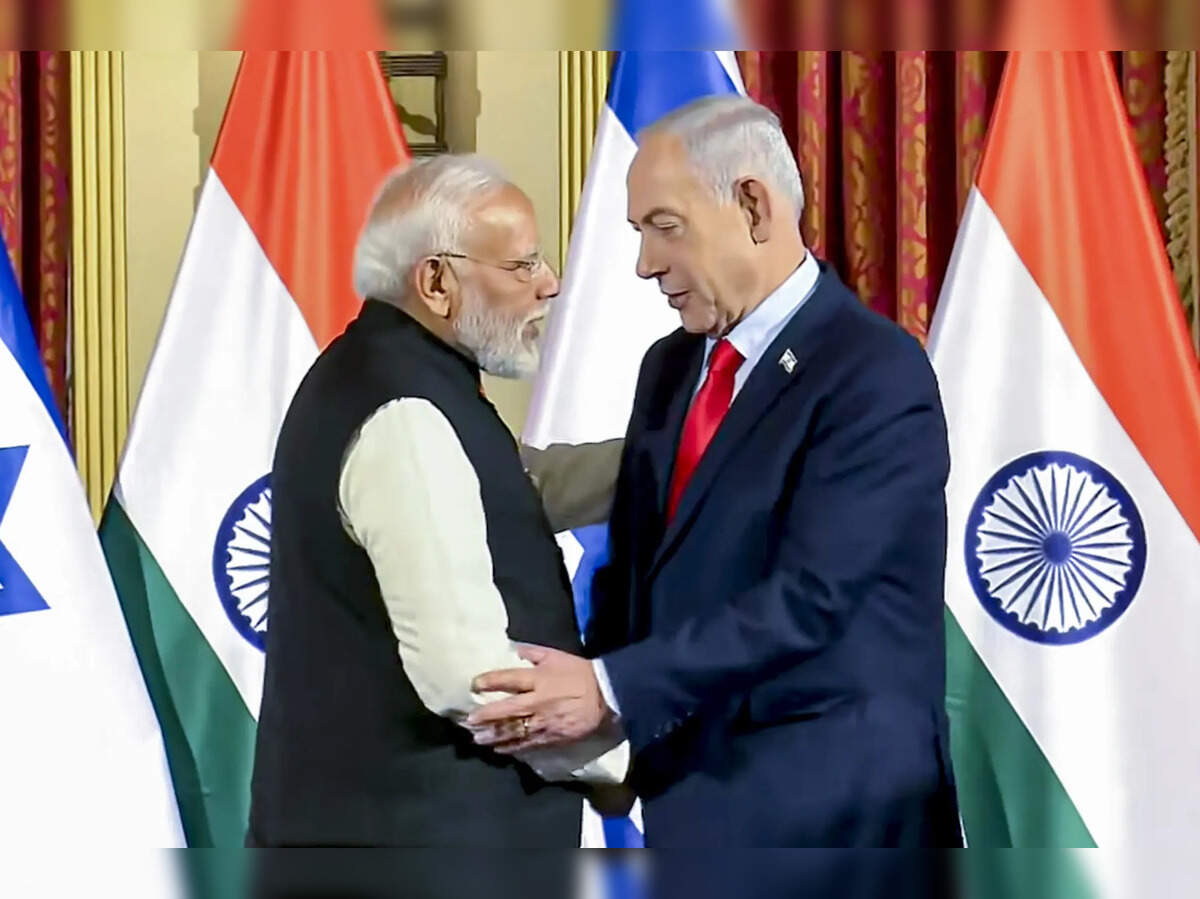
On March 2, 2026, Prime Minister Narendra Modi spoke with Israeli Prime Minister Benjamin Netanyahu over the phone to discuss the rapidly deteriorating situation in the Middle East. The conversation occurred against the backdrop of intensified US-Iran hostilities following American precision strikes on Iranian nuclear facilities and IRGC bases in late February 2026. Iran had responded with missile attacks on US interests in the region and threats of further retaliation through proxies in Iraq, Syria, Lebanon, and Yemen. The call was part of India's ongoing diplomatic engagement to prevent a wider regional war.
Key Points Discussed
During the conversation, both leaders expressed deep concern over the escalation and its potential to destabilize the entire region. PM Modi reiterated India's consistent position of urging maximum restraint, de-escalation, and return to dialogue by all parties. He emphasized the need to protect civilian lives and critical infrastructure while condemning terrorism in all forms. Netanyahu briefed Modi on Israel's security concerns, particularly regarding Iran's nuclear program and support for Hezbollah and other groups threatening Israel. Modi reaffirmed India's support for Israel's right to self-defense while calling for a peaceful resolution through diplomatic channels.
India's Balanced Stance
India has maintained a carefully calibrated approach to the Israel-Iran conflict. While being one of Israel's closest defense partners (with significant arms trade and technology cooperation), India also maintains strong historical and economic ties with Iran, including energy imports and the Chabahar port project. The Modi-Netanyahu call reflects this balancing act—supporting Israel's security while advocating restraint to avoid a broader war that could disrupt global energy supplies and affect Indian interests in the Gulf.
Regional and Global Implications
The conversation came at a time when oil prices had surged due to fears of disruption in the Strait of Hormuz. Gulf countries expressed concern over escalation, while Russia and China urged all parties to avoid military confrontation. The call highlighted India's growing role as a mediator and voice of moderation in global conflicts, consistent with its multi-alignment foreign policy.
Official Statements
The Ministry of External Affairs issued a readout stating that the leaders agreed on the need for immediate de-escalation and protection of civilians. Netanyahu thanked Modi for India's consistent support, while Modi conveyed India's hope for a peaceful resolution. No joint statement was issued, but the call underscored high-level diplomatic engagement amid the crisis.
TL;DR
- Prime Minister Narendra Modi spoke with Israeli Prime Minister Benjamin Netanyahu on March 2, 2026.
- The call took place amid escalating US-Iran hostilities in the Middle East.
- Modi urged maximum restraint, de-escalation, and return to dialogue.
- He emphasized protection of civilians and critical infrastructure.
- Netanyahu briefed Modi on Israel's security concerns regarding Iran.
- Modi reaffirmed India's support for Israel's right to self-defense.
- The conversation reflected India's balanced approach to the conflict.
- India maintains strong defense ties with Israel and economic relations with Iran.
- The Ministry of External Affairs issued a readout of the discussion.
- No joint statement was released after the call.