US President Donald Trump announced Thursday that a "great settlement" has been reached with Iran, signaling an imminent end to months of heightened tensions and conflict. He indicated that a formal signing ceremony could take place in Europe as early as this weekend, though he would not attend personally. Vice President JD Vance is slated to represent the United States at the event.
Despite Trump's confident declaration, Iran's Foreign Ministry spokesperson, Esmail Baghaei, quickly countered on state television, stating that a final agreement has not yet been reached. Baghaei acknowledged that much of the proposed text had been agreed upon but accused Washington of introducing "excessive demands" and "new requests" during negotiations. He emphasized that Iran would not "give way under pressure" or "depart from its red lines."
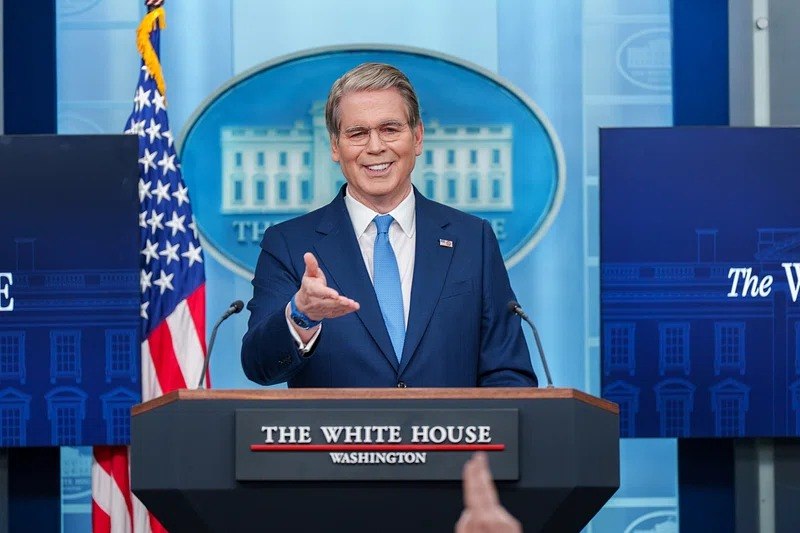
According to Trump, a core element of the proposed deal is Iran's commitment to never pursue nuclear weapons. "We have a deal that Iran will never have a nuclear weapon, which was the whole purpose of what we had to go through to get this," Trump told reporters at the White House. He reiterated that Iran had formally agreed to this crucial condition and would neither purchase nor develop such weapons under the future agreement. Trump also linked the agreement to the reopening of the Strait of Hormuz, a vital global energy shipping route that has been central to recent tensions. Its reopening would likely ease pressure on international energy markets.
This development follows months of intense conflict, including threats to seize oil resources and repeated warnings of military escalation. Just hours before his announcement, Trump had pulled back from planned military action, citing advancements in talks with Tehran and approval from Iran's highest leadership. For years, Iranian officials have consistently denied allegations of seeking nuclear weapons, maintaining that their nuclear program is solely for peaceful purposes.
Trump further claimed that the proposed agreement had secured support from Iran's top leadership, including Supreme Leader Mojtaba Khamenei. When asked about Khamenei's approval, Trump responded, "I understand the answer is yes." He also stated that he had consulted with leaders across the region, including Gulf allies and Israeli Prime Minister Benjamin Netanyahu, and asserted that "the whole Middle East is very happy." Trump attributed Iran's apparent eagerness for a deal to the severe pressure they have faced. "Because they've taken a pounding," he explained, adding, "They want to make a deal a lot more than I do." He noted a significant change in Iran's "level of enthusiasm" for an agreement in recent weeks.
Earlier in the day, Trump had posted on Truth Social, claiming that negotiators had reached broad agreement on both the framework and details of a deal. He listed numerous countries, including the United States, Israel, Saudi Arabia, UAE, Qatar, Turkey, Pakistan, Bahrain, Kuwait, Jordan, and Egypt, as having approved the discussions and final points "in both concept and great detail."
The immediate focus now shifts to whether the proposed signing ceremony in Europe will indeed materialize and how the conflicting statements from Washington and Tehran will resolve. The international community will closely watch for any official confirmation from Iran regarding the terms of a final agreement, particularly concerning its nuclear program and the Strait of Hormuz. The discrepancy between Trump’s confident pronouncements and Iran’s denial highlights the delicate and often unpredictable nature of these high-stakes negotiations.
TL;DR
- President Trump announced a "great settlement" with Iran, expecting a signing ceremony this weekend in Europe.
- Vice President JD Vance is slated to represent the US at the potential signing event.
- Trump claims Iran has agreed to never pursue nuclear weapons as a core part of the deal.
- The agreement is also linked to the reopening of the Strait of Hormuz, a critical shipping route.
- Iran's Foreign Ministry spokesperson, Esmail Baghaei, denies a final agreement has been reached.
- Baghaei cited "excessive demands" and "new requests" from Washington as obstacles.
- Trump asserts Iran's Supreme Leader Mojtaba Khamenei has approved the deal, a claim Iran has not confirmed.
- Trump believes Iran's willingness to deal stems from the "pounding" they have endured.