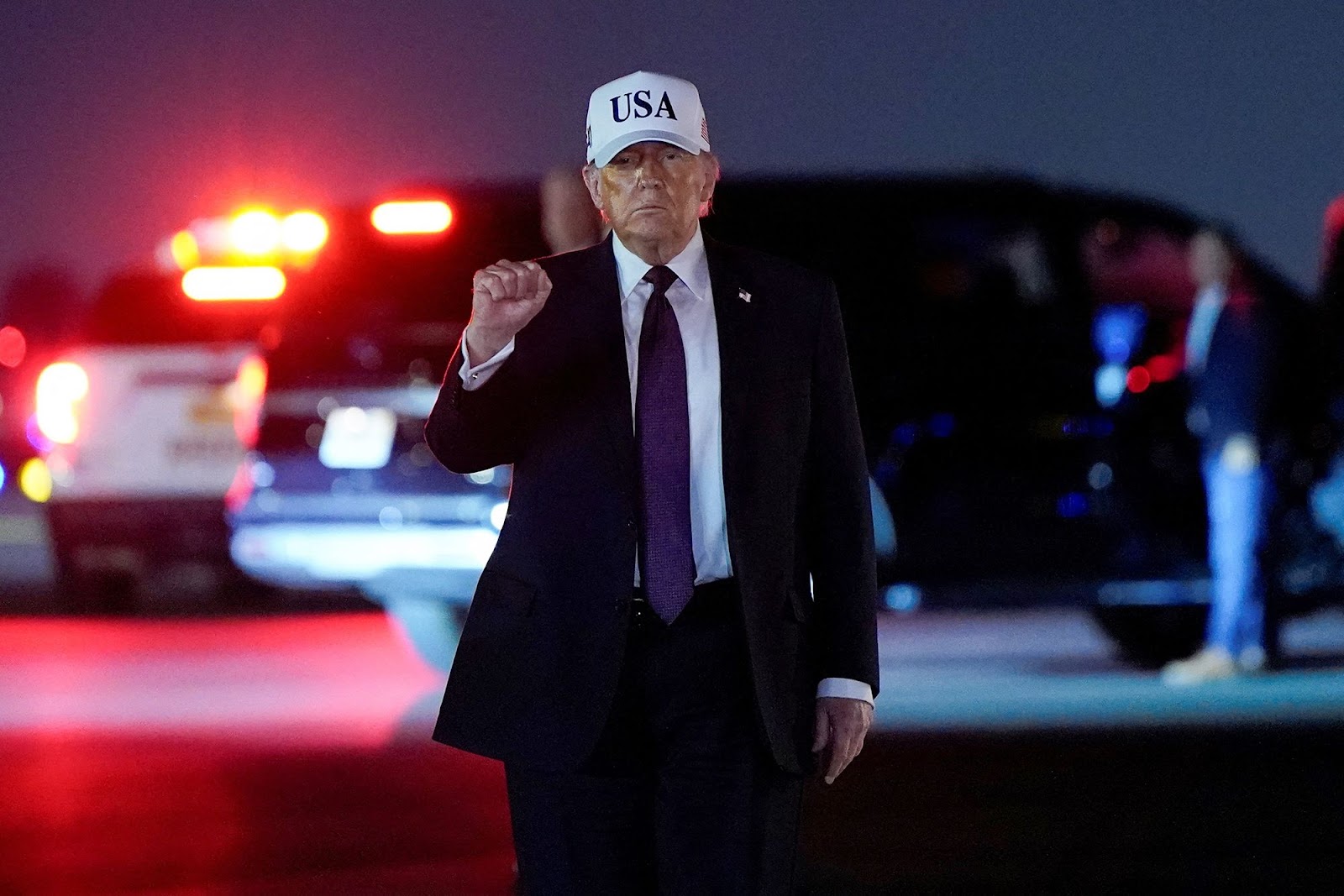
Trump's Statement and Context
Donald Trump, in an interview on March 2, 2026, warned that any direct conflict with Iran could last up to four weeks, citing the country's military capabilities and regional alliances. The statement was made amid heightened tensions in the Middle East, with ongoing Israel-Iran shadow war escalating into open exchanges following Iranian missile strikes and Israeli retaliations in late 2025. Trump emphasized that the US should avoid prolonged involvement, stating: "Iran is not Iraq or Afghanistan. They have missiles, drones, proxies everywhere. If we go in, it could be four weeks of very tough fighting."
Regional Escalation Background
The Middle East conflict intensified after the October 2023 Hamas attack on Israel, leading to Gaza war, Hezbollah clashes, and direct Iran-Israel exchanges in 2024-2025. Iran's nuclear program remains a flashpoint, with IAEA reports indicating near-weapons-grade uranium enrichment. US sanctions and Israel's preemptive strikes have kept tensions high. Trump's comments come as the Biden administration (or successor) faces pressure to respond to Iranian actions while avoiding full-scale war.
Trump's Foreign Policy Stance
Trump reiterated his "peace through strength" approach, claiming his previous term prevented major wars. He criticized current policy: "They let Iran get too strong. Now it's a mess." He suggested maximum pressure sanctions and deterrence rather than direct military engagement. Analysts see this as positioning for future elections, appealing to his base while cautioning against endless wars.
Reactions and Implications
Israeli officials welcomed Trump's tough stance, while Iranian state media dismissed it as "empty threats." US allies in the Gulf expressed concern over escalation. Experts warn that a four-week conflict could involve massive missile exchanges, proxy attacks, and economic disruption (oil prices spiked 8% after Trump's remarks). The statement highlights ongoing US-Iran tensions and Trump's continued influence in foreign policy discourse.
TL;DR
- Donald Trump stated that any conflict with Iran could last up to four weeks.
- The comment was made amid escalating Middle East tensions in March 2026.
- Trump warned of prolonged engagement if the US gets involved directly.
- He emphasized Iran's military capabilities including missiles and proxies.
- Trump criticized current US policy for allowing Iran to grow too strong.
- He advocated maximum pressure sanctions and deterrence over war.
- Israeli officials welcomed the tough stance on Iran.
- Iranian state media dismissed the comments as empty threats.
- Oil prices spiked 8% following Trump's remarks.
- The statement reflects Trump's ongoing influence in foreign policy discourse.