Background of the Escalation
The Middle East crisis intensified in early 2026 following a series of Iranian-backed proxy attacks on US and Israeli interests, including missile strikes on US bases in Iraq and Syria, and drone attacks on shipping in the Red Sea. The US responded with a series of targeted airstrikes on Iranian military infrastructure, focusing on nuclear-related sites and IRGC command centers. The operation, conducted over several days in late February 2026, involved a multi-domain strike package designed to penetrate Iranian air defenses.
Key Assets Deployed in the Strikes
The Pentagon released details of the firepower used to demonstrate overwhelming technological superiority. B-2 Spirit stealth bombers from Whiteman AFB flew non-stop missions, dropping precision-guided munitions on hardened underground facilities. F-35 Lightning II and F-22 Raptor fighters provided air superiority and suppression of enemy air defenses (SEAD). Navy Arleigh Burke-class destroyers and Virginia-class submarines launched Tomahawk cruise missiles from the Persian Gulf and Arabian Sea. KC-135 and KC-46 tankers enabled extended-range operations. Cyber and electronic warfare units disrupted Iranian radar and communications during the strikes.
Targets and Objectives
Primary targets included Natanz and Fordow nuclear enrichment sites, Parchin military complex, and IRGC missile bases near Tehran and Isfahan. The strikes aimed to set back Iran's nuclear program by 18-24 months and degrade its ability to support regional proxies. Officials stated the operation was "limited and proportional" but warned of further action if Iran continued aggression. Satellite imagery confirmed significant damage to underground structures and missile storage facilities.
Iran's Response and Regional Fallout
Iran condemned the strikes as "state terrorism" and vowed retaliation through proxies in Iraq, Syria, Lebanon, and Yemen. Supreme Leader Khamenei called for unity against the "Zionist-American axis." Oil prices surged 12% amid fears of Strait of Hormuz closure. Israel conducted parallel strikes on Hezbollah positions in Lebanon. Gulf states quietly supported the US action while publicly calling for de-escalation.
US Official Statements and Strategic Implications
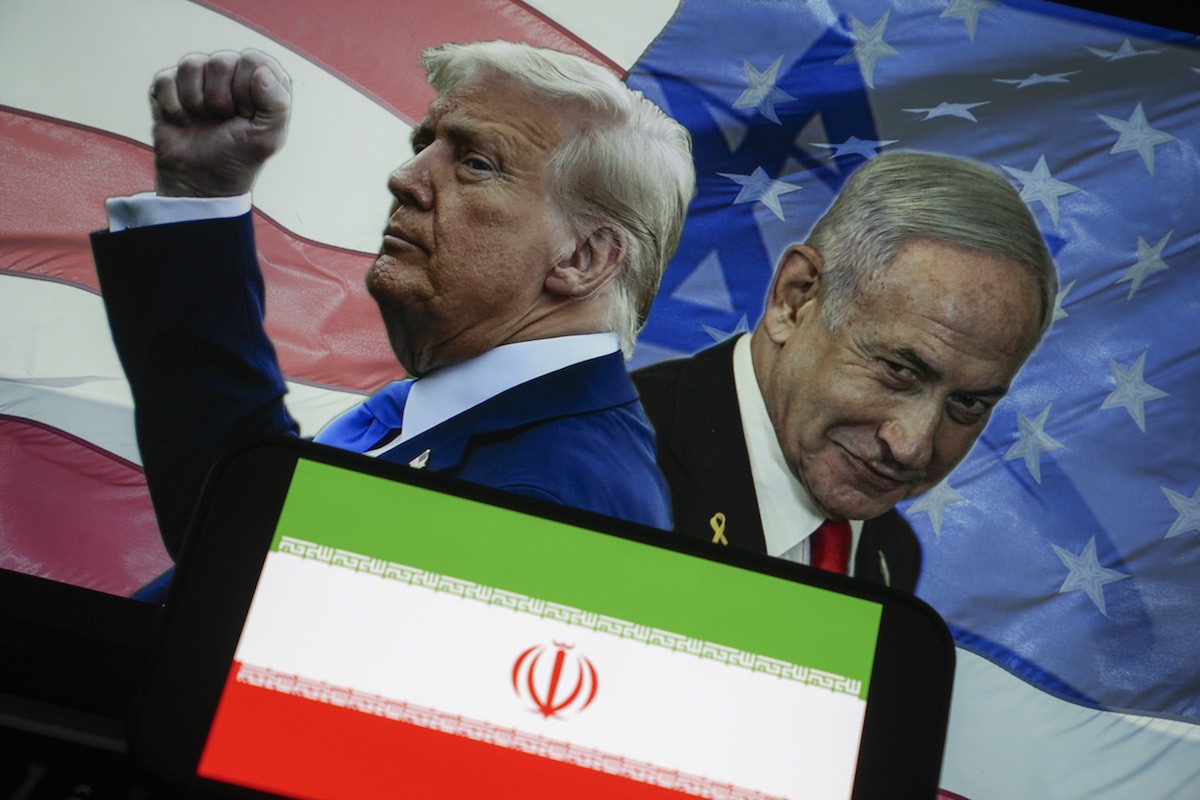
President Trump (in his second term) authorized the strikes, stating: "Iran crossed red lines. We hit hard, precisely, and we will do it again if needed." Defense Secretary emphasized minimal civilian casualties and maximum military impact. The operation showcased US power projection capabilities and sent a message to adversaries about willingness to use force when necessary. Analysts note the strikes have temporarily weakened Iran's regional influence but risk broader conflict involving Russia and China.
TL;DR
- The United States conducted targeted strikes on Iranian nuclear and military sites in late February 2026.
- Assets used included B-2 Spirit stealth bombers from Whiteman AFB.
- F-35 Lightning II and F-22 Raptor fighters provided air superiority and SEAD.
- Navy Arleigh Burke-class destroyers and Virginia-class submarines launched Tomahawk cruise missiles.
- KC-135 and KC-46 tankers enabled extended-range operations.
- Primary targets were Natanz, Fordow, Parchin, and IRGC missile bases.
- The strikes aimed to set back Iran's nuclear program by 18-24 months.
- Officials emphasized precision to minimize civilian casualties.
- Iran condemned the strikes as "state terrorism" and vowed retaliation.
- Oil prices surged 12% amid fears of Strait of Hormuz disruption.