Araghchi's Warning
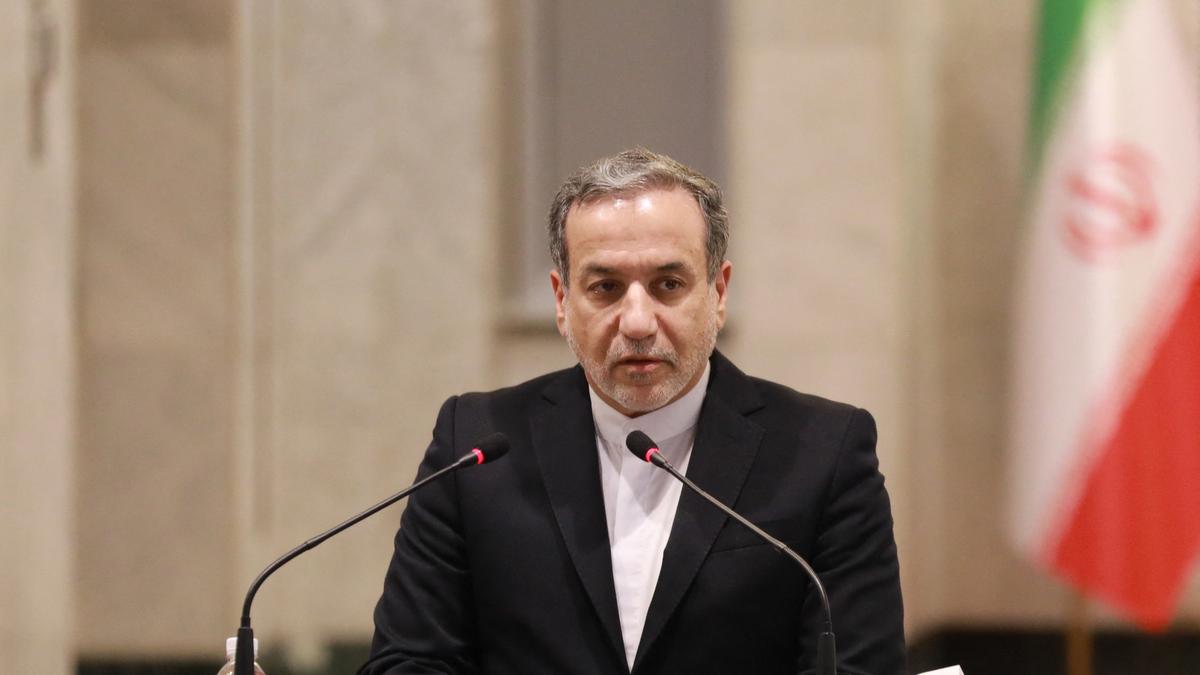
Iran's Foreign Minister Seyed Abbas Araghchi issued a strong warning on March 6, 2026, stating that any US ground invasion would result in a "big disaster" for the United States. He declared that Iran is "waiting for them" and fully prepared to defend its sovereignty. The statement followed continued US airstrikes and Iran's missile counterattacks.
Context of the Conflict
The conflict escalated after US and Israeli strikes killed Iran's Supreme Leader on February 28, 2026. The US has hit over 1,000 targets, while Iran has retaliated with missiles on US bases and Israeli cities. Araghchi's warning suggests readiness for escalation to ground warfare if the US attempts invasion.
Iran's Defensive Posture
Araghchi emphasized Iran's military capabilities and determination to resist. He highlighted the potential heavy costs for any invading force, citing Iran's terrain, proxies, and asymmetric warfare strengths. The minister reiterated that Iran seeks peace but will respond forcefully to aggression.
International Reactions
The US has not indicated immediate plans for ground troops, focusing on air and missile strikes. Trump warned of further actions but projected a limited campaign. Gulf states remain concerned about escalation. Diplomatic channels through Oman continue to explore de-escalation.
Implications
The warning underscores Iran's resolve to avoid capitulation. A ground invasion would significantly widen the conflict, risking major casualties and regional instability. Iran's proxies remain active, adding complexity to any ground operation.
TL;DR
- Iran Foreign Minister Seyed Abbas Araghchi warned that a US ground invasion would be a big disaster for America.
- He stated that Iran is waiting for them and fully prepared to defend its territory.
- The comment came amid ongoing US airstrikes and Iranian missile retaliation.
- Araghchi emphasized Iran's resolve and capability to inflict heavy costs.
- The US has focused on air and missile strikes without immediate ground troop plans.
- The conflict escalated after the killing of Iran's Supreme Leader on February 28, 2026.
- Gulf states remain concerned about further escalation.
- Diplomatic efforts continue through Oman to explore de-escalation.
- Iran's proxies remain active in the region.
- The warning highlights the risks of widening the conflict to ground operations.