Families dealing with the death of a relative have to handle a series of money matters, and the first one is the death certificate. Without it, claiming investments, property and insurance money becomes far harder, and the process gets more complicated the longer it is delayed.
The grief is hard enough on its own. Still, the financial work cannot wait for the mourning period to end, because skipping steps now can create problems for the family down the line. Here is what needs attention, based on the steps laid out in the guide.
Apply for the death certificate within a month
The family should apply for the death certificate of the deceased person, either through a government office or online. Applying within one month of the death gives the best chance of getting the certificate quickly. Waiting longer makes the process more difficult.
This certificate matters because it is required before the family can claim the deceased person’s investments, property and insurance money.
Deactivate the Aadhaar card and close digital accounts
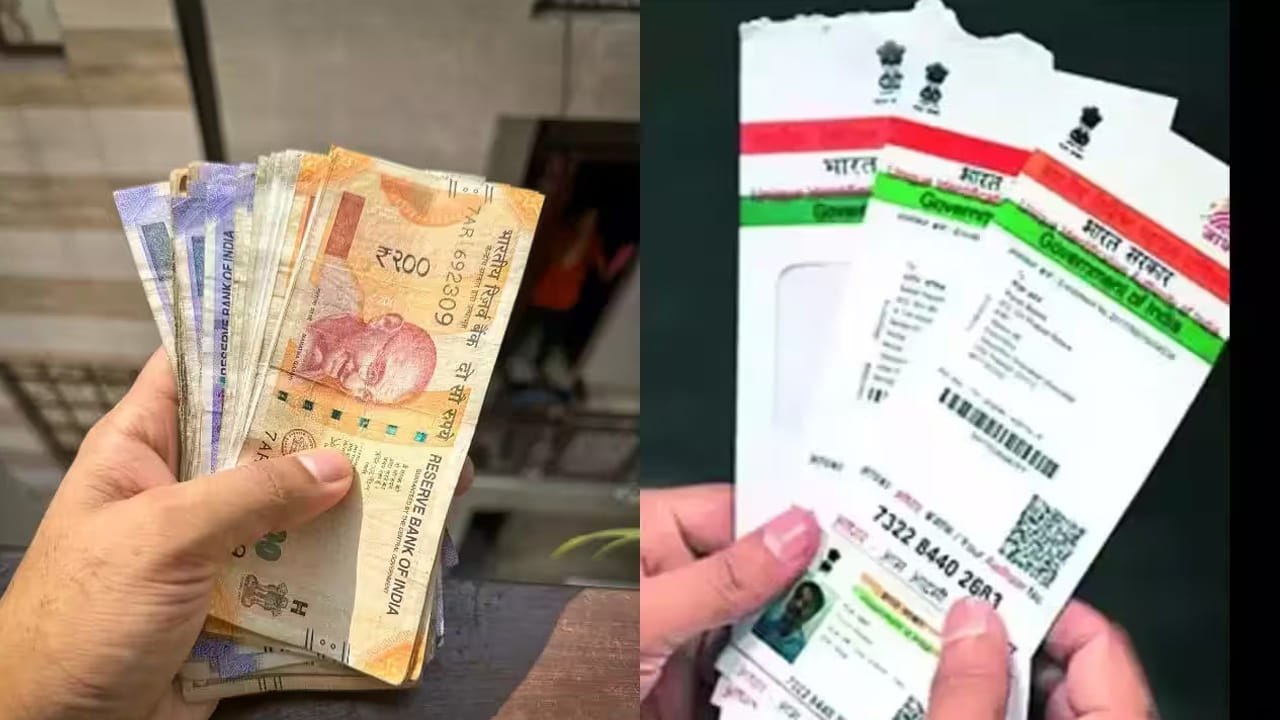
The Aadhaar card of the deceased should be deactivated right away. Family members can do this themselves through the UIDAI website. Once it is deactivated, nobody can use the card to carry out activities in the person’s name.
The family should also close the deceased person’s email and social media accounts. These accounts can otherwise stay active long after the person is gone.
Claim insurance, bank balances and investments
If the deceased held any insurance policies, the family should file claims on them. The same goes for money sitting in bank accounts, mutual funds, stock market holdings and schemes such as the Public Provident Fund, commonly known as PPF. Each of these needs to be withdrawn or claimed in the proper way.
Contact the employer for PF, gratuity and other benefits
Provident fund, gratuity and other insurance benefits from a job come through the employer. The family should contact the organisation where the deceased person worked to begin the claim process.
File pending income tax returns
If the deceased person was paying income tax, the family must file the income tax returns that are due. Leaving this undone could leave a pending obligation hanging over the estate.
Clear loans and dues before dividing assets
Any bank loans, credit card bills, EMIs and loans taken against pledged assets in the deceased person’s name should be paid off. The guide is clear on the order here. These debts should be settled before any property or assets are shared among heirs.
Experts quoted in the guide say that ignoring these debts can lead to trouble with banks and financial institutions. Paying them off first also protects the family from legal complications later.
Check the will and get legal advice
If the deceased person left a will, the property should be distributed according to its terms. Where disputes are possible, the guide recommends consulting a lawyer. Following the lawyer’s advice on how to divide assets helps avoid conflicts within the family.
Experts say that if the deceased’s debts are not cleared first, banks and financial institutions could cause difficulties for the family.
Taken together, these steps follow a rough order. The death certificate opens the door to most claims. Digital and identity records need to be closed. Money owed to lenders gets paid before anything is divided. A lawyer can smooth out the rest, especially where there is a will or a risk of dispute. Families who work through the list early avoid many of the problems that come from missed deadlines and unpaid debts.
TL;DR
- Apply for the death certificate within one month of the death for the fastest processing.
- The Aadhaar of the deceased should be deactivated through the UIDAI website.
- Claim insurance policies, bank balances, mutual funds and PPF savings in the deceased’s name.
- Contact the employer for PF, gratuity and other job-linked benefits.
- File any pending income tax returns and pay off loans and credit card bills before dividing assets.
- Consult a lawyer and follow a will, if one exists, to avoid family disputes.