The Unfolding Price Shock
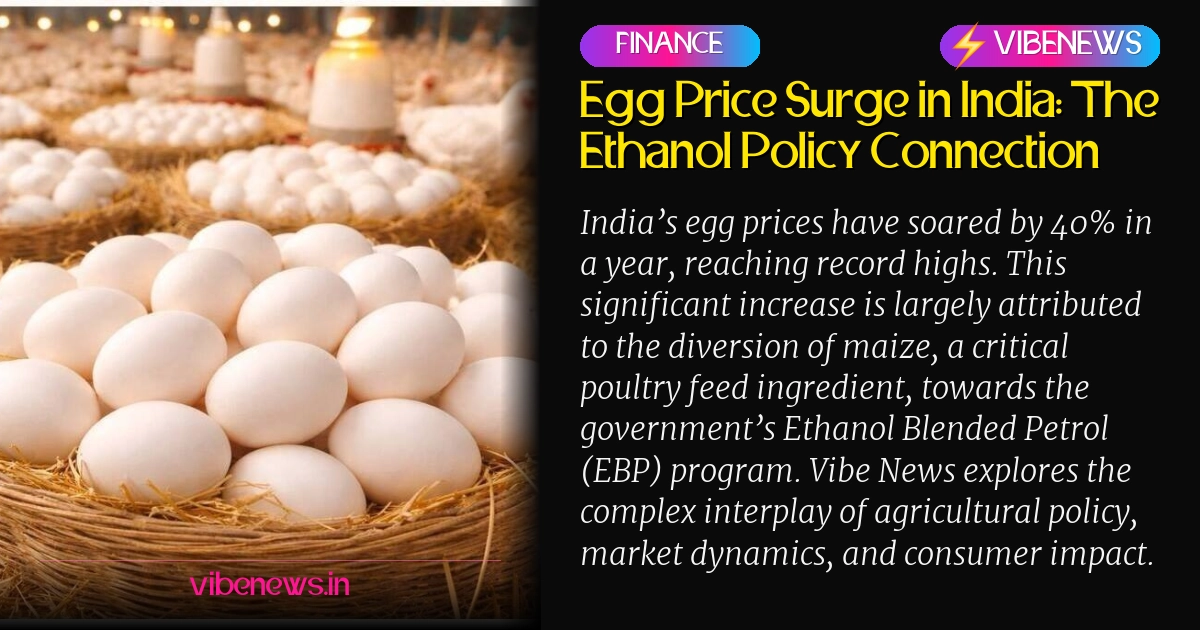
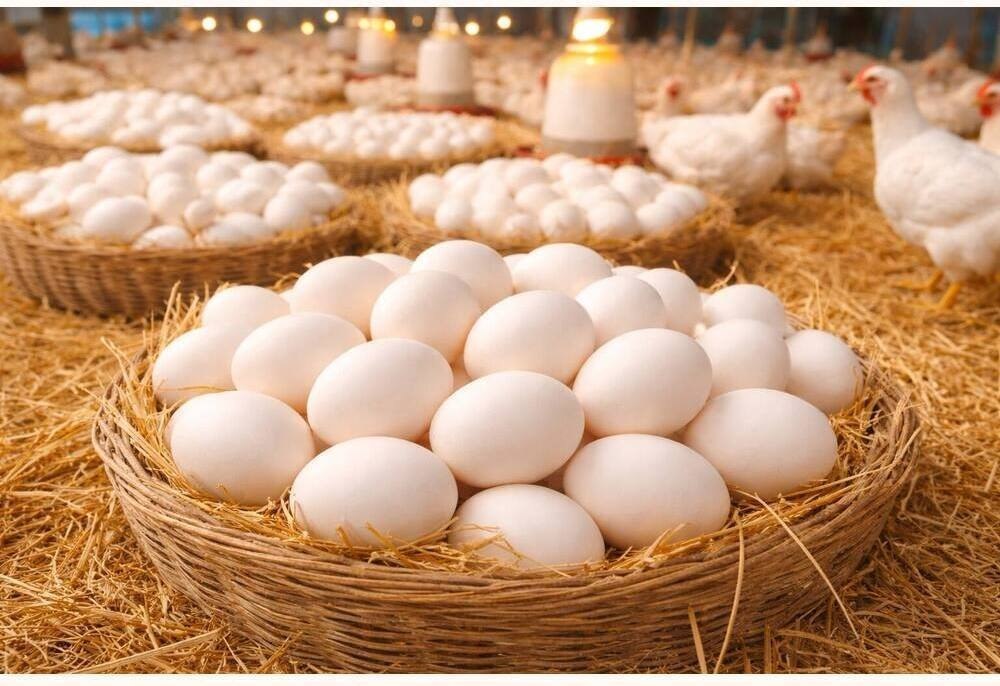
Egg prices across India have witnessed an unprecedented surge, climbing by approximately 40% within the last year. Farm-gate prices have touched around Rs 7 per egg, while retail prices on online platforms are nearing Rs 14. This sharp increase is particularly concerning as eggs traditionally serve as one of the most affordable sources of protein for millions of Indians.
Industry experts and poultry farmers are sounding alarms, anticipating further price pressures as the winter months approach, a period when demand for eggs typically escalates. The core of this price hike, many suggest, lies in a significant shift in agricultural policy and commodity allocation.
Maize at the Crossroads: Fuel vs. Feed
At the heart of the current egg price crisis is maize, a fundamental ingredient constituting 50-55% of poultry feed. In recent years, India’s ambitious Ethanol Blended Petrol (EBP) program has increasingly diverted domestically grown maize away from its traditional use in livestock feed towards ethanol production.
This strategic redirection means that a substantial portion of India’s maize harvest, once destined for poultry farms, is now fueling the nation’s E20 petrol initiative. This new, rapidly expanding demand for maize has created a direct competition for the crop, significantly impacting its availability and price for the poultry sector.
The Economic Ripple Effect
The rising cost of maize directly translates into higher production costs for eggs and chicken. Divya Kumar Gulati, Chairman of the Compound Livestock Feed Manufacturers Association (CLFMA) of India, emphasized that maize and soybean prices are the primary determinants of poultry feed costs, which in turn dictate the final price of poultry products.
The impact extends beyond just eggs. Fitness influencer Chirag Barjatya highlighted how the rising cost of eggs, alongside other protein-rich foods like whey protein and paneer, is making a high-protein diet increasingly unaffordable for many, especially vegetarians. He noted that maintaining a daily 100-gram protein intake could now cost upwards of Rs 10,000-12,000 monthly.
Policy Decisions and Market Realities
The expansion of the EBP program has dramatically altered maize utilization. Data from a Lok Sabha reply in 2025 revealed that 125.75 lakh metric tonnes of maize were used for ethanol production during Ethanol Supply Year (ESY) 2024–25. This marks a staggering increase of over 15 times in just two years, from 8.3 lakh tonnes previously.
This surge has positioned maize as the single largest feedstock for ethanol production, fundamentally reshaping the maize market. The Samajwadi Party has openly criticized the BJP-led Centre, attributing the rise in egg prices directly to the government’s ethanol policy and its impact on affordable protein sources for the poor.
A Shifting Global Trade Landscape
Despite a considerable increase in India’s maize production, which rose by nearly 37% between 2020–21 and 2024–25, the competing demands from ethanol, poultry feed, starch, and other industries have kept prices under pressure. This domestic squeeze is further evidenced by a dramatic shift in India’s maize trade balance.
India transformed from a significant maize exporter, shipping 34.53 lakh tonnes in FY 2022–23, to a net importer in FY 2024–25. Exports plummeted to just 5.56 lakh tonnes, while imports surged by over 600% to 9.70 lakh tonnes in the same period. This reversal underscores the tightening domestic supply and the increasing reliance on external markets to meet demand.
The Winter Demand Factor
The timing of this price surge adds another layer of complexity. Egg consumption traditionally peaks during the colder winter months, driven by increased demand from households, hotels, restaurants, and other institutional buyers. If feed costs remain elevated while consumer demand strengthens, poultry farmers could face renewed pressure, potentially leading to another round of price increases.
While ethanol diversion is a significant factor, it is crucial to acknowledge that maize prices are also influenced by other variables such as weather patterns, harvest arrivals, storage capacities, and global trade dynamics. Similarly, egg prices are affected by seasonal demand, flock sizes, disease outbreaks, and regional supply conditions. The government maintains that maize availability remains sufficient, citing rising production figures.
Editorial Context: Balancing Energy and Food Security
The escalating price of eggs, driven significantly by the diversion of maize for ethanol production, highlights a critical policy dilemma for India: balancing energy independence with food security and affordability. While the Ethanol Blended Petrol program aims to reduce reliance on fossil fuels and support farmers, its unintended consequences are now directly impacting the cost of essential food items for the common citizen.
This situation underscores the intricate interdependencies within the agricultural sector and the broader economy. The long-term implications include potential shifts in dietary patterns, increased financial burden on low-income households, and challenges for the poultry industry’s sustainability. Policymakers face the complex task of recalibrating these priorities to ensure that national energy goals do not inadvertently compromise the nutritional and economic well-being of the populace. The episode serves as a stark reminder that commodity diversions, even for laudable goals, require careful foresight into their cascading effects on food systems and consumer prices.
TL;DR
- Egg prices in India have risen by approximately 40% in the last year, with retail prices reaching up to Rs 14 per egg.
- The primary driver for this surge is the diversion of maize, a key poultry feed ingredient, towards India’s Ethanol Blended Petrol (EBP) program.
- Maize utilization for ethanol production increased over 15 times in two years, making it the largest feedstock for ethanol.
- The increased demand for maize has led to India shifting from a major maize exporter to a net importer in FY 2024–25.
- Poultry feed costs, heavily influenced by maize prices, constitute 65-70% of egg production expenses.
- Experts anticipate further price pressure on eggs as winter demand typically rises, exacerbating the impact of elevated feed costs.