Wizards of the Coast designed only one preconstructed Commander deck for Magic: The Gathering’s Reality Fracture set, and the design team internally believes that single deck is among the most powerful precons it has ever released.
The set itself closes a saga in style, with alternate-reality versions of iconic characters from Magic’s past. It is also likely to be remembered as one of the best releases in a very busy 2026 schedule. The surprise is the Commander side of the product. Reality Fracture gets one precon, not two, which is the same approach the publisher took with this year’s Teenage Mutant Ninja Turtles set.
Why only one deck
Gavin Verhey, Game Designer on Magic: The Gathering, explained the reasoning. Two Commander decks often create an imbalance. One ends up far more exciting than the other, and the weaker product lingers while the strong one disappears almost immediately.
"We tend to run into problems when we release two Commander decks, and one is vastly more exciting than the other."
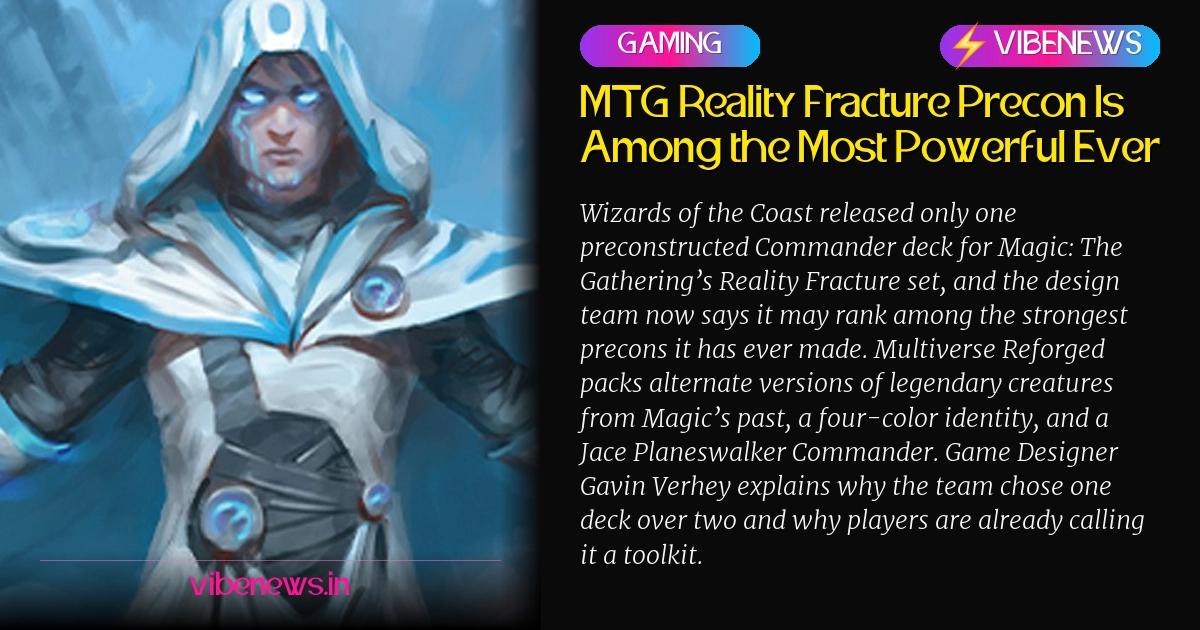
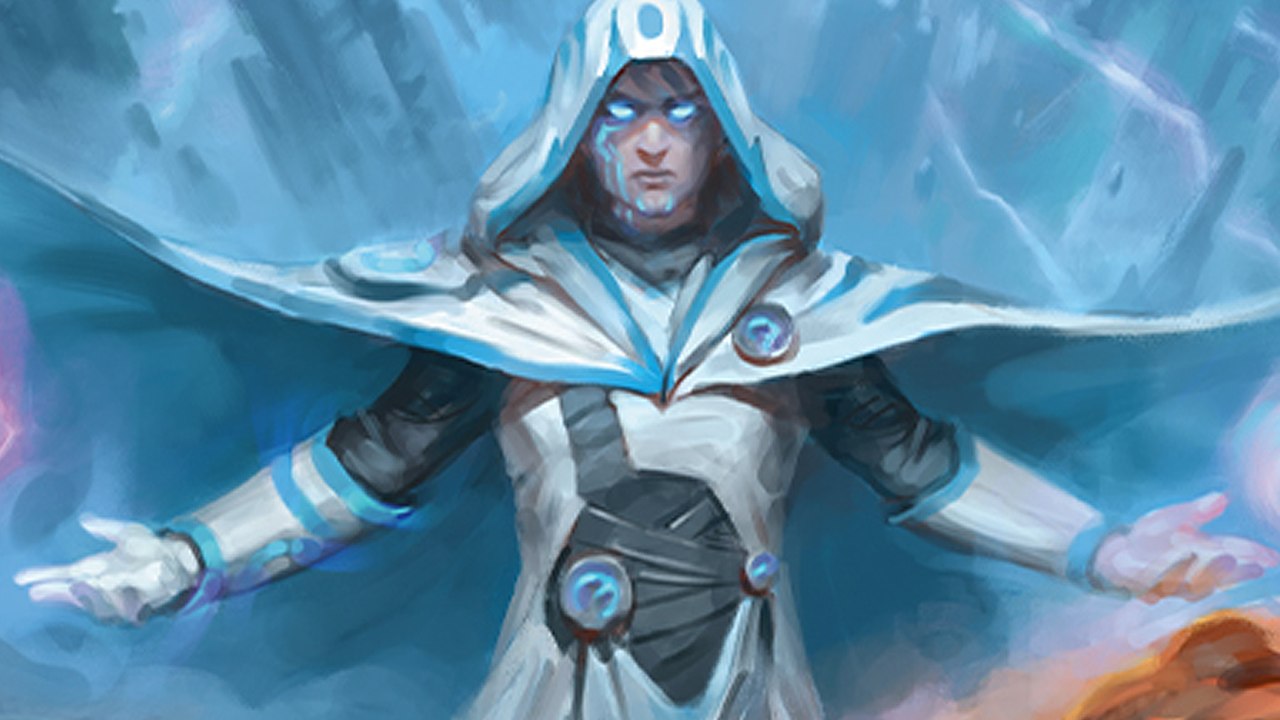
Verhey said the team discussed the issue, but found it hard to imagine a deck much cooler than the Jace Echoverse deck. That comparison matters. The designers were not looking for a second product to sit beside the first. They wanted one product that could carry the entire set’s identity.
So the team went another way. Instead of splitting the effort, they gave the single deck extra resources, including new cards and a splashy theme with a four-color identity. The result is Multiverse Reforged.
Power level under the microscope
Anyone who has spent time with the deck will tell you the word splashy might undersell it. Multiverse Reforged is packed with strong cards. It includes alternate versions of legendary creatures from Magic’s past, with The Ur-Sphinx as one example. It is also anchored by a powerful Planeswalker Commander in Jace himself.
That density of high-quality legends is exactly why the deck feels like a toolkit. It can be taken apart and rebuilt in many different directions, much like the Turtle Power precon from the earlier set. Players who open it are not just getting a single pile to play out of the box. They are getting parts they can reshape.
Verhey was quick to point out that the design team does not see the deck as a loose collection of pieces. The company’s view is that it is a powerhouse right out of the box, and he found the community’s toolkit framing a little amusing.
"I think it’s kind of funny that people see it as a toolkit, because many internally believe this precon is among the most powerful we’ve ever released!"
That gap between how players read the deck and how the designers built it is where the conversation is heating up. Commander players have long argued about power creep, the steady climb in card strength that can make older products feel outdated. A precon sitting at the top of that conversation is a pointed statement, especially when it arrives during a set that already has a crowded release calendar behind it.
Design philosophy for future products
Verhey did not rule out more of this approach. He said the deck’s theme lends itself well to a high quantity of individually cool legends. That quality gives the product its toolbox feeling. He also said he could imagine doing more themes in the future that feature a bunch of new legends.
That is worth watching. If the team leans into legend-heavy themes, future precons could keep the same appeal that makes Multiverse Reforged feel like more than a starter pile. It also suggests Wizards may keep weighing the single-deck approach against the risk of one product overshadowing another.
What it means for players
For collectors and deck builders, the practical takeaway is simple. This is not a product to pass over. The design team is signaling that it has real power, and players are already treating it as a building block rather than a finished list. Stores are another factor. Verhey’s reasoning points to a real retail problem. When two precons compete, one can sit on shelves while the other sells out at once. One deck avoids that split, but it also concentrates demand on a single product.
There is also a broader point here. Reality Fracture leans heavily on nostalgia, with alternate-reality takes on characters players already know. A deck built around legends from Magic’s past gives those characters a second life on the table. That creates a clear reason for players to revisit old favorites, even if they have not been active in the game for years.
The question now is whether the community agrees with the designers. Some players will see Multiverse Reforged as a dream toolkit. Others will look at its raw power and call it a benchmark for what a precon should be. Either way, the debate over its strength is only getting started.
Have you played with Multiverse Reforged yet, or against it? If you have, the deck’s power level and the way it plays against the rest of your collection are the details that matter most. The designers have made their case. Now the table will decide.
TL;DR
- Wizards of the Coast released only one Commander precon for Magic: The Gathering’s Reality Fracture set.
- The design team internally believes Multiverse Reforged is among the most powerful precons it has ever released.
- Game Designer Gavin Verhey said two precons often leave one far more exciting, and one sits unsold.
- Multiverse Reforged includes alternate versions of legendary creatures and a powerful Jace Planeswalker Commander.
- The deck’s four-color identity and legend-heavy design give it a toolkit feel that players can rebuild.
- Verhey said future themes featuring many new legends are possible.