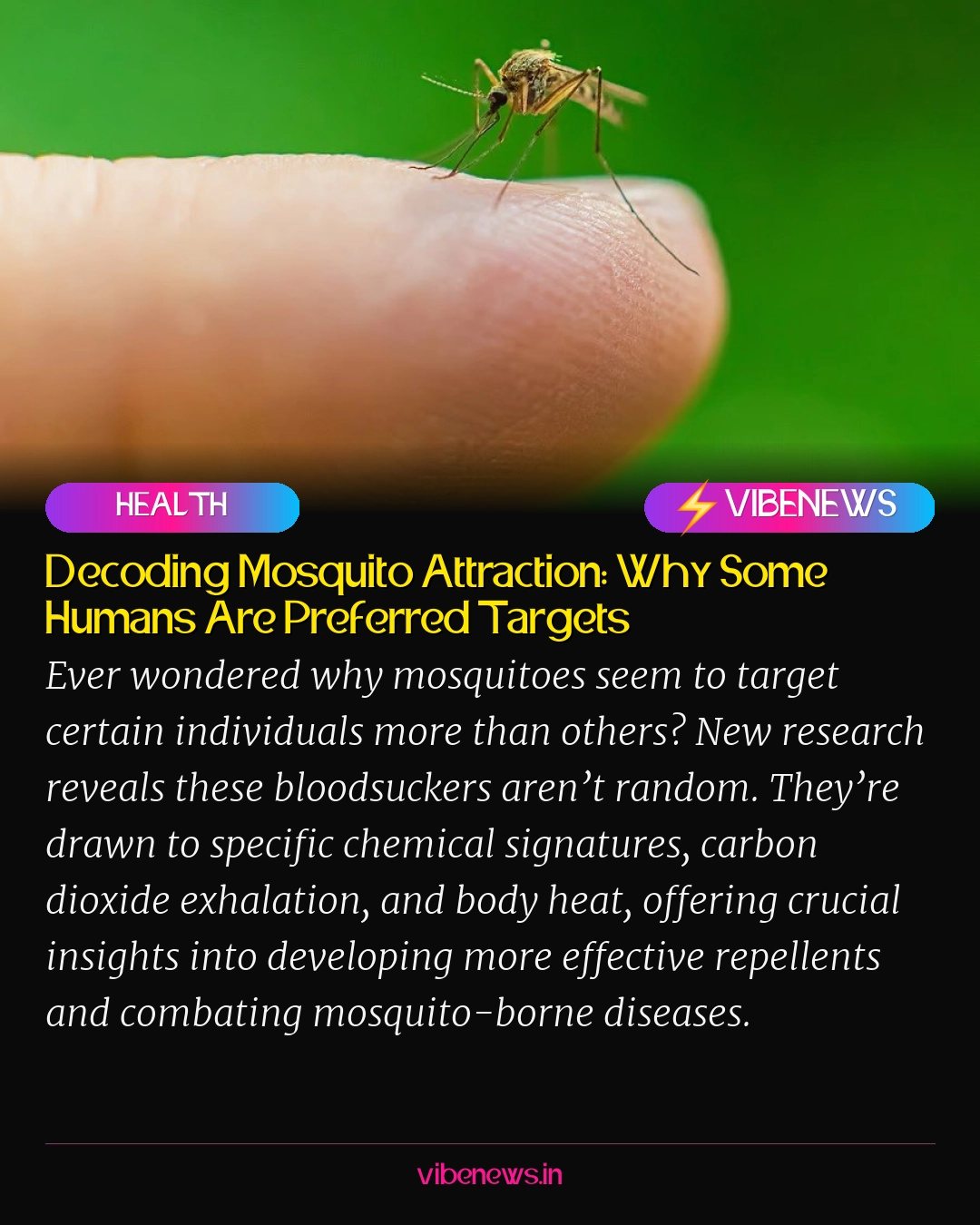
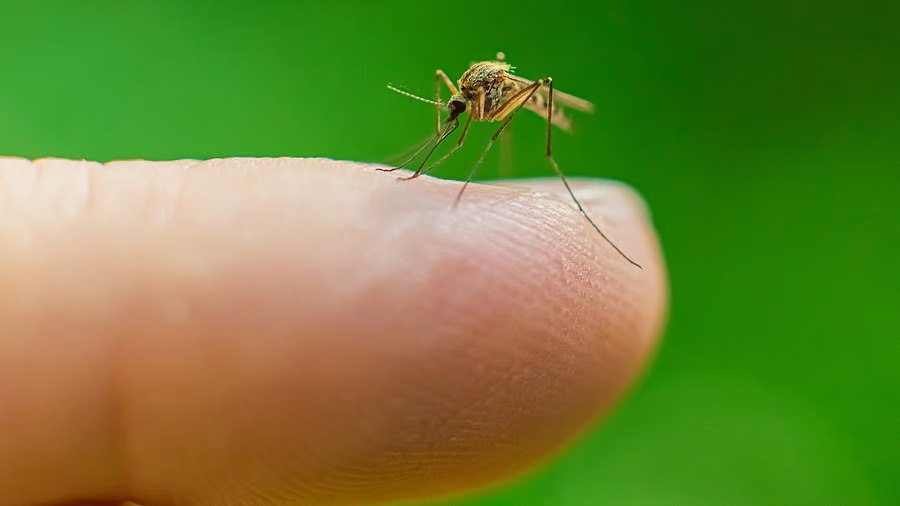
The familiar buzz of a mosquito often precedes an unwelcome bite, yet not everyone in a group seems to suffer equally. For years, anecdotal observations have suggested that some individuals are simply “sweeter” to mosquitoes, a notion now increasingly supported by scientific inquiry. Researchers are peeling back the layers of this biological mystery, revealing that these tiny, disease-carrying insects possess sophisticated mechanisms for selecting their human hosts.
Mosquitoes, particularly the female ones requiring blood meals for egg production, are far from indiscriminate feeders. They employ a complex array of sensory cues, both visual and olfactory, to pinpoint their preferred targets. A primary attractant is carbon dioxide, exhaled by humans. Mosquitoes can detect plumes of CO2 from significant distances, using these concentrations as a beacon to locate areas with human presence.
The Role of Chemical Signatures
Beyond CO2, a person’s unique chemical signature, a blend of metabolites, skin microbiome, and genetic factors, plays a pivotal role. Studies indicate that mosquitoes are particularly drawn to certain chemical compounds present on human skin. Carboxylic acids, ammonia, and lactic acid have emerged as key attractants. This complex interplay of chemicals creates a distinct “scent profile” that some mosquitoes find irresistible.
A significant 2023 study published in Current Biology, involving researchers from Rockefeller University, delved deep into these preferences. Scientists analyzed the skin scents of 64 individuals, collecting samples on nylon fabric, which acts as an excellent reservoir for body odors. Their findings starkly demonstrated that scents rich in carboxylic acids attracted significantly more mosquitoes. Crucially, this preference was consistent over time, suggesting that if a mosquito is attracted to an individual today, it is likely to be attracted to them years later. This indicates a stable, inherent chemical predisposition.
Why Some Individuals Are More Vulnerable
The research also sheds light on why certain demographics experience more bites. Adults, for instance, tend to exhale more carbon dioxide than children, making them more noticeable to mosquitoes. Similarly, pregnant women, with their elevated body temperatures and increased metabolic rates, become particularly attractive targets. Even temporary physiological states, such as exercising, which increases body heat and CO2 output, can temporarily elevate an individual’s appeal to these bloodsuckers.
A Global Health Challenge
The implications of understanding mosquito attraction extend far beyond personal discomfort. Mosquito-borne diseases like dengue, malaria, chikungunya, and Zika continue to pose immense global health challenges, particularly in tropical and subtropical regions, including India. The Aedes aegypti mosquito, a notorious connoisseur of human blood, is a primary vector for dengue and chikungunya, diseases that cause significant morbidity and mortality annually. In India, outbreaks of dengue are a recurring public health concern, placing a heavy burden on healthcare systems and communities.
Innovating Mosquito Control
Current mosquito control strategies largely rely on insecticides, larvicides, and repellents, many of which have limitations in terms of efficacy, environmental impact, or user acceptance. By deciphering the precise chemical cues that attract mosquitoes, scientists can develop more targeted and effective repellents. Instead of broadly masking human scent, future repellents could specifically block the receptors mosquitoes use to detect these attractive compounds, or even mimic repellent scents that actively deter them. This precision could lead to a new generation of public health tools.
Editorial Context
This ongoing research into mosquito host-seeking behavior represents a critical frontier in public health. Understanding the intricate biological mechanisms behind mosquito attraction is not merely an academic exercise; it holds the potential to revolutionize our approach to preventing mosquito-borne diseases. In the long term, this knowledge could lead to the development of highly specific, environmentally friendly repellents and traps that target the most vulnerable populations or the most dangerous mosquito species. It moves beyond generic solutions to a more nuanced, scientifically informed strategy, offering a beacon of hope in the persistent battle against these tiny, yet deadly, adversaries. The ability to predict and manipulate mosquito behavior based on human scent profiles could significantly reduce disease transmission rates, saving countless lives and alleviating the immense burden on healthcare systems worldwide.
TL;DR
- Mosquitoes are not random in their biting; they actively select human hosts based on specific cues.
- Key attractants include carbon dioxide exhalation, body heat, and unique chemical signatures on human skin.
- Compounds like carboxylic acids, lactic acid, and ammonia significantly increase a person’s attractiveness to mosquitoes.
- A 2023 study confirmed that mosquito preferences for certain individuals are consistent over time, linked to stable chemical profiles.
- Pregnant women, exercising individuals, and adults are often more attractive due to higher CO2 output and body heat.
- Understanding these attraction mechanisms is crucial for developing more effective, targeted repellents and control strategies against diseases like dengue and malaria.