India’s Energy Diplomacy Amidst US Tariff Threats
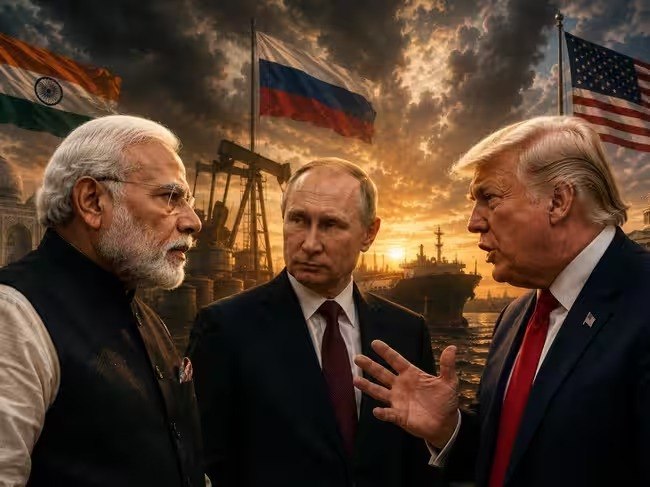
India’s continued acquisition of Russian crude oil, a trade valued at approximately $40 billion, has become a focal point of international debate. A new legislative proposal in the United States Senate threatens to impose a steep 100% tariff on countries that engage in energy purchases from Russia. This development places India, one of the largest buyers of Russian crude, in a precarious position, forcing a critical evaluation of its energy security and foreign policy.
The Global Trade Research Initiative (GTRI), a prominent Indian think tank, has strongly advocated for India to persist in its Russian oil imports. GTRI’s recommendation is rooted in the economic feasibility and strategic necessity of these purchases for India’s burgeoning economy, despite the looming threat of significant trade penalties from the US.
The Legislative Pressure from Washington
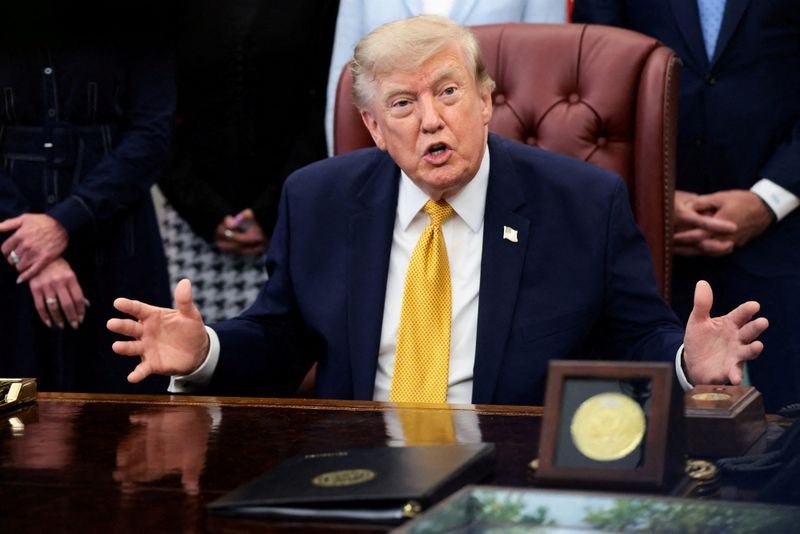
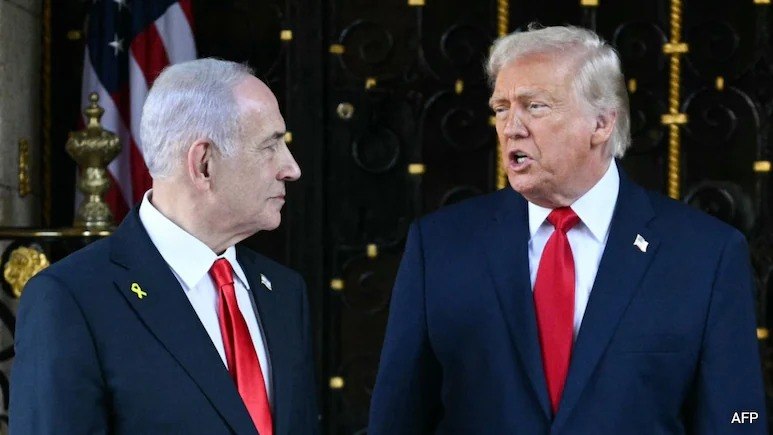
The proposed US Senate bill, reportedly championed by figures such as former President Donald Trump and Senator Lindsey Graham, aims to intensify economic pressure on Russia. By targeting countries that continue to purchase Russian energy, the bill seeks to diminish Russia’s revenue streams, thereby impacting its ability to fund ongoing conflicts.
This legislative move underscores a broader US strategy to isolate Russia economically on the global stage. For nations like India, which have historically maintained a policy of strategic autonomy, such measures present a direct challenge to their sovereign decision-making regarding trade and energy procurement.
India’s Energy Imperative
India, as the world’s third-largest oil consumer and importer, faces immense pressure to secure affordable energy supplies to fuel its rapid economic growth. The availability of discounted Russian crude following Western sanctions against Moscow offered a significant economic advantage, allowing India to mitigate inflationary pressures and stabilize its energy costs.
Prior to the geopolitical shifts of recent years, India primarily sourced its oil from the Middle East. The opportunity to diversify its energy basket with Russian oil not only provided a cost-effective alternative but also enhanced India’s energy security by reducing over-reliance on a single region.
Navigating Geopolitical Crosscurrents
The dilemma for India is multifaceted. On one hand, maintaining access to cheaper Russian oil is crucial for its economic stability and energy independence. On the other hand, the United States remains a vital strategic partner, a major trading ally, and a significant source of foreign direct investment and advanced technology.
India’s foreign policy has long been characterized by its ability to balance relationships with multiple global powers. This current situation tests that diplomatic dexterity, requiring New Delhi to weigh the immediate economic benefits of Russian oil against the potential long-term implications for its trade and strategic ties with the US.
GTRI’s Economic Rationale
GTRI’s counsel emphasizes that India’s decisions should primarily be guided by its national economic interests. The think tank argues that as long as purchasing Russian crude remains economically viable and beneficial for India, the country should continue to do so. They highlight the potential adverse effects on India’s economy if it were to abandon cheaper oil sources under external pressure.
The potential imposition of 100% tariffs by the US would undoubtedly increase the cost of Indian exports to the American market, potentially making them uncompetitive. This scenario could force Indian policymakers to make difficult choices, impacting various sectors of its economy and its global trade footprint.
Historical Precedents and Future Trajectories
India has a history of navigating complex international pressures, often prioritizing its national interests and strategic autonomy. During the Cold War, India maintained a non-aligned stance, fostering relations with both the US and the Soviet Union. This historical context informs its current approach to global power dynamics.
The outcome of this US legislative push will not only shape India’s energy procurement strategy but also set a precedent for how other nations might respond to similar pressures. It underscores the evolving nature of global trade and geopolitical alliances in a multipolar world, where economic leverage is increasingly used as a tool of foreign policy.
Editorial Context
This unfolding situation is more than just a trade dispute over oil; it represents a significant test of India’s strategic autonomy and its ability to chart an independent course in a complex global landscape. The long-term implications extend to the very architecture of international trade and the effectiveness of unilateral sanctions. Should the US proceed with these tariffs, it could force a re-evaluation of global supply chains and energy security strategies for many nations, potentially leading to a more fragmented international economic order. For India, successfully navigating this challenge will solidify its position as a major independent player on the world stage, capable of balancing diverse geopolitical interests while safeguarding its national economic imperatives. Conversely, succumbing to external pressure could set a precedent that limits its future policy options, impacting its long-term growth trajectory and its role in shaping a new global equilibrium.
TL;DR
- India continues significant Russian crude oil imports, valued at $40 billion.
- A proposed US Senate bill, backed by Trump and Lindsey Graham, threatens 100% tariffs on countries buying Russian energy.
- The Global Trade Research Initiative (GTRI) recommends India maintain its Russian oil purchases for economic feasibility.
- India faces a critical choice between securing cheaper oil and preserving its trade relations with the United States.
- This situation highlights India’s complex geopolitical balancing act between major global powers.