A Life-Altering Intervention
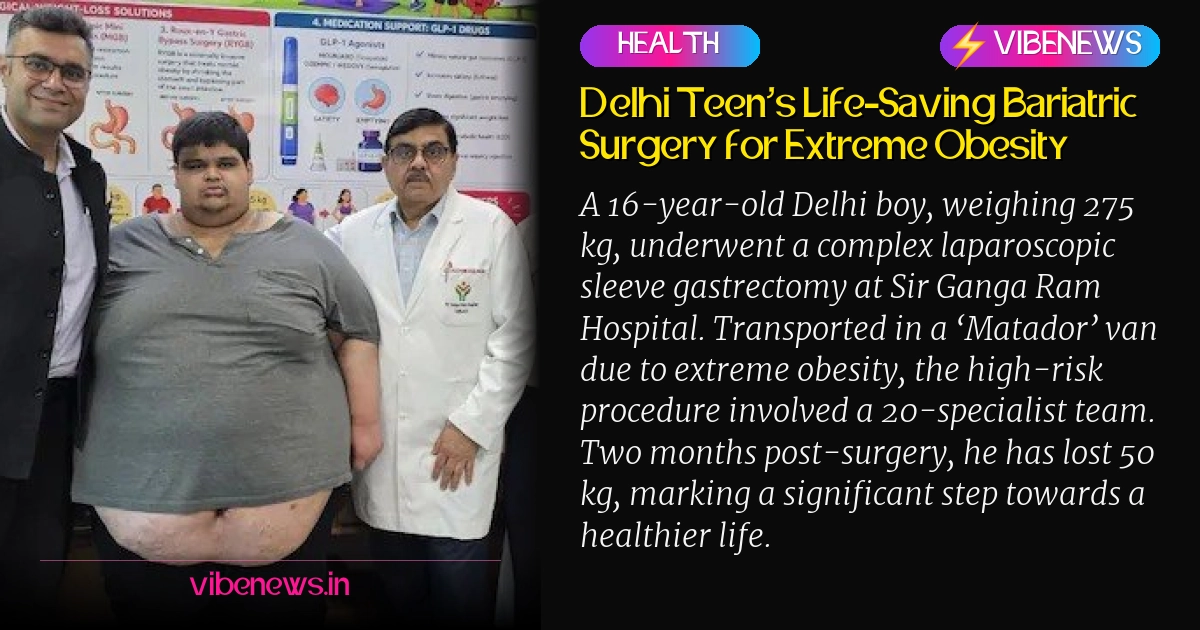
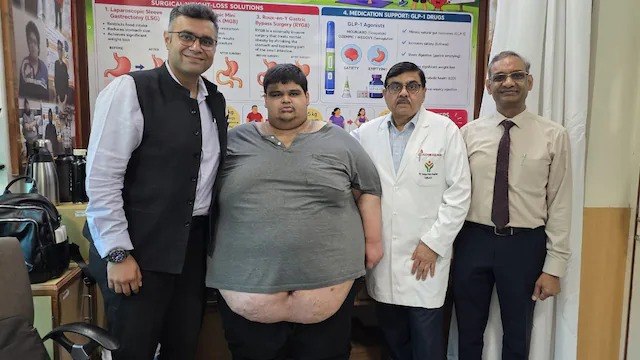
A 16-year-old boy from Delhi, grappling with extreme obesity, recently underwent a highly complex and life-saving bariatric surgery at Sir Ganga Ram Hospital. Weighing an astonishing 275 kilograms, the teenager’s condition had deteriorated to a critical point, marked by severe breathing difficulties, obstructive sleep apnea, and widespread skin infections. This medical intervention represents a significant milestone in addressing the severe health challenges posed by morbid obesity in young patients.
The Unconventional Journey to Care
The sheer scale of the teenager’s weight presented immediate logistical hurdles even before his admission. Unable to fit into a standard ambulance or car, he required transportation to the hospital in a ‘Matador’ van, highlighting the extraordinary circumstances surrounding his care. Upon arrival, medical examinations confirmed the severity of his condition, necessitating immediate and intensive care. He spent approximately two weeks in the Pediatric Intensive Care Unit (PICU) for stabilization and treatment of his acute respiratory complications, a crucial preparatory phase before any surgical consideration.
Navigating Unprecedented Risks
With a Body Mass Index (BMI) nearing 100, the case demanded an exhaustive multidisciplinary evaluation. A formidable team of approximately 20 specialists converged, drawing expertise from pediatric critical care, bariatric surgery, pediatric gastroenterology, pediatric cardiology, and anesthesiology. Their collective task was to meticulously assess the profound risks associated with the surgery, including anesthesia administration, patient positioning during the procedure, the laparoscopic approach itself, and the intricate demands of post-operative respiratory care. This collaborative approach underscored the gravity and complexity of operating on a patient of such young age and extreme weight.
A Collaborative Medical Triumph
Following extensive discussions with the family, the medical consensus affirmed bariatric surgery as the most viable pathway to address the teenager’s life-threatening obesity and its myriad complications. The surgical team, led by Dr. Daksh Sethi, Dr. Sudhir Kalhan, Dr. Mukund Khetan, and Dr. Suviraj John from the Institute of Minimal Access, Metabolic, and Bariatric Surgery, performed a laparoscopic sleeve gastrectomy. Despite considerable technical challenges posed by the patient’s body habitus, the procedure was successfully completed. Dr. Anil Sachdev, Head of Pediatric Critical Care, was instrumental in the patient’s pre-operative optimization and intensive care management, while a dedicated anesthesia team and specialists in gastroenterology and cardiology ensured comprehensive support.
Initial Victories and Future Horizons
Remarkably, the teenager was discharged from the hospital just three days after the complex surgery, a testament to the meticulous planning and execution of his care. The initial two-month follow-up has yielded encouraging results, with his weight decreasing from 275 kg to 223 kg, a significant reduction of nearly 50 kilograms. This early success is a powerful indicator of the procedure’s effectiveness, yet the medical team emphasizes that the journey extends far beyond mere weight loss. The primary objective is to fundamentally improve the patient’s long-term health, enhance his mobility, and significantly elevate his overall quality of life.
Editorial Context: Addressing the Silent Epidemic
This extraordinary case from Delhi casts a spotlight on the escalating challenge of extreme obesity, particularly among adolescents in India. While often overshadowed by other health crises, the rising prevalence of morbid obesity in young populations presents a ticking time bomb of future health complications, including type 2 diabetes, cardiovascular diseases, joint problems, and severe psychological distress. The logistical difficulties encountered in transporting the patient, and the sheer scale of medical resources required, underscore the societal and healthcare system burdens imposed by this condition.
The decision to perform bariatric surgery on a minor is never taken lightly, reflecting a careful balance between immediate life-saving intervention and the long-term implications for a developing individual. Such advanced procedures, while offering a lifeline, also necessitate a robust post-operative support system encompassing dietary changes, physical activity, and psychological counseling to ensure sustained success. This case exemplifies the critical role of specialized medical institutions and highly skilled multidisciplinary teams in tackling complex health challenges that push the boundaries of conventional medicine, offering hope where traditional methods have fallen short. It serves as a stark reminder of the urgent need for public health initiatives focused on prevention, early intervention, and comprehensive management strategies to combat the growing epidemic of pediatric obesity across the nation.
TL;DR
- A 16-year-old Delhi boy, weighing 275 kg, underwent a complex laparoscopic sleeve gastrectomy at Sir Ganga Ram Hospital.
- Due to his extreme weight, he was transported to the hospital in a ‘Matador’ van.
- A multidisciplinary team of approximately 20 specialists managed the high-risk procedure, addressing severe breathing difficulties and sleep apnea.
- The surgery was successfully performed by a team from the Institute of Minimal Access, Metabolic, and Bariatric Surgery.
- Two months post-surgery, the teenager has lost nearly 50 kg, reducing his weight to 223 kg.
- The long-term goal extends beyond weight loss to improving his overall health, mobility, and quality of life.