
The Viral Diet Claim
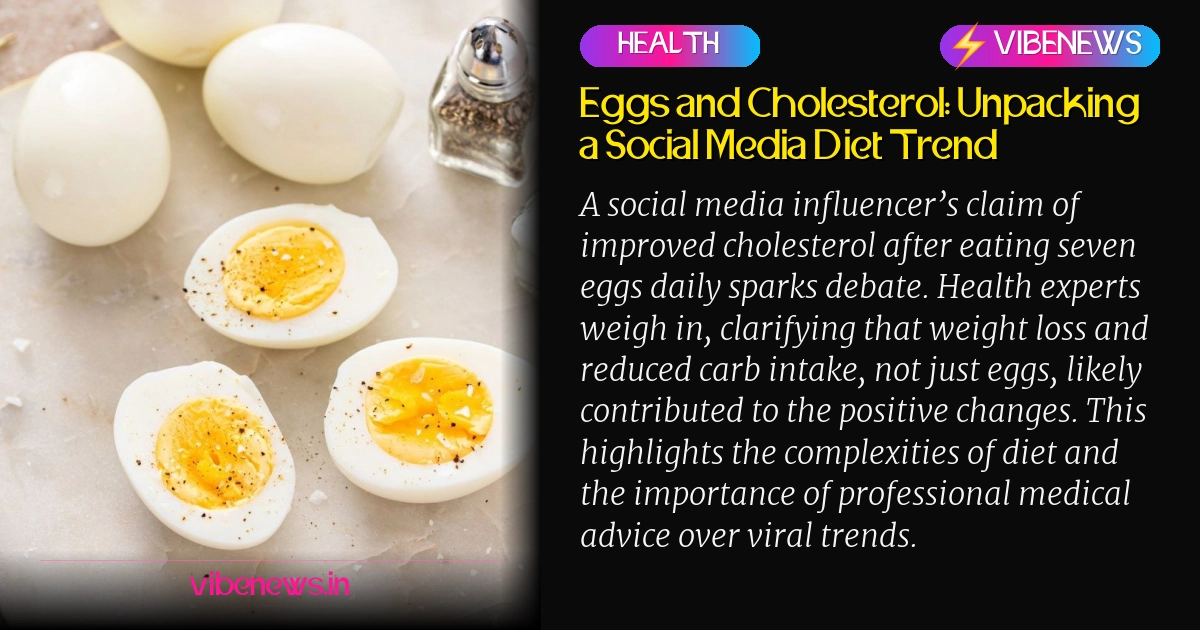
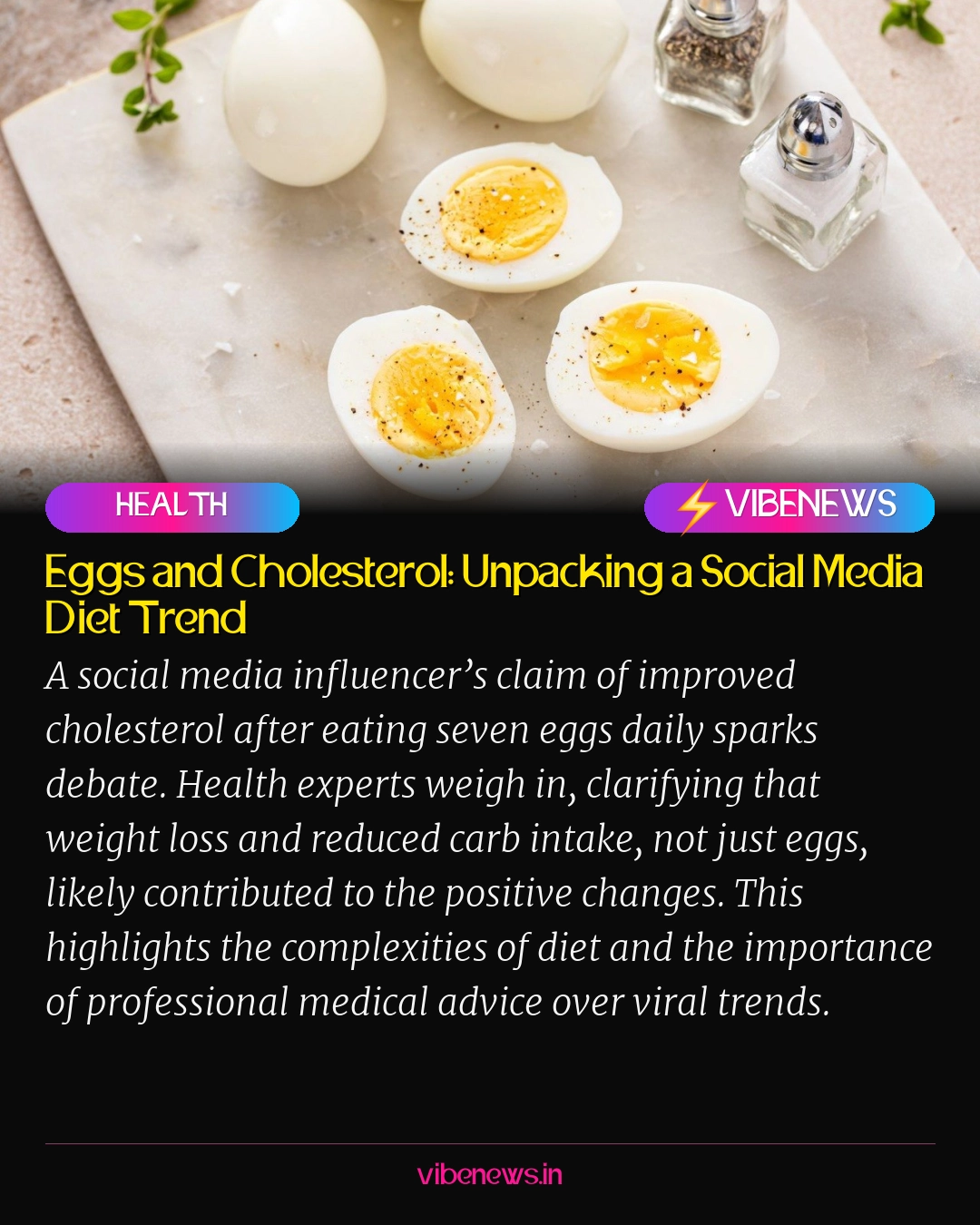
A recent social media trend has ignited discussions around dietary cholesterol, spurred by influencer Vivek Rajpoot. Rajpoot, who reportedly lost 20 kilograms in seven months, shared his daily regimen, which notably includes consuming seven whole boiled eggs every evening. This claim quickly drew attention, with many followers expressing concern over the potential impact on cholesterol levels.
In response to the public’s apprehension, Rajpoot posted a follow-up video asserting that his triglycerides had significantly decreased from 280 to 94, and his total cholesterol dropped from 200 to 180. He attributed these improvements to his diet, which also involved eliminating wheat, maida (refined flour), and roti.
Expert Perspectives on Dietary Cholesterol
The influencer’s claims prompted medical professionals to offer clarity. Dr. Vartika Vishwani, an oncologist, addressed the issue directly in an Instagram video. She highlighted that seven whole eggs contain approximately 1300 mg of cholesterol, a quantity that typically raises questions about its health implications.
Dr. Vishwani explained that Rajpoot’s positive lipid profile was likely a result of his broader dietary changes, specifically the reduction in overall carbohydrate intake by avoiding roti, bread, and maida. She noted that low-carb diets are known to improve both triglycerides and HDL cholesterol. Furthermore, his significant weight loss would have also contributed positively to his lipid profile, rather than the eggs themselves being the sole or primary cause of cholesterol reduction.
Beyond the Egg: A Balanced Dietary Approach
Dietician Surabhi Sharma, Head of Dietetics and Nutrition at Max Hospital, Gurugram, echoed these sentiments, emphasizing the importance of a balanced diet. While acknowledging eggs as a rich source of protein, vitamin B12, choline, and selenium, she cautioned against relying too heavily on a single food item. Such an approach can lead to nutritional deficiencies by displacing other vital food groups like vegetables, fruits, whole grains, legumes, nuts, and seeds.
Ms. Sharma also clarified that giving up wheat or roti is not inherently beneficial for cholesterol reduction; in fact, the fiber present in whole wheat foods can actively help manage cholesterol. She stressed that cholesterol levels are influenced by a multitude of factors, including the type of food consumed, saturated fat intake, weight, physical activity, genetics, and even medication.
Evolving Understanding of Eggs and Heart Health
For decades, eggs were viewed with suspicion due to their high cholesterol content. However, modern research has largely debunked the direct link between dietary cholesterol from eggs and increased heart disease risk for most healthy individuals. Studies now indicate that saturated and trans fats have a far greater impact on raising blood cholesterol levels than the cholesterol found in eggs.
The American Heart Association generally advises that healthy individuals can consume one egg per day. However, for those with pre-existing conditions like high cholesterol or a heightened risk of heart disease, personalized dietary advice from a healthcare professional is crucial. The effects of dietary choices, including egg consumption, can vary significantly from person to person based on individual metabolic responses and genetic predispositions.
Navigating Dietary Advice in the Digital Age
Ms. Sharma strongly recommends that individuals with health conditions consult their doctors or registered dieticians for tailored advice, rather than adopting extreme diets based on social media trends. Health experts and global health bodies consistently advocate for a well-balanced diet combined with regular physical activity, not only for weight management but also for overall metabolic health and disease prevention.
The incident underscores a growing challenge in the digital age: distinguishing between anecdotal evidence shared on social media and scientifically backed medical advice. While personal success stories can be inspiring, they rarely account for the complex interplay of individual health factors and should not be generalized as universal recommendations.
Editorial Context
This development highlights a critical intersection of public health, social media influence, and nutritional science. In an era where health information is readily available but often unfiltered, the distinction between personal experience and evidence-based medical advice becomes paramount. The story of Vivek Rajpoot and the subsequent expert reactions serves as a vital reminder for consumers to approach viral diet trends with caution and to prioritize consultation with qualified healthcare professionals. It underscores the long-term importance of promoting health literacy, enabling individuals to critically evaluate dietary claims and make informed choices that are truly beneficial for their unique physiological needs, rather than succumbing to potentially misleading fads.
TL;DR
- A social media influencer claimed improved cholesterol after eating seven eggs daily, alongside a low-carb diet and significant weight loss.
- Health experts, including Dr. Vartika Vishwani, clarified that the cholesterol improvement was likely due to reduced carb intake and weight loss, not solely the eggs.
- Dietician Surabhi Sharma emphasized the importance of a balanced diet, warning against over-reliance on a single food item and highlighting the role of fiber in cholesterol management.
- Modern research indicates saturated and trans fats have a greater impact on blood cholesterol than dietary cholesterol from eggs for most healthy individuals.
- The American Heart Association suggests one egg per day for healthy people, but those with high cholesterol or heart disease risk need personalized medical advice.
- Experts strongly advise consulting doctors or dieticians for dietary guidance instead of following extreme social media trends.