Medical experts are warning households to rethink the naphthalene balls they routinely place in wardrobes, bathrooms and toilets, saying the chemical inside is a pesticide that can harm children, pets and adults. A health report published on October 25, 2026, lays out the risks and the simple steps families can take instead.
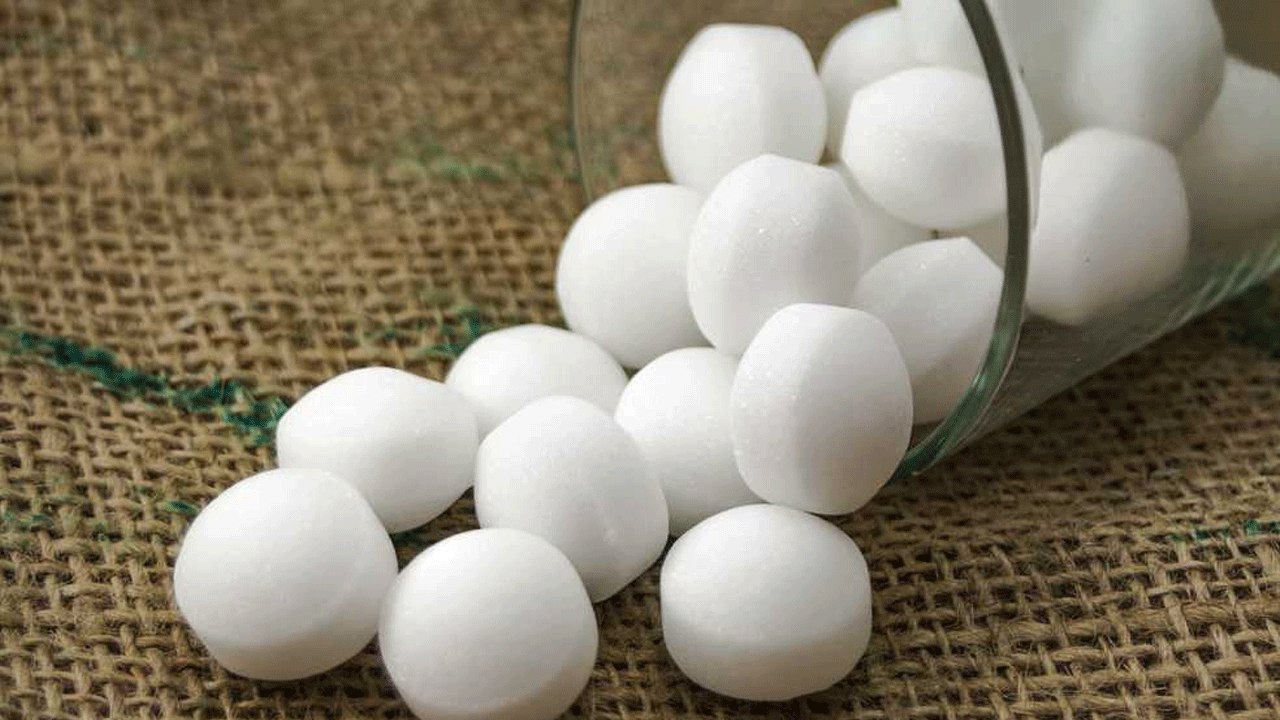
Winter is when many families pack away woollens and cotton sarees, and the white balls go in alongside them. They keep cockroaches and other insects away from clothes and leave a sharp, familiar smell in the cupboard. Many people also drop them into bathrooms and toilets to mask odours or drive out pests. The habit is so common that most households never question it.
The smell is the chemical at work
The balls do not have to melt or shrink to be a problem. Naphthalene molecules slowly move into the air at room temperature, a process known as sublimation. That is why the strong odour hits the moment a wardrobe door opens.
In closed cupboards with poor airflow, those vapours can build up. The report notes that airing out the cupboard by keeping the doors open lets some of the vapour escape and reduces the harsh smell. Still, the experts say that repeatedly breathing in the fumes is not safe.
What the exposure can do to the body
Short-term exposure can bring headaches, nausea, dizziness, burning in the eyes and nose, and weakness. These are the symptoms people are most likely to notice first, and they are easy to dismiss as a stuffy room or a bad cold.
The risks go further at higher levels. If the chemical enters the body in large amounts, it can damage red blood cells and lead to anaemia. The liver, kidneys and nervous system can also be affected. Many people who keep these balls in their homes have no idea these outcomes are possible.
Why children are at greatest risk
Children face a sharper danger. The balls are small, and young children have a habit of putting objects in their mouths. Swallowing even one can cause severe poisoning. For this reason, the experts advise keeping naphthalene balls out of rooms where children play or sleep. They should never be stored in containers meant for food, either.
Parents often store household products on low shelves or in drawers that children can reach. The report makes clear that a ball left in an accessible place is enough to create a serious emergency.
Pets are not safe either
Dogs and cats can be harmed in the same way. If they chew or swallow naphthalene balls, they may show vomiting, stomach pain and weakness. Anaemia, nervous system problems and organ damage are also possible. Leaving the balls on the floor is especially dangerous, because pets can pick them up without warning.
Bathrooms and toilets are a bad place for them
Using naphthalene balls to control odour or insects in bathrooms and toilets is one of the habits the experts specifically reject. Poorly ventilated spaces make it more likely that vapours collect and concentrate in the air. Anyone who uses those rooms every day is breathing in that air repeatedly.
Naphthalene is a chemical pesticide, and inhaling its fumes for long periods, swallowing it by mistake, or prolonged contact with the skin can harm health.
Safer ways to protect clothes
The alternative the experts recommend is simple. Clothes should be washed and fully dried before they are stored. They should then be kept in airtight containers or garment bags, and cupboards should be kept dry and uncluttered. For clothes that stay in storage for a long time, the report suggests taking them out from time to time and letting them air.
Washing does help. It can remove some of the chemical residue on fabric. But the report is clear that washing cannot guarantee every trace will go. Vapours or residue can also settle on cupboard shelves and storage boxes, not just on clothes.
What households should do before reusing a cupboard: wash the clothes, clean the cupboard and storage boxes, and let the space air out thoroughly before putting anything back. The experts say this step matters as much as the washing itself.
The bottom line for homes: the smell that many people accept as normal is the chemical slowly leaving the ball. Once families understand that, the decision to remove naphthalene balls from wardrobes, bathrooms and toilets becomes much easier, especially in homes with young children or pets.
TL;DR
- Medical experts warn that naphthalene balls are a chemical pesticide, not a harmless household freshener.
- The strong smell comes from vapours that escape the ball even when it has not melted.
- Children face severe poisoning risk if they swallow a ball, and pets can suffer similar harm.
- Symptoms of exposure include headaches, nausea, dizziness, eye and nose burning, and weakness.
- High exposure can damage red blood cells, causing anaemia, and may affect the liver, kidneys and nerves.
- Safer storage means washing and drying clothes, using airtight containers, and airing cupboards regularly.