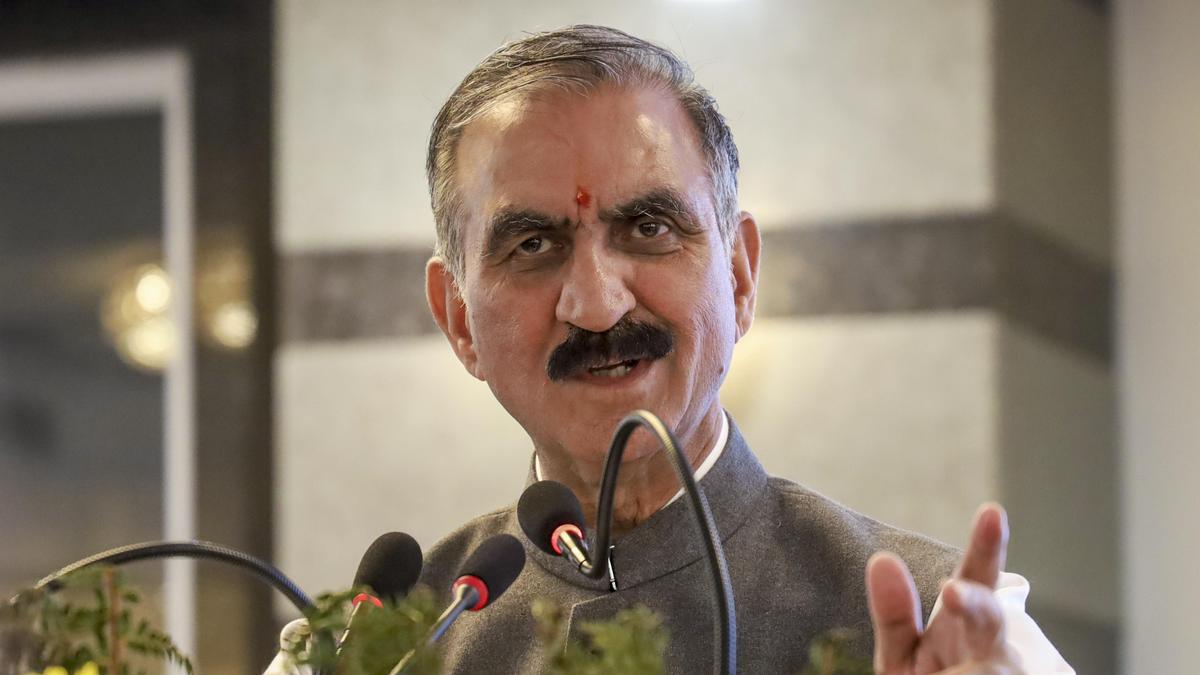
Uttar Pradesh Chief Minister Yogi Adityanath has told anyone who fired on Ram devotees or ordered lathicharges on saints to apologise before they set foot in the Ram Temple. He made the demand on Saturday, November 7, 2026, hours after it was announced that Samajwadi Party president Akhilesh Yadav would visit the temple in Ayodhya on December 12.
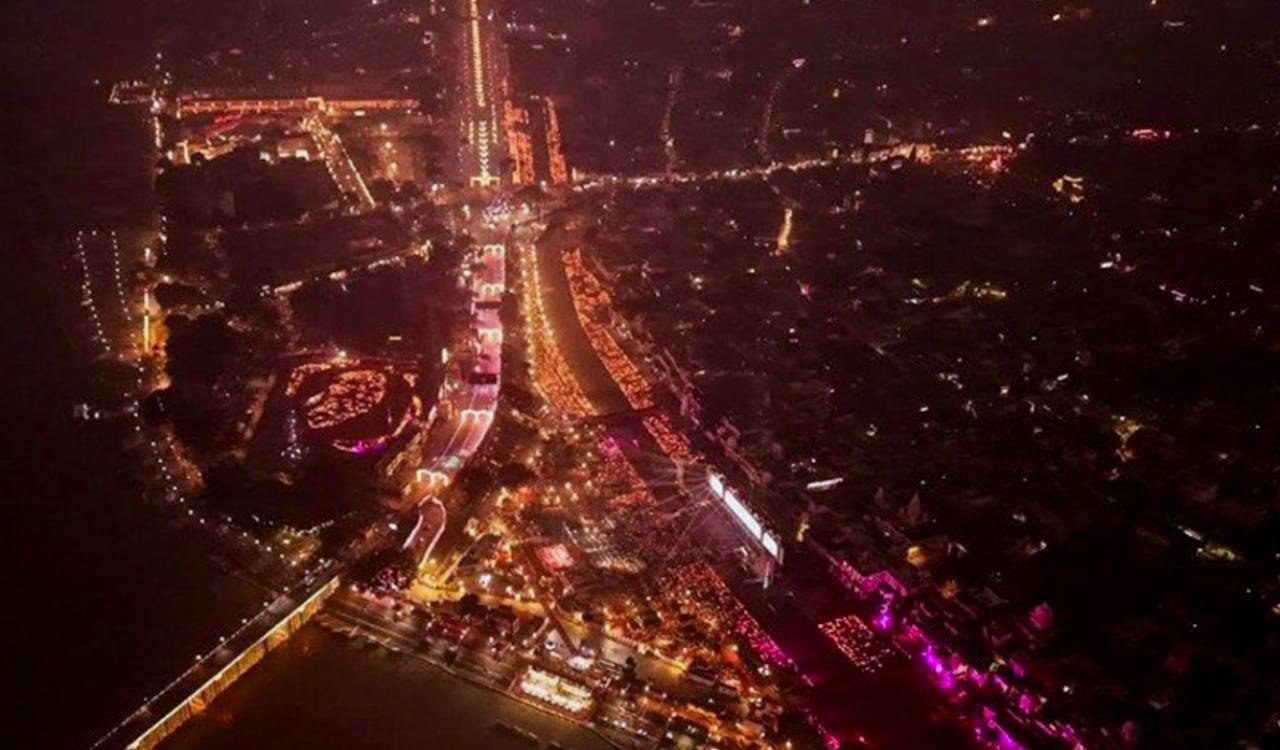
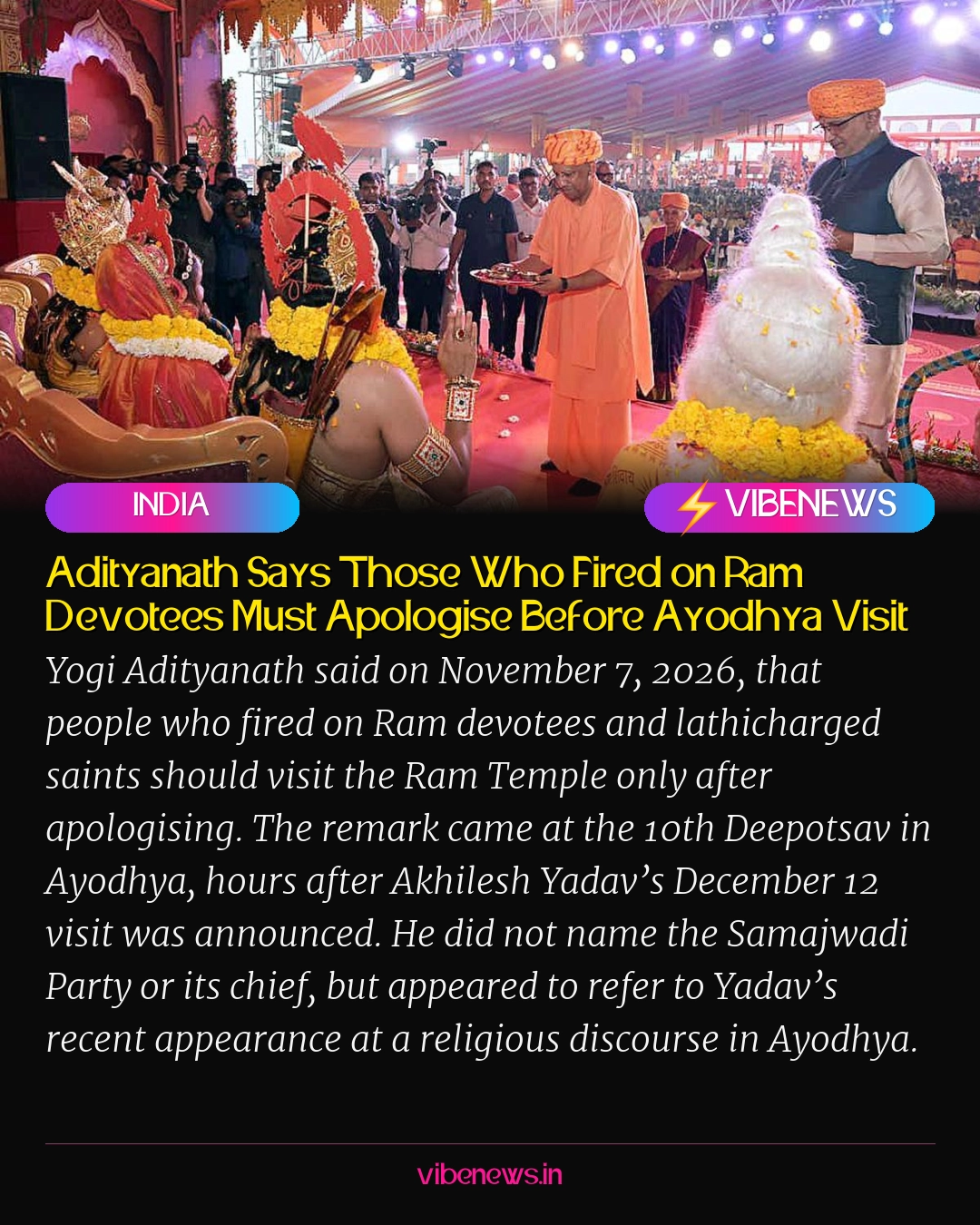
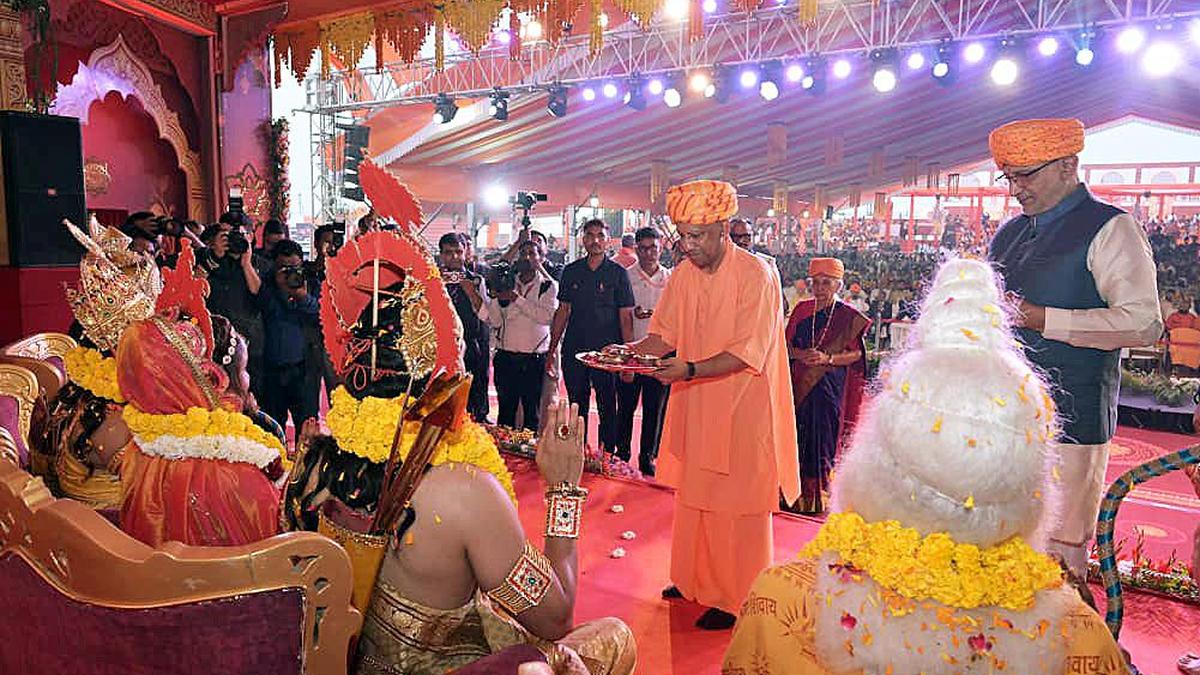
Adityanath spoke at the 10th edition of Deepotsav in Ayodhya. Vice-President C.P. Radhakrishnan and Governor Anandiben Patel were among those present. The Chief Minister did not name the Samajwadi Party or Yadav. Still, the target was hard to miss, and he said so in his own words.
“Let them apologise once to Ram devotees and once to the saints. Let them repent for their actions.”
Adityanath said that those who “neglected and insulted” Ayodhya, opened fire on Ram devotees and subjected saints to lathicharge should come to the city only after apologising. He added that they should certainly come, but not before they had asked forgiveness.
He then turned to a recent event. Adityanath said he appeared to be referring to Yadav’s recent appearance at a religious discourse in Ayodhya. “Those who used to leave the streets of Ayodhya soaked in blood are today unable even to recall their own past,” he said. He also questioned whether the people involved understood the basic etiquette of such events. “When they go to a religious discourse, they do not even know the decorum of a ‘katha’,” he said. “Is it a katha or a mushaira? Even this they do not know.”
The jibe about a katha and a mushaira, a poetry gathering, was the sharpest line of the speech for those in the audience who follow the political back-and-forth closely. It framed the opposition as outsiders to the religious life of the city.
Adityanath placed Lord Ram at the centre of his address. He described Ram as the representation of India’s national consciousness, culture, values and self-respect, and called him the very life force of the nation. “Look at the scene that has come alive before us today,” he said. “This is the strength of Lord Ram’s consciousness. It is, in fact, the consciousness of India.”
He reminded the crowd that Hindu scriptures count Ayodhya among the seven sacred cities, the Saptapuris. He said the city had faced several challenges, but that Ram devotees, saints, Naga ascetics, Nihang Sikhs and people from every section of society had resisted them. He paid tributes to former Vishva Hindu Parishad chief Ashok Singhal and to Prime Minister Narendra Modi for the success of the Ram Janmabhoomi movement.
Adityanath’s speech also carried a historical charge. “There was a time when even uttering the name of Shri Ram in Ayodhya invited lathis and bullets,” he said. “Banning the very name of Ram in this city was a sin. Ayodhya was neglected and almost consigned to oblivion.” He said the city had now come alive again and was reminding people of the Treta Yuga.
He also took aim at the Congress, though again without naming the party. He referred to the long legal battle over the Ram Janmabhoomi site and to attempts in courts to question Lord Ram’s existence. “Those who assembled an army of lawyers in courts to deny the existence of Lord Ram have at least now acquired the wisdom to accept his existence,” he said. “This is our ideological victory.”
He followed that with a warning built on the Ramayana. “Ram accepts everyone. But if someone comes in the guise of Mareech, he will not be able to escape Ram’s arrows.” Mareech was the demon who disguised himself as a golden deer to lure Lord Ram away from Sita.
Adityanath extended the metaphor to the national stage. He said that while the country was moving forward under Modi’s leadership, “Manthara and Mareech sitting in the chamber of anger” were conspiring to destabilise the country. According to him, they were trying to revive Naxalism, terrorism and anarchy. He did not offer specifics about who he meant or what evidence supported the claim in his remarks.
The Chief Minister then listed what he described as changes in Ayodhya over the past decade. A decade ago, he said, few could have imagined the city hosting a grand Deepotsav, or its women returning home late at night without fear. He said Ayodhya was once marked by poor electricity supply, inadequate sanitation and narrow lanes. Today, he said, four-lane roads lead to the Ram Temple. The city has an international airport named after Maharishi Valmiki, expanded corridors and a developed railway station served by Vande Bharat and Amrit Bharat trains. He added that Ayodhya is also emerging as a solar city.
Adityanath said the message of Deepotsav, which he linked to security, good governance and prosperity, was reaching villages across the State. He recalled the first edition of the festival in 2017, when 25,000 lamps were lit. At that time, he claimed, the State lacked funds even to pay government employees’ salaries.
He ended with an accusation against earlier governments. He said they had looted public money through syndicates and bought properties abroad. These are his allegations, made from the stage at a state-backed religious event, and the source material does not include any response from the Samajwadi Party or Akhilesh Yadav to the remarks.
The political stakes are clear. A visit by the opposition chief to the Ram Temple, announced for December 12, has already become a flashpoint. Adityanath’s demand that the visit be preceded by an apology turns a routine temple visit into a test of who is allowed to claim the faith of Ayodhya. Whether the Samajwadi Party responds in kind, and whether the December 12 visit proceeds as planned, will decide how far this confrontation runs.
TL;DR
- Yogi Adityanath said on Saturday that those who fired on Ram devotees should visit the Ram Temple only after apologising.
- His remarks came at the 10th Deepotsav in Ayodhya, hours after Akhilesh Yadav’s December 12 visit was announced.
- Adityanath did not name the Samajwadi Party or Yadav, but appeared to refer to Yadav’s recent religious discourse appearance.
- He accused opponents of insulting Ayodhya and lacking basic decorum at a katha, saying it was like a mushaira.
- Adityanath also accused previous governments of looting public money through syndicates and buying properties abroad.
- He credited Ayodhya’s transformation to four-lane roads, an international airport and Vande Bharat trains.