Ministry Stands Firm on Asian Games Selection
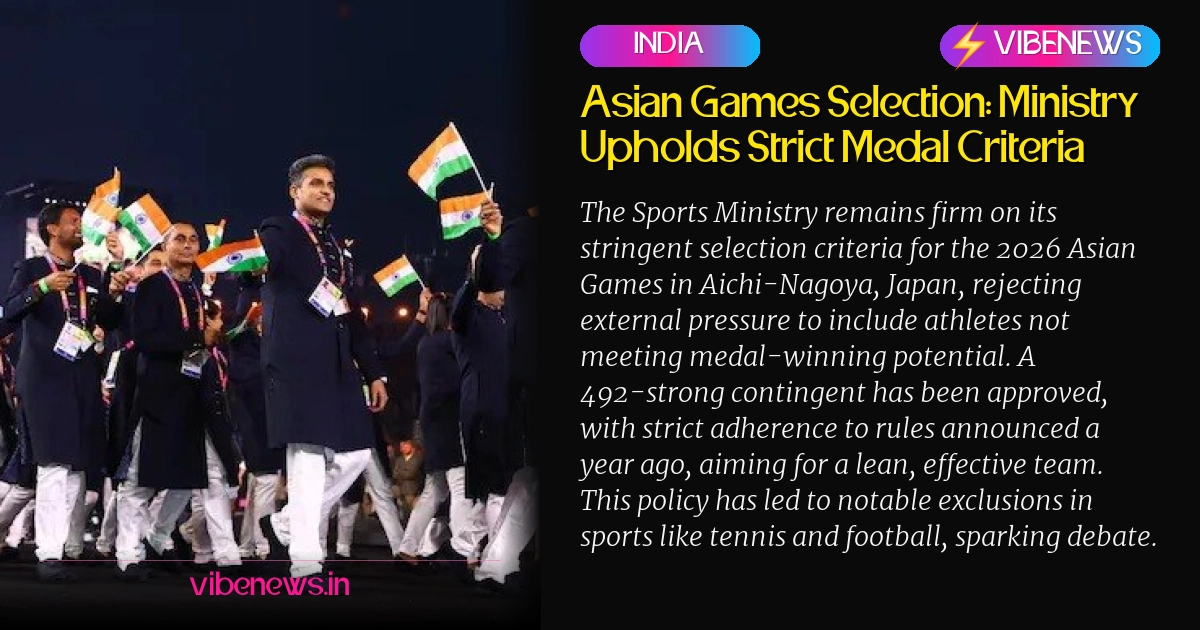
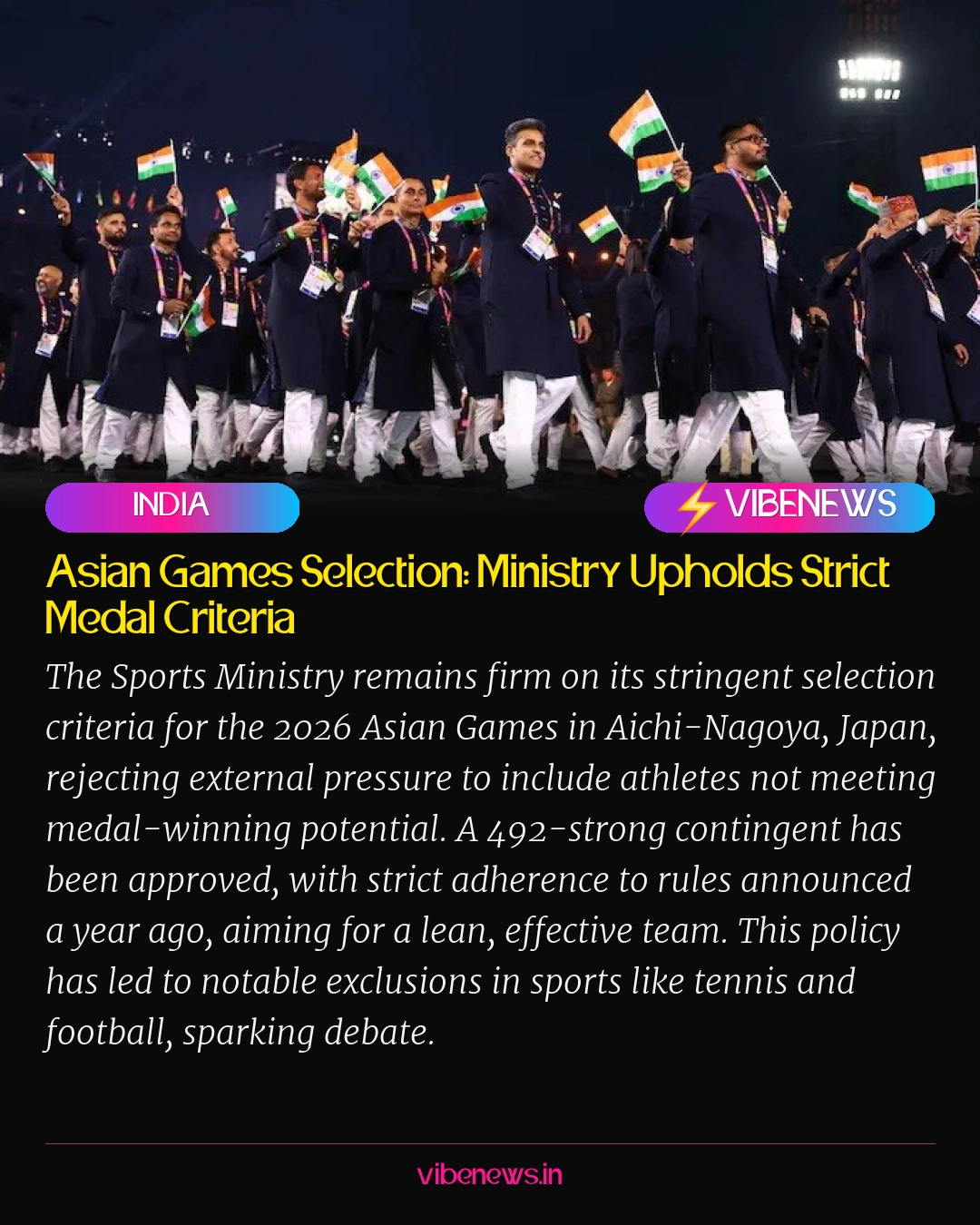
The Sports Ministry has unequivocally stated its commitment to the strict selection criteria for the upcoming 2026 Asian Games in Aichi-Nagoya, Japan. Despite considerable pressure from various quarters, including parents and sports associations, the ministry has ruled out any possibility of relaxing the standards for athletes who do not meet the pre-announced benchmarks.
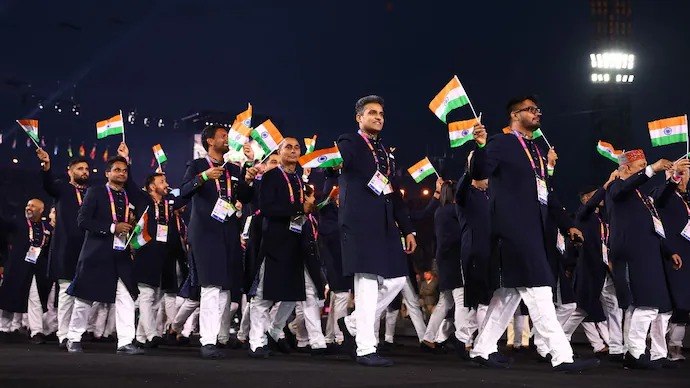
A 492-strong contingent of athletes has already received approval for the multi-sport event scheduled from September 19 to October 4. Athletics constitutes the largest segment of this list, with 73 names. While a few more additions might be considered, the ministry has made it clear that such inclusions will strictly adhere to the established criteria, not at the expense of flouting them.
Upholding Meritocracy in National Representation
Sources within the Sports Ministry revealed the extent of the pressure faced, with appeals from parents whose children were not selected. The ministry’s consistent response has been that selection is purely merit-based, stating, "If your child merits selection (fulfils the selection criteria), there is no way that he or she will not be selected." This stance underscores a commitment to performance over patronage.
The ministry illustrated its position with a clear example: questioning the logic of sending an athlete who runs 15 seconds in a 100m event when a 10-second runner is needed to contend for a medal. The core principle is to select athletes who are realistically in the top six in Asia for their respective events, ensuring a competitive and medal-focused contingent.
The Policy Framework for Selection
The stringent selection criteria were first unveiled in 2025, making it clear that only athletes with a "realistic chance of winning a medal" would be considered for major multi-sport events like the Asian Games. These criteria mandated selection trials that would be videographed and overseen by independent observers, ensuring transparency and fairness in the process.
A crucial component of this framework was the requirement for athletes to be ranked among the top six in continental rankings. This specific cut-off has had significant implications, notably leading to the early exclusion of the Indian football team from the Asiad due to its plummeting international rankings, a decision that sparked considerable debate at the time.
Controversies and Notable Exclusions
Finalizing India’s contingent for multi-sport events has historically been a contentious process, often leading to legal challenges from omitted athletes. In a recent instance, equestrian Anush Agarwalla contested his non-selection in the Delhi High Court, though his appeal was ultimately dismissed by the Supreme Court, reinforcing the ministry’s authority in selection matters.
More recently, the omission of five players from the squad initially recommended by the All India Tennis Association (AITA) has ignited another storm. Sumit Nagal remains the sole singles player in the men’s contingent, while several recommended women players, including India’s number one Sahaja Yamalapalli (ranked 344 in WTA), were excluded. This decision has drawn heavy criticism from the AITA and prominent former players like Rohan Bopanna, highlighting the tension between national federations and the ministry’s overarching policy.
A Shift in National Sporting Philosophy
Sports Minister Mansukh Mandaviya had previously asserted that events like the Asian Games should not be perceived as mere exposure trips for athletes. His vision emphasizes sending only the best to represent India, with a clear objective of securing medals. This philosophy underpins the ministry’s current resolve to send a "lean but effective contingent," a strategy that was communicated a year ago, giving all athletes ample time to meet the required standards.
The ministry’s consistent message has been that the criteria were announced well in advance, providing every aspiring athlete with the opportunity to prepare and qualify. This proactive approach aims to streamline the selection process and minimize last-minute disputes, fostering a culture of accountability and performance among athletes and federations alike.
Editorial Context: A New Era for Indian Sports
The Sports Ministry’s unwavering stance on selection criteria for the Asian Games marks a significant paradigm shift in India’s approach to international multi-sport events. Historically, contingents have often included athletes whose medal prospects were marginal, sometimes due to political influence or a broader aim of providing ‘exposure’. This new policy signals a decisive move towards a meritocratic system, prioritizing genuine medal potential above all else.
This development is crucial for India’s long-term sporting ambitions. By focusing resources and opportunities on top-tier athletes, the nation aims to enhance its medal tally and improve its standing on the global sporting stage. While this strictness may lead to heartbreak for some athletes and generate friction with national sports federations, it reflects a maturing sports administration that is increasingly performance-driven.
The policy’s success will be measured not just by the number of medals won, but also by its ability to foster a more competitive and accountable sporting ecosystem. It challenges athletes to consistently perform at an elite level and compels federations to develop talent with a clear pathway to international success. This strategic pivot could redefine India’s presence in future multi-sport events, positioning the country as a serious contender rather than merely a participant.
TL;DR
- The Sports Ministry has confirmed its strict adherence to selection criteria for the 2026 Asian Games in Aichi-Nagoya, Japan.
- Criteria, announced in 2025, prioritize athletes with a "realistic chance of winning a medal" and those ranked in the top six continentally.
- A 492-strong contingent has been approved, with any further additions strictly contingent on meeting the established standards.
- Notable exclusions include the Indian football team and several tennis players, leading to criticism from sports bodies like AITA.
- The ministry emphasizes sending a lean, effective contingent, rejecting pressure for non-meritorious inclusions.
- This policy reflects a significant shift towards performance-based selection for multi-sport events, aiming for higher medal tallies.