The Apex Decision-Making Body
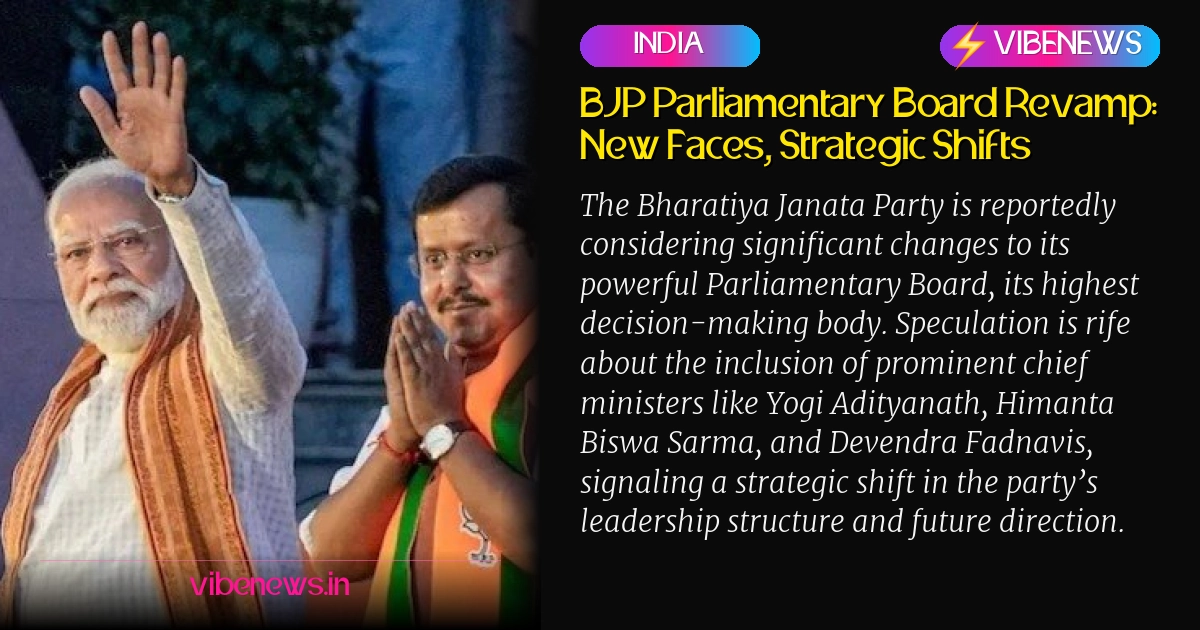
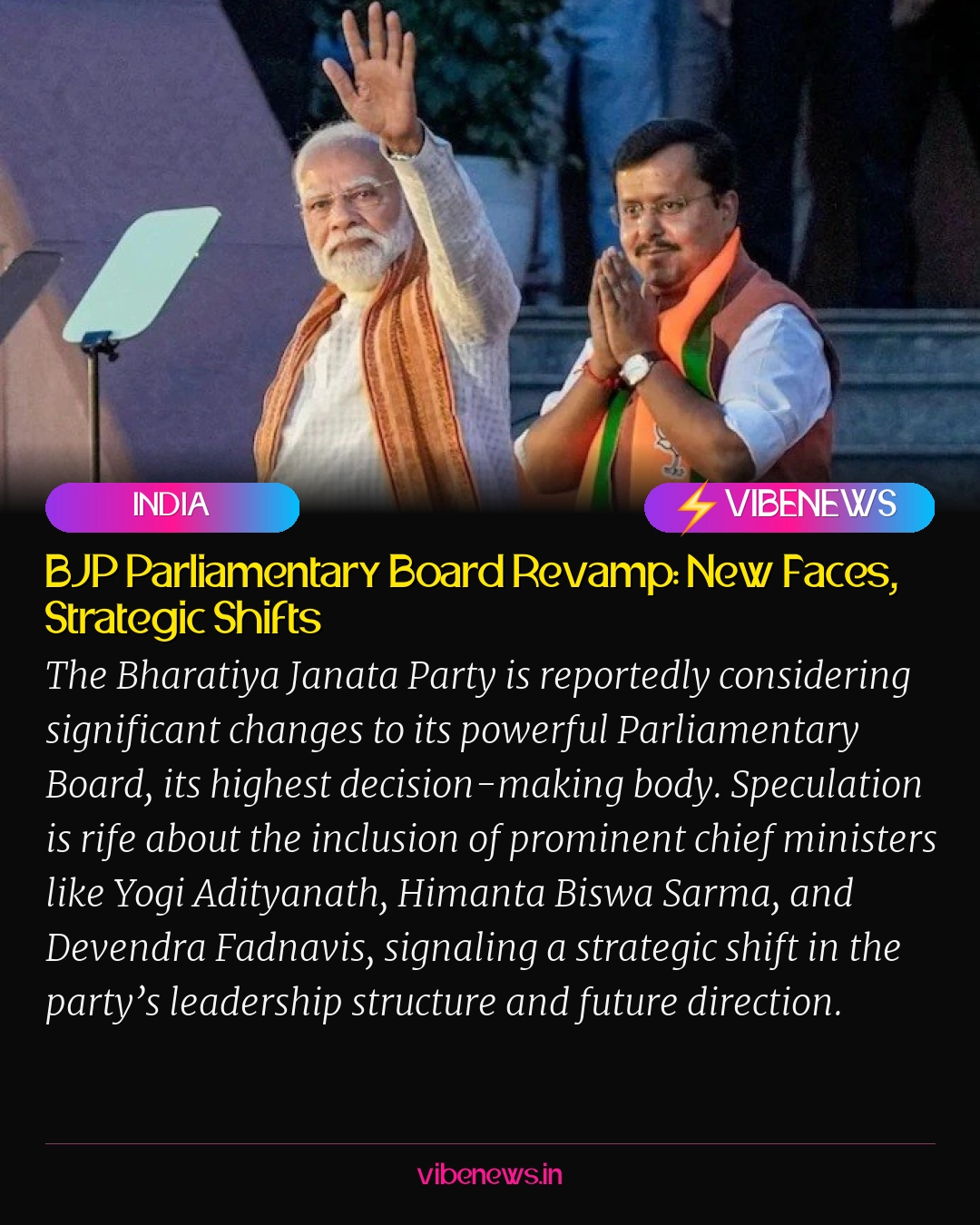
Following the announcement of Bharatiya Janata Party president Nitin Nabin’s new team, significant speculation has emerged regarding a comprehensive restructuring of the party’s highest decision-making body, the Parliamentary Board. This powerful 12-member committee currently includes stalwarts such as Prime Minister Narendra Modi, Defence Minister Rajnath Singh, Home Minister Amit Shah, and party president JP Nadda.
Under the BJP’s constitution, the Parliamentary Board wields immense authority. Its responsibilities encompass recommending names for the crucial posts of Prime Minister and chief ministers, formulating key policy decisions, determining political alliances, and initiating disciplinary actions against party members. This makes its composition a critical indicator of the party’s future trajectory and internal power dynamics.
All members of the Parliamentary Board are also mandatory members of the Central Election Committee, which holds the final say in selecting candidates for various elections. The party president serves as the ex-officio chairperson of the Parliamentary Board, while the national general secretary (organisation), currently BL Santosh, functions as its secretary. The party constitution stipulates a maximum of 11 members, including the president, for the board.
A Contentious History of Chief Ministers
The selection process for the Parliamentary Board traditionally considers seniority, alongside regional, caste, and religious representation to ensure a broad appeal. However, the inclusion of serving chief ministers on the board has historically been a point of contention within the party.
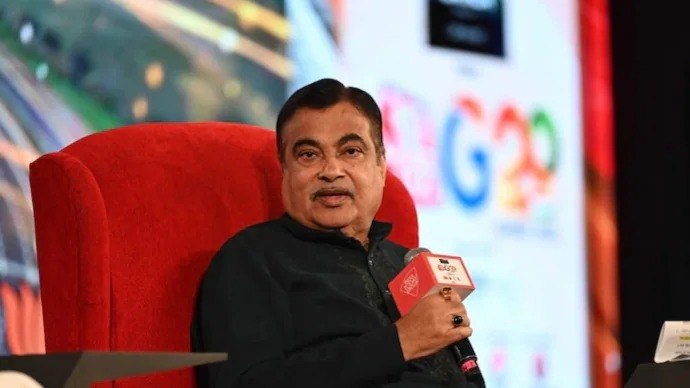
A notable instance occurred in 2006 when then-party president Rajnath Singh removed Narendra Modi, who was then the Chief Minister of Gujarat, from the board. Modi was subsequently re-inducted in 2013, highlighting the fluid nature of these appointments. More recently, in 2022, then-party president JP Nadda removed Madhya Pradesh Chief Minister Shivraj Singh Chouhan and former party president Nitin Gadkari from the board.
The rationale behind this cautious approach is rooted in the potential for a conflict of interest. Since the Parliamentary Board is responsible for selecting chief ministers, having a serving chief minister as a member could compromise the impartiality of the selection process. This historical precedent underscores the careful consideration given to the board’s composition.
New Faces, Strategic Imperatives
Amidst the ongoing discussions, several prominent leaders are reportedly being considered for a place on the revamped Parliamentary Board. Among them are Uttar Pradesh Chief Minister Yogi Adityanath, Assam Chief Minister Himanta Biswa Sarma, and Maharashtra Deputy Chief Minister Devendra Fadnavis. Their potential inclusion signals a strategic move to bring in leaders who have demonstrated strong administrative capabilities and significant electoral success in their respective states.
Yogi Adityanath’s inclusion would acknowledge his stature as a powerful regional leader and the electoral importance of Uttar Pradesh, India’s most populous state. Himanta Biswa Sarma’s potential entry would reflect the BJP’s growing influence in the Northeast and his role in consolidating the party’s position in the region. Devendra Fadnavis, with his experience as a former chief minister and current deputy chief minister of Maharashtra, brings administrative acumen and represents a key western state.
The decision regarding the continued presence of former party presidents JP Nadda and Nitin Gadkari on the Parliamentary Board will also significantly influence the number of new members inducted. Their retention or removal would send distinct signals about the party’s evolving leadership structure and the role of senior figures.
Beyond the Parliamentary Board
The restructuring efforts extend beyond the Parliamentary Board to other crucial organizational bodies within the BJP. The Central Election Committee, the National Executive, and the National Council are also in the process of being reconstituted. The Central Election Committee, which includes members of the Parliamentary Board, also features leaders like Devendra Fadnavis and the ex-officio president of the BJP Mahila Morcha.
The 120-member National Executive serves as the party’s main executive body, with constitutional mandates for minimum representation of women and members from Scheduled Castes and Scheduled Tribes. The National Council, a broader assembly, comprises representatives from state councils, former party presidents, and leaders of legislative parties. These parallel reconstitutions underscore a comprehensive effort to refresh and realign the party’s entire organizational framework.
Editorial Context: Shaping the BJP’s Future
The impending revamp of the BJP’s Parliamentary Board is far more than a routine organizational exercise; it is a pivotal moment that will shape the party’s trajectory for years to come. The selection of new members, particularly from a younger generation of leaders, will signal the party’s vision for future leadership and its strategic priorities in the evolving political landscape. This move could empower rising stars and potentially redefine the internal power balance within the party.
The composition of this board directly influences the party’s ideological direction, its approach to governance, and its electoral strategies for upcoming state and national elections. By bringing in leaders with strong regional bases, the BJP aims to consolidate its pan-India presence and address diverse regional aspirations. This strategic recalibration is crucial for maintaining its dominance and adapting to new political challenges, making these appointments a critical barometer of the party’s long-term ambitions and internal cohesion.
TL;DR
- The BJP’s Parliamentary Board, its highest decision-making body, is undergoing a significant restructuring.
- The board is responsible for recommending Prime Ministers and Chief Ministers, making policy decisions, and forming alliances.
- Uttar Pradesh CM Yogi Adityanath, Assam CM Himanta Biswa Sarma, and Maharashtra Dy CM Devendra Fadnavis are strong contenders for new positions.
- Historically, the inclusion of serving chief ministers on the board has been contentious due to potential conflicts of interest.
- Decisions regarding the continued presence of former party presidents JP Nadda and Nitin Gadkari will impact the number of new inductions.
- Other key party bodies, including the Central Election Committee and National Executive, are also being reconstituted.