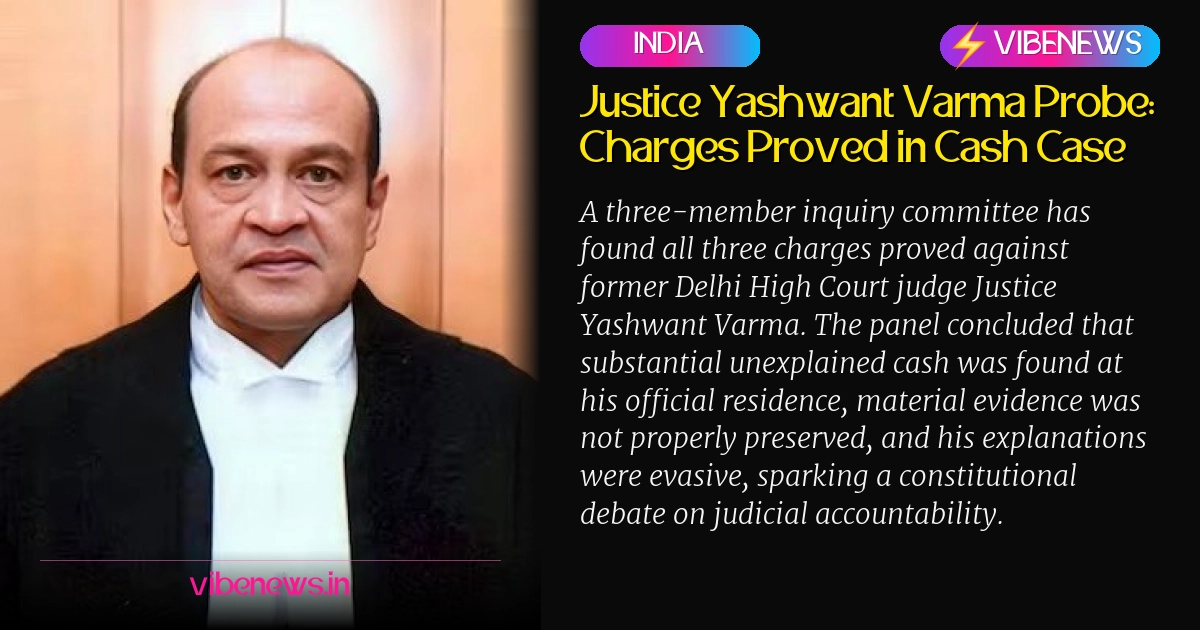
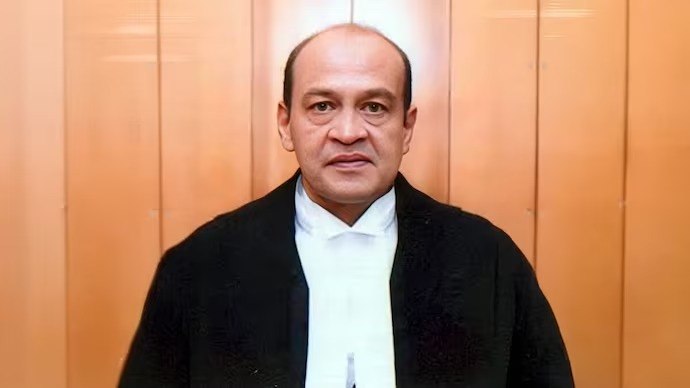
A high-stakes inquiry committee has delivered a significant verdict against former Delhi High Court judge Justice Yashwant Varma, finding all three formal charges against him to be proved. The findings stem from the discovery of substantial, unexplained cash at his official residence following a fire in March 2025, an incident that has since cast a long shadow over judicial accountability in India.
The three-member panel, constituted under the Judges (Inquiry) Act, 1968, concluded that a considerable quantity of unexplained currency was present on premises under Justice Varma’s control. Furthermore, it found that crucial material evidence related to the incident was not properly secured or preserved, and that Justice Varma’s explanations regarding the episode were unsatisfactory and evasive.
Genesis of the Controversy
The controversy first erupted on March 14, 2025, when a fire broke out at Justice Varma’s official residence at 30 Tughlak Crescent in Delhi. During the firefighting operations, reports emerged of stacks of cash, some reportedly towering over 1.5 feet high, being discovered in a storeroom within the premises.
This startling discovery immediately triggered a major public and institutional outcry. Then Chief Justice of India, Sanjiv Khanna, promptly ordered an in-house inquiry to ascertain the facts and address the serious allegations.
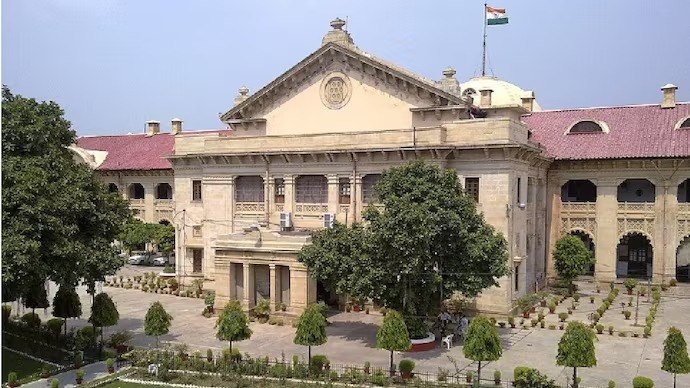
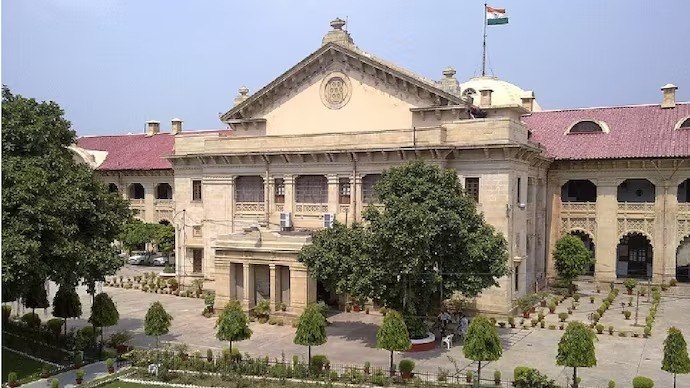
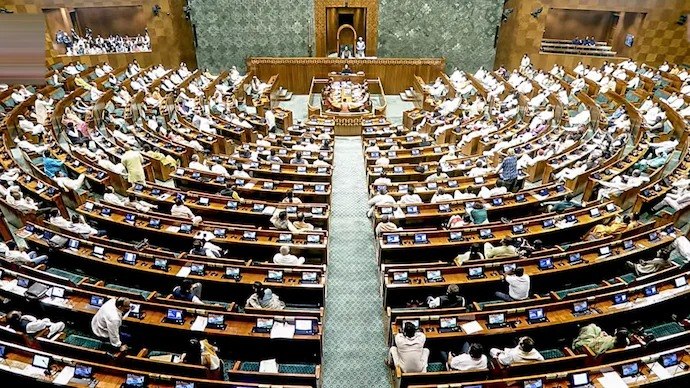
Following the initial inquiry, Justice Varma was transferred from the Delhi High Court to the Allahabad High Court, and his judicial work was subsequently withdrawn pending the outcome of a more formal investigation. The Joint Inquiry Committee, whose findings are now public, was formally constituted in September 2025 after the Lok Sabha Speaker admitted a motion seeking Justice Varma’s removal.
Findings of the Inquiry Panel
The committee meticulously examined three specific charges against Justice Varma. The first charge centered on the presence of unexplained cash. The panel found compelling evidence pointing to bundles, heaps, and stacks of Rs 500 notes in the storeroom after the fire, rejecting Justice Varma’s contention that the storeroom was outside his control, affirming it was part of his official residence.
Crucially, the committee noted that Justice Varma failed to provide a satisfactory explanation for the origin, ownership, or presence of this substantial cash. While the panel stopped short of concluding that the cash personally belonged to him in a criminal-law sense, it firmly established that it was found on premises under his institutional control without adequate justification.
The second charge addressed the handling of the scene immediately after the fire. The inquiry found that the storeroom was not sealed promptly, and cleaning activities took place after first responders had departed. By the time a formal inspection could be conducted, the cash was no longer available, leading the committee to conclude that material evidence had not been properly secured or preserved.
The panel observed the presence of Justice Varma’s Private Secretary and a household staff member near the storeroom during the cleaning process. However, it refrained from concluding that Justice Varma himself was directly involved in removing the cash, focusing instead on the systemic failure to preserve evidence.
The third charge concerned Justice Varma’s explanations. The committee deemed his responses inadequate, describing them as “evasive, incomplete and misleading in effect.” It highlighted that his explanations did not reflect the expected degree of candour and institutional responsibility, failing to address key questions about the cash’s presence, source, and ownership, or the steps taken post-fire.
Despite the strong findings, the committee could not establish the precise value of the cash, as it was never formally seized, counted, or inventoried. Justice Varma, throughout the proceedings, denied the allegations, maintaining that no cash was recovered and raising possibilities of conspiracy or planting of currency, claims the committee found unsupported by evidence.
A Constitutional Conundrum
The legal and constitutional implications of these findings are complex. Justice Varma had tendered his resignation as a judge of the Allahabad High Court in April, while the parliamentary inquiry was still ongoing. This initially raised questions about whether the removal proceedings would become redundant, as a judge’s resignation does not require formal acceptance to take effect.
However, the committee’s conclusive findings have complicated the situation. Government sources suggest that a motion seeking Justice Varma’s removal could still be brought during the Winter Session of Parliament. Adding to the uncertainty, his name continues to appear on the official list of judges of the Allahabad High Court, despite his resignation.
This unique scenario presents an unusual constitutional question: Can Parliament proceed with a removal motion against a judge who has already resigned but whose name remains on the High Court rolls? If Parliament decides to move forward, the committee’s findings will form the bedrock of the proceedings, during which Justice Varma would be afforded another opportunity to present his defence.
Editorial Context
This development is not merely a procedural outcome but a profound moment for judicial accountability and public trust in India’s legal system. The Judges (Inquiry) Act, 1968, is a critical mechanism designed to uphold the integrity of the judiciary, and its invocation in such a high-profile case underscores the seriousness with which allegations against judicial officers are treated.
The findings against Justice Varma, even without a criminal conviction, send a clear message about the expected standards of conduct and transparency for those holding judicial office. The presence of unexplained wealth on a judge’s premises, coupled with a failure to account for it and lapses in evidence preservation, erodes public confidence in the impartiality and incorruptibility of the courts.
Furthermore, the constitutional dilemma surrounding a judge’s resignation amidst removal proceedings highlights potential gaps or ambiguities in existing legal frameworks. How this situation is ultimately resolved will set a significant precedent for future cases involving judicial misconduct, influencing the balance between judicial independence and accountability. It reinforces the ongoing need for robust mechanisms that ensure judges are not only independent but also seen to be beyond reproach, safeguarding the very foundations of justice in the nation.
TL;DR
- A three-member inquiry committee found all three charges proved against former Delhi High Court judge Justice Yashwant Varma.
- Substantial unexplained cash was discovered in a storeroom at Justice Varma’s official residence after a fire on March 14, 2025.
- The panel concluded that material evidence was not properly secured or preserved after the incident, and Justice Varma’s explanations were evasive.
- Justice Varma had resigned as an Allahabad High Court judge in April, but his name remains on the rolls, creating a constitutional question regarding parliamentary removal proceedings.
- The committee’s findings do not amount to a criminal conviction but are for the purpose of a parliamentary removal process.
- Government sources indicate a motion for his removal could still be brought in Parliament, based on these findings.