Education Ministry Mandates Sweeping NTA Overhaul Amidst Credibility Concerns
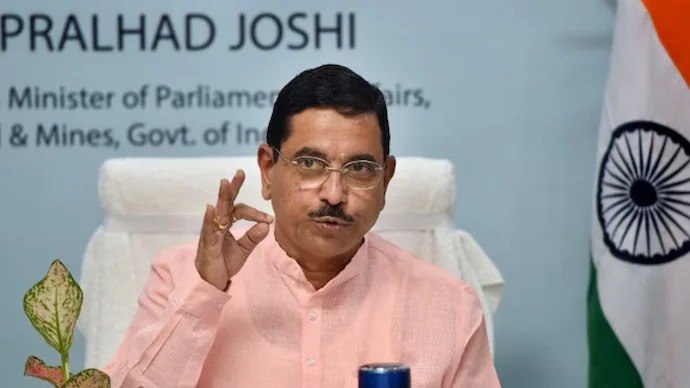
Union Education Minister Pralhad Joshi has initiated a comprehensive overhaul of the National Testing Agency (NTA), directing a series of stringent measures to restore integrity and efficiency to India’s crucial examination system. This decisive action follows recent irregularities, particularly those linked to the UGC NET, which have significantly eroded public confidence in the agency’s operations.
The Ministry of Education’s directive encompasses a wide array of reforms, targeting everything from leadership structure to the most confidential aspects of examination conduct. The aim is to fortify the NTA against future breaches and ensure a fair and transparent process for millions of aspiring students across the nation.
The Genesis of Reform: Leadership and Professional Expertise
A key component of the NTA’s restructuring involves a significant shake-up in its human resources and leadership. More than 50 staff members have been removed as part of the ongoing reforms, signaling a clear intent to address accountability gaps and streamline operations.
To inject specialized expertise, the ministry is introducing a new professional leadership structure. Ten specialized leadership positions have been advertised and are in the process of being filled, including critical roles such as Chief Technology Officer, Chief Finance Officer, Chief Information Security Officer, General Manager for Test Security, and General Manager for Research and Development and Psychometrics.
These new appointments are designed to bring a higher level of professional acumen into the agency, enhancing its technical, financial, security, and examination capabilities. Domain specialists from the private sector, particularly in areas like cybersecurity, psychometrics, and question-paper design, are also being integrated to strengthen technical capabilities at crucial stages of the examination process.
Fortifying the Core: Confidential Operations on a War Footing
Minister Joshi has specifically directed the NTA to implement a complete overhaul of its Confidential Operations (CONOPS) architecture with immediate urgency. This critical directive aims to seal off potential vulnerabilities in the handling of sensitive examination materials.
The measures include strengthening secluded rooms where question papers are prepared and stored, deploying air-gapped systems to prevent unauthorized digital access, and ensuring strict compliance with device-deposit protocols for all personnel involved. These steps are paramount to mitigating the risk of unauthorized access and safeguarding the integrity of confidential examination content.
A Mandate for Transparency and Accountability Through Audit
Beyond operational changes, the NTA has been instructed to conduct a comprehensive audit of all its examination processes. This audit will scrutinize every stage, from paper setting and distribution to conduct and result declaration, identifying gaps in existing procedures.
Following the audit, the agency is mandated to submit a detailed report outlining the corrective actions taken. This review is expected to cover examination security, confidential operations, and other critical processes involved in conducting national-level examinations, ensuring a robust framework for future assessments.
The National Testing Agency’s Mandate and Enduring Challenges
Established in 2017, the National Testing Agency was envisioned as an autonomous and self-sustained premier testing organization to conduct entrance examinations for admission to higher educational institutions. It took over the responsibility for major national-level exams such as JEE (Main), NEET (UG), UGC NET, and CUET, impacting millions of students annually.
The agency’s mandate is immense, given the high stakes associated with these examinations, which serve as gateways to prestigious universities and professional careers in India. The sheer volume of candidates and the competitive nature of these exams place immense pressure on the NTA to maintain impeccable standards of security and fairness.
However, the NTA has faced scrutiny and public outcry on several occasions due to alleged paper leaks, technical glitches, and administrative lapses. These incidents have not only caused significant distress to students and their families but have also raised serious questions about the credibility of the entire examination system, necessitating the current sweeping reforms.
Broader Implications for India’s Education Landscape
The integrity of competitive examinations is the bedrock of meritocracy in India’s education system. Any compromise in this integrity can have far-reaching consequences, undermining the trust of students and parents, and potentially impacting the quality of future professionals entering various fields.
The reforms initiated by Minister Joshi are therefore not merely administrative adjustments but a critical effort to uphold the sanctity of these examinations. They aim to reassure a vast youth population that their hard work and merit will be the sole determinants of their success, free from external manipulation or unfair advantages.
Editorial Context: A Defining Moment for National Examinations
The current overhaul of the National Testing Agency represents a pivotal moment for India’s competitive examination system. The long-term success of these reforms will determine the future trajectory of how millions of students access higher education and professional opportunities.
This initiative goes beyond addressing immediate concerns; it is about rebuilding institutional trust and ensuring that the mechanisms designed to foster meritocracy remain robust and impervious to compromise. A failure to implement these changes effectively could have profound societal implications, potentially leading to widespread disillusionment among the youth and a questioning of the fundamental fairness of the system.
Conversely, a successful and transparent implementation of these directives could set a new benchmark for examination integrity, reinforcing India’s commitment to quality education and equitable opportunities for all its citizens. The coming months will be crucial in observing how these ambitious reforms translate into tangible improvements and renewed public confidence.
TL;DR
- Union Education Minister Pralhad Joshi has ordered a comprehensive overhaul of the National Testing Agency (NTA).
- Over 50 staff members have been removed, and ten new specialized leadership positions are being filled to enhance expertise.
- The NTA’s Confidential Operations (CONOPS) architecture is undergoing a complete revamp, including air-gapped systems and strict device protocols.
- A comprehensive audit of all examination processes has been mandated, with a report on corrective actions required.
- The reforms aim to restore credibility, security, and reliability of national examinations following recent irregularities.
- The initiative seeks to rebuild public trust and ensure a fair, transparent system for millions of Indian students.