A Cross-Border Reunion: Sindhi Brides Reach India
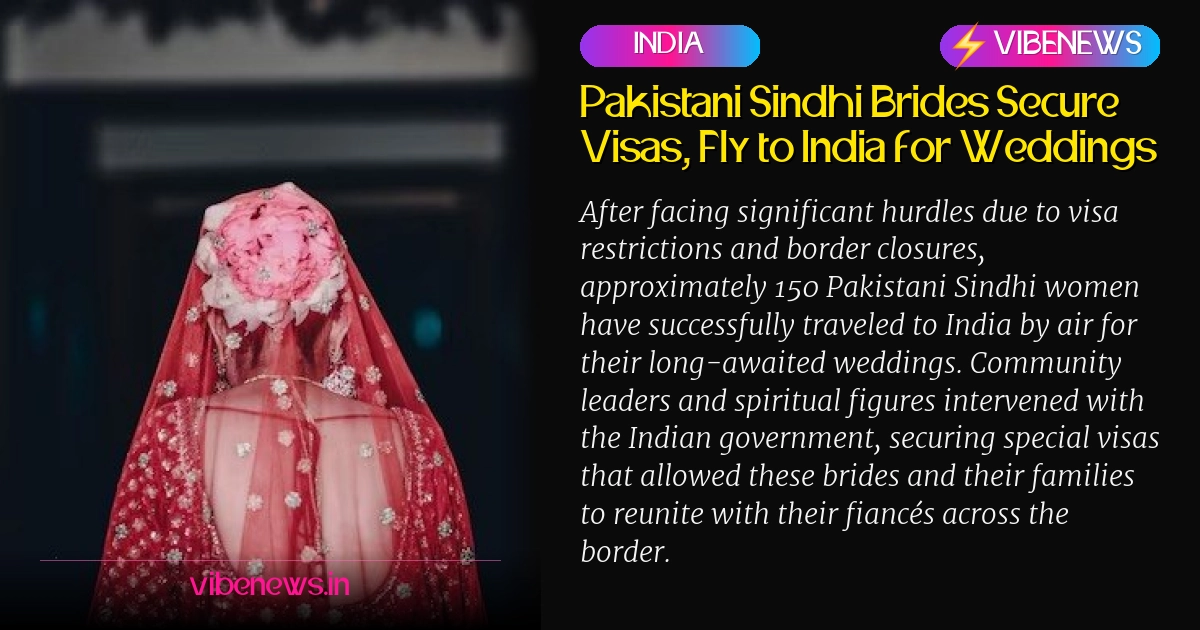
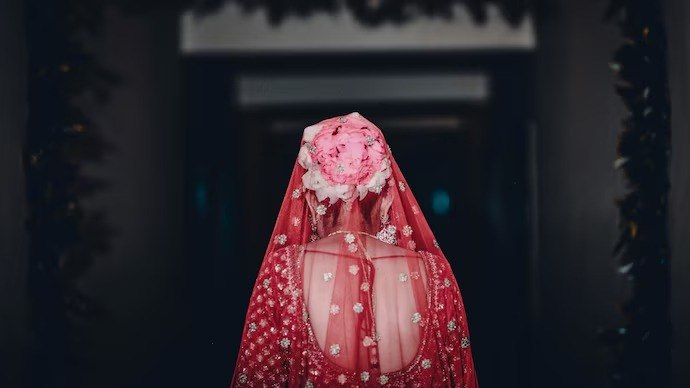
In a significant development for the Sindhi community, at least 150 Pakistani Sindhi women, engaged to men in India, have successfully arrived in the country for their weddings. Their journey, long delayed by stringent visa restrictions and the closure of the traditional Wagah-Attari border route, marks a moment of relief and celebration for families on both sides of the border.
The brides and their relatives navigated complex transit routes through various countries, including Muscat, Dubai, and Sri Lanka, to reach their destinations in India. This resolution follows persistent efforts by community leaders and spiritual figures who advocated for their cause with the Indian government.
The Legislative Shift and Its Impact
For years, families from Sindh had routinely traveled to India via the Wagah-Attari border in Punjab for these traditional cross-border marriages. This established pathway, however, was disrupted following ‘Operation Sindoor,’ a military campaign launched by India in 2025.
Operation Sindoor was initiated in response to a deadly terrorist attack in Pahalgam, Jammu and Kashmir, which claimed the lives of 26 civilians. The aftermath of this operation led to a tightening of border controls and a significant increase in visa rejections for those attempting to enter India through Attari, particularly impacting the Sindhi community’s long-standing marital traditions.
Community Advocacy and Spiritual Intervention
Faced with mounting uncertainty and the indefinite postponement of weddings, the Sindhi community mobilized. Rajesh Jhambia, a prominent leader working with Sindhi migrants from Pakistan, played a crucial role in highlighting the plight of these families. He underscored the deep cultural and familial ties that necessitate these cross-border unions.
A pivotal intervention came from Raipur-based Sant Yudhishtirlal Shadaani, the spiritual head of Shadaani Darbar, a revered Hindu religious shrine located in Ghotki, Pakistan’s Sindh province. The shrine took the initiative to compile a comprehensive list of approximately 150 Pakistani women who were engaged to men in various Indian cities, including Nagpur, Raipur, Jodhpur, and Pune.
Government Facilitation and Air Travel Mandate
The Shadaani Darbar, armed with this detailed list, approached the Indian Ministry of Home Affairs. Their appeal urged the authorities to facilitate the issuance of visas for the brides and their accompanying family members, emphasizing the humanitarian aspect of their request.
The Ministry of Home Affairs responded positively, granting permission for these women to enter India. A key condition, however, was that all travel must be undertaken by air, bypassing the land routes that had become inaccessible. Since April of the current year, these 150 brides and their families have successfully traveled to India via transit hubs in Dubai, Oman, Sri Lanka, and Bangladesh, among other countries.
Among the beneficiaries, 15 cases were specifically from Nagpur, illustrating the widespread impact of this resolution across different Indian cities. While this marks a significant breakthrough, Rajesh Jhambia noted that nearly 300 more Sindhi women in Pakistan are still awaiting similar visa approvals, and the community continues to press the Indian government for their facilitation.
Editorial Context
The successful arrival of 150 Pakistani Sindhi brides in India transcends a mere logistical achievement; it underscores the enduring human element amidst complex geopolitical realities. For generations, cross-border marriages have been a cornerstone of the Sindhi community’s cultural fabric, a testament to shared heritage that predates the partition of India and Pakistan. The disruption caused by ‘Operation Sindoor’ and subsequent visa restrictions highlighted how political tensions can profoundly impact the personal lives and traditions of ordinary citizens.
This development also illuminates the critical role played by community leaders and spiritual institutions in bridging diplomatic gaps and advocating for humanitarian causes. Their intervention with the Ministry of Home Affairs demonstrates the power of civil society in influencing policy and facilitating solutions where official channels might otherwise remain gridlocked. The ongoing wait for another 300 women further emphasizes that while a significant step has been taken, the broader challenge of ensuring smooth cross-border movement for families with deep historical ties remains a pertinent issue for both nations to address with empathy and foresight.
TL;DR
- Approximately 150 Pakistani Sindhi women have successfully traveled to India for their weddings after securing special visas.
- Their travel plans were initially disrupted by visa restrictions and the closure of the Wagah-Attari border following ‘Operation Sindoor’.
- Community leader Rajesh Jhambia and Sant Yudhishtirlal Shadaani of Shadaani Darbar intervened with the Indian Ministry of Home Affairs.
- The Indian government approved visas on the condition that the brides and their families would travel by air via transit routes.
- Brides arrived in various Indian cities, including Nagpur, Raipur, Jodhpur, and Pune, with 15 cases specifically noted for Nagpur.
- Around 300 more Pakistani Sindhi women are still awaiting similar visa approvals to join their fiancés in India.