The Publisher’s Clarification
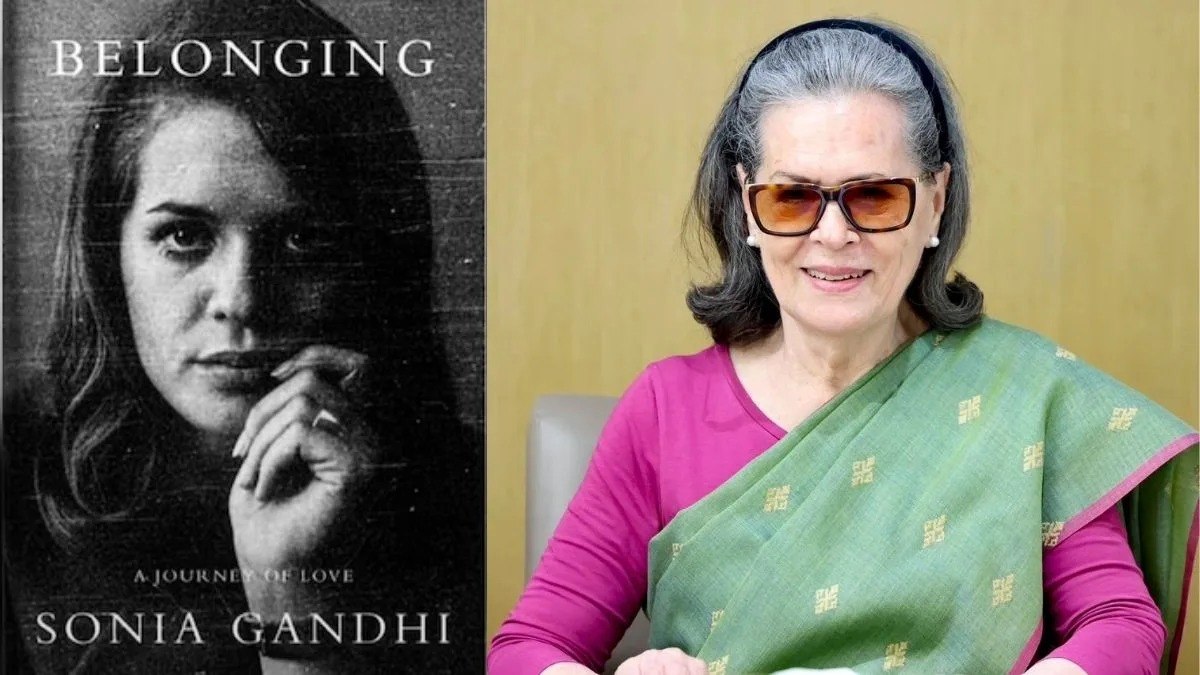
Penguin Random House India recently addressed media speculation surrounding Sonia Gandhi’s much-anticipated memoir, ‘Belonging: A Journey of Love.’ The publisher issued a definitive statement refuting claims that it had refused to publish the book due to disagreements over editorial changes, asserting its consistent willingness and keenness to undertake the project.
The statement from Penguin Random House India clarified that it is not the publisher of ‘Belonging’ in India. It explicitly dismissed any suggestion that the decision not to publish stemmed from the author’s reluctance to accept editorial recommendations, emphasizing that such recommendations are a standard and necessary part of the publishing process.
The Nuances of Publishing
Publishers routinely engage in fact-checking and provide authors with editorial suggestions, a practice Penguin described as both its prerogative and responsibility. This collaborative process aims to ensure the book’s quality and appeal, serving the best interests of the publication.
Despite the confidential nature of discussions with authors, Penguin India chose to make its position public to correct what it termed inaccurate reflections of the circumstances. The publisher maintained that throughout all relevant discussions, its stance remained one of eagerness to publish the memoir.
A New Home for ‘Belonging’
With Penguin India no longer involved, Sonia Gandhi’s memoir has found a new publisher in William Collins. The book is now slated for release on November 10, with pre-orders already available on various e-commerce platforms.
The shift in publishers highlights the intricate dynamics often at play in the literary world, particularly when dealing with high-profile political figures. Such transitions, while not uncommon, often draw significant public and media attention, fueling speculation about underlying reasons.
A Glimpse into ‘Belonging’
The memoir, as described by its new publisher, promises a rich narrative that seamlessly intertwines personal experiences with political insights. It aims to tell a compelling story of love, family, and India’s fascinating journey through the eyes of one of its most prominent political figures.
The book traces Sonia Maino’s life from a small Italian village to her pivotal role in Indian politics. It recounts her meeting and falling in love with Rajiv Gandhi in Cambridge in 1965, a relationship that would inextricably link her to India’s most influential political dynasty.
’Belonging’ offers an insider’s perspective on India’s tumultuous post-independence history and its contemporary political landscape. It delves into the significant political, economic, and social transformations the country has undergone over five decades, providing a unique lens on these developments.
Beyond the political narrative, the memoir is expected to offer an intimate look into the renowned Gandhi family. Readers are invited into Sonia Gandhi’s private joys and challenges, exploring the people and events that shaped her identity, sense of duty, and understanding of ‘home’ in India.
The publisher’s note emphasizes that ‘Belonging’ is fundamentally a courageous woman’s story of embracing a new country and finding the strength to serve India, the nation she came to call her own. It is poised to be a significant addition to the canon of Indian political literature.
Editorial Context
The publication of a memoir by a figure as central to Indian politics as Sonia Gandhi carries immense weight and significance. As the longest-serving president of the Indian National Congress and a member of the Nehru-Gandhi family, her perspective offers an unparalleled view into the inner workings of power, the challenges of leadership, and the personal sacrifices demanded by public life.
Political memoirs in India are often more than just personal narratives; they frequently become historical documents, shaping public perception and contributing to the national discourse. The meticulous process of editorial review, including fact-checking and content recommendations, becomes particularly critical in such cases to ensure accuracy and maintain credibility.
The clarification from Penguin India underscores the delicate balance publishers must strike between an author’s creative vision and the publishing house’s commitment to editorial standards. For high-profile authors, especially those whose lives are intertwined with national history, the stakes are considerably higher, making any perceived disagreement a subject of intense scrutiny.
This development also highlights the enduring public fascination with the Gandhi-Nehru legacy. Each new account, particularly from a direct participant, adds another layer to the complex tapestry of India’s political narrative. ‘Belonging’ is therefore not just a personal story but a potential re-evaluation or reinforcement of historical events and political decisions that have shaped modern India.
The eventual release of ‘Belonging’ by William Collins will undoubtedly reignite discussions about the personal and political journey of Sonia Gandhi, offering readers a rare opportunity to understand the woman behind the public persona and her profound connection to India.
TL;DR
- Penguin Random House India denied refusing to publish Sonia Gandhi’s memoir, ‘Belonging: A Journey of Love.’
- The publisher stated it was always ‘willing and keen’ to publish the book, dismissing claims of editorial disagreements.
- Penguin emphasized that fact-checking and editorial recommendations are a normal part of the publishing process.
- Sonia Gandhi’s memoir is now being published by William Collins.
- The book, ‘Belonging: A Journey of Love,’ is expected to be released on November 10.
- The memoir promises a blend of personal and political narratives, detailing Sonia Gandhi’s life and India’s history.