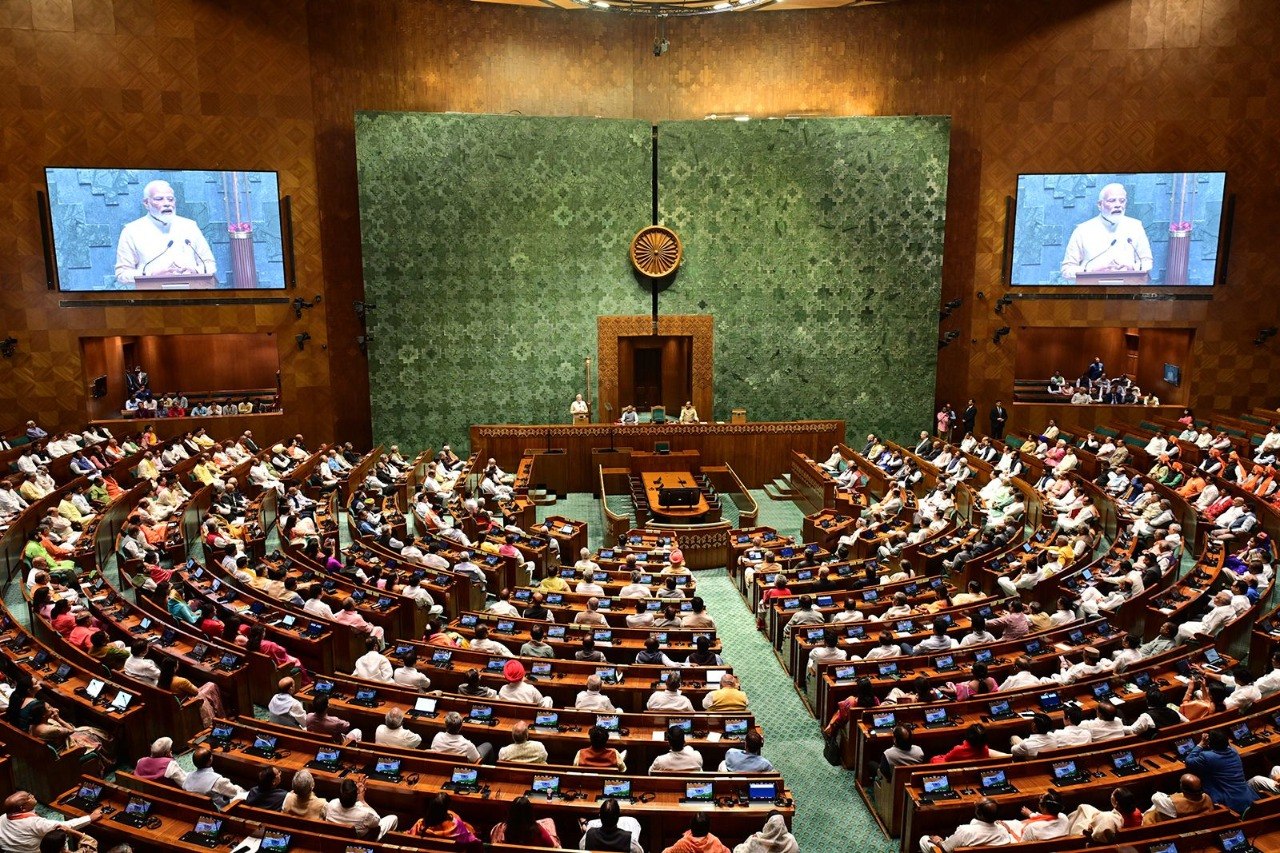
The recent legislative session in Karnataka, marked by the swift passage of the Karnataka Apartment (Ownership and Management) Bill within two days of its introduction and without discussion, highlights a concerning trend in Indian state assemblies. While public attention often fixates on parliamentary proceedings in New Delhi, a deeper examination reveals that state legislatures, responsible for laws shaping everyday life—from land and policing to health and education—are increasingly bypassing crucial democratic processes. This pattern of rushed lawmaking, characterized by minimal debate and negligible committee scrutiny, is not an isolated incident but a systemic issue observed across various states, transcending political affiliations.
The Pace of Legislation in Karnataka
Karnataka’s legislative output in recent years serves as a stark illustration of this accelerated approach. In 2025, the 16th Karnataka Assembly passed an unprecedented 84 Bills in just 34 sitting days, a higher volume than any other state legislature that year. A significant portion of these, including 17 Bills in one sitting and 12 in another, saw little to no debate. On a single day in December, 12 Bills, ranging from the Greater Bengaluru Governance (Second Amendment) Bill to those concerning land revenue, rent, universities, and labour welfare, were enacted in just over an hour. These were not minor technical adjustments but significant legislative changes poised to reshape urban governance, dispute resolution, and educational administration.
The contentious Karnataka Hate Speech and Hate Crimes (Prevention) Bill, 2025, further exemplifies this trend. Despite loud opposition and an incomplete debate, the Bill was passed eight days after its introduction, with the Speaker rejecting calls for committee referral. Opposition MLAs protested, and the Leader of the Opposition’s speech was cut short, leading to a walkout. Such critical legislation, imposing penalties of up to seven years in prison and substantial fines for repeat offenders on a sensitive issue like hate speech, demands thorough scrutiny to prevent potential misuse and ensure its constitutional validity.
This practice is not unique to the current Congress government in Karnataka. Data from the previous BJP-led administration shows a similar pattern, with 32% of Bills passed on the day of introduction or the following day, and fewer than 5% referred to committees. This continuity across different ruling parties suggests a deeper, institutional challenge rather than a partisan one.
A Widespread Legislative Shortcut
The issue extends far beyond Karnataka’s borders, indicating a national malaise in legislative functioning. Gujarat, for instance, passed 91 out of 92 Bills on the same day they were introduced during its 2018-2022 assembly term, with no Bills referred to committees and an average debate time of merely 1.4 hours. West Bengal has not referred a single Bill to a committee since 2011, passing 91% of its legislation on the day of introduction in its last full term. Tamil Nadu similarly avoided committee scrutiny, often passing Bills in clusters, including 19 on a single day. Punjab recently enacted nine Bills in a single day. These examples collectively paint a picture of legislative bodies prioritizing speed over deliberation, a practice that undermines the very essence of democratic lawmaking.
The Value of Deliberation: Kerala and Telangana’s Approach
Amidst this trend, Kerala stands out as a notable exception. Its 15th Assembly referred an impressive 84% of its Bills to committees, with reports consistently tabled within a month. This demonstrates that robust legislative scrutiny is not an impossible ideal but a conscious choice. The contrast between Karnataka and Telangana on the Hate Speech Bill further underscores this point. Both states, governed by the same political party, introduced similar legislation. While Karnataka pushed the Bill through amidst protests, Telangana, facing objections, opted to refer its version to a select committee before any vote was cast. This divergence highlights that the decision to prioritize debate and scrutiny is a matter of political will, not ideological difference.
The Ramifications of Hasty Legislation
The implications of rushed lawmaking are profound and far-reaching. Bypassing committees and limiting debate deprives legislators of the opportunity to identify and rectify drafting errors, which can later translate into significant legal challenges for citizens and the judiciary. It reduces the accountability of ministers, who are not compelled to publicly justify the rationale behind specific provisions. The opposition’s role is diminished from constructive interrogation of policy design to mere dissent. Crucially, it excludes external experts, civil society organizations, and affected communities from contributing valuable insights, leading to laws that may not adequately address real-world complexities or public concerns.
Moreover, laws enacted without thorough scrutiny are more susceptible to judicial challenge. The Gujarat Freedom of Religion (Amendment) Act, 2021, passed with minimal debate, saw several of its central provisions stayed by the Gujarat High Court within months and remains entangled in the Supreme Court years later. Such outcomes not only waste legislative effort but also create legal uncertainty and erode public trust in the lawmaking process.
Reforming the Legislative Process
Addressing this systemic issue requires fundamental reforms to restore integrity to the legislative process. Legislatures should commit to publishing their calendars well in advance, guaranteeing a minimum number of sitting days. Committee referral, currently an exception, should become the default practice, requiring explicit justification for bypass, such as genuine urgency. This would reverse the current trend where scrutiny is optional and rare. Furthermore, transparency is paramount: for every Bill, legislatures should publish key data including introduction and passage dates, time spent debating, and whether it was referred to a committee. This would transform an opaque process into an auditable one, fostering accountability. Finally, sessions disrupted by protests should be extended or make-up sittings scheduled, rather than cramming legislative work into insufficient time, thereby preserving the quality of debate and deliberation.
Editorial Context
The erosion of legislative scrutiny in state assemblies represents a critical challenge to the health of India’s democratic fabric. While the focus often remains on national parliamentary disruptions, the silent, widespread practice of fast-tracking laws at the state level has a more direct and immediate impact on the daily lives of millions. State laws govern essential services, land rights, public order, and social welfare, making their quality and legitimacy paramount. When these laws are enacted without adequate public discourse, expert input, or legislative oversight, it not only risks creating flawed legislation but also diminishes public trust in democratic institutions. Over the long term, this trend can lead to a less accountable government, a weakened opposition, and a citizenry whose rights and interests are shaped by laws that lack robust democratic validation. Restoring meaningful debate and committee scrutiny is not merely a procedural adjustment; it is essential for strengthening governance, ensuring justice, and upholding the foundational principles of a vibrant democracy.
TL;DR
- Indian state assemblies are increasingly passing significant legislation with minimal debate and committee scrutiny, a trend observed across various political parties.
- Karnataka exemplifies this, passing 84 Bills in 34 days in 2025, including 12 Bills in just over an hour, often without discussion or committee referral.
- This pattern is widespread, with states like Gujarat, West Bengal, Tamil Nadu, and Punjab also showing high rates of same-day Bill passage and negligible committee engagement.
- Kerala stands as an exception, referring 84% of its Bills to committees, demonstrating that thorough scrutiny is achievable with political will.
- The lack of deliberation leads to potential drafting errors, reduced accountability, diminished opposition roles, exclusion of public input, and increased vulnerability of laws to judicial challenges.
- Proposed solutions include mandatory advance legislative calendars, making committee referral the default, increasing transparency in legislative data, and extending sessions to ensure adequate debate time.