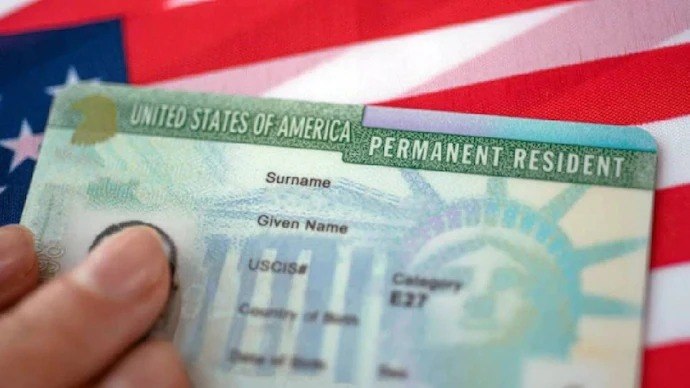
A significant shift in United States immigration policy is set to take effect, potentially altering the landscape for thousands of individuals seeking permanent residency. The Trump administration has finalized a new rule expanding the definition of a "public charge," a designation that could lead to greater scrutiny for green card applicants, particularly those from India.
This revised regulation, spearheaded by the US Citizenship and Immigration Services (USCIS), is scheduled to be implemented on September 18. It will apply to all Form I-485 applications for permanent residence or adjustment of status that are postmarked or submitted electronically on or after this date.
The Evolving Definition of Public Charge
Historically, the "public charge" assessment was narrowly focused. Previous guidelines primarily considered only two types of public benefits as disqualifying factors: cash assistance for income maintenance and long-term institutionalization at government expense. This limited scope meant that most applicants were evaluated based on a relatively straightforward set of criteria.
The new rule, however, introduces a substantially broader framework. USCIS officers will now be mandated to consider five statutory factors when evaluating an applicant: their age, overall health, family status, available financial resources, and their education and skills. This comprehensive review aims to provide a more holistic, albeit more stringent, picture of an applicant’s potential reliance on public assistance.
Furthermore, the range of public benefits that could be considered has expanded significantly. These now include various forms of cash assistance for income maintenance, housing assistance programs, food stamps, and even financial aid for college, among other means-tested benefits. This expansion means that past or potential future use of a wider array of support programs could factor into an officer’s decision.
Implications for Families and Dependents
One of the most far-reaching aspects of this new policy is its potential impact on immigrant families. USCIS officers are now authorized to consider the use of public benefits by an applicant’s dependents, irrespective of the dependent’s own immigration status. This provision could create complex situations for families where some members are U.S. citizens or hold different immigration statuses, potentially forcing difficult choices.
Data from the Kaiser Family Foundation highlights the scale of this potential impact. Their analysis indicates that approximately 13.5 million Medicaid or Children’s Health Insurance Program (CHIP) enrollees live in households with at least one non-citizen. This includes an estimated 5.6 million U.S. citizen children. The foundation projected that between 1.4 million and 4.1 million Medicaid and CHIP enrollees living with a non-citizen might disenroll from these programs due to concerns stemming from the new rule, fearing adverse effects on their family’s immigration applications.
A Return to Stricter Enforcement
This policy change represents a significant reversal of recent immigration directives. It follows the Department of Homeland Security’s decision to rescind the Biden administration’s 2022 public charge regulations, which had adopted a more lenient approach. The final rule was officially announced on July 16 and subsequently published in the Federal Register on July 20, signaling a definitive shift back towards the more restrictive policies seen during the previous Trump administration.
The concept of a "public charge" has a long and often contentious history in U.S. immigration law, dating back to the late 19th century. It reflects a recurring debate about who should be admitted into the country and the perceived burden immigrants might place on public resources. This latest iteration underscores a renewed emphasis on self-sufficiency as a primary criterion for permanent residency.
Heightened Scrutiny for Indian Applicants
The expanded public charge rule holds particular significance for applicants from India. India consistently ranks among the top countries for individuals seeking and receiving U.S. green cards. In 2023 alone, approximately 78,100 Indians, representing about 7% of all green card recipients, obtained permanent residency in the U.S. A substantial portion of these, around 60%, did so through family-based categories, either as immediate relatives of U.S. citizens or existing green card holders.
For these applicants, the key change is not merely the addition of new factors but the increased discretion granted to immigration officers. Attorneys Cyrus Mehta and Damira Zhanatova noted that the new rule empowers officers with greater latitude in deciding adjustment of status applications. Their analysis, referencing a USCIS memo, highlighted that such adjustments inherently involve an element of "extraordinary discretion," which is now further amplified.
It is crucial to understand that the use of a public benefit does not automatically lead to a green card application rejection. Instead, USCIS officers will conduct a comprehensive assessment, weighing the use of such benefits alongside an applicant’s age, health, family circumstances, financial standing, and educational and professional skills. The revised framework, effective September 18, demands a more thorough and potentially challenging preparation process for applicants.
Exemptions from the Rule
While the rule broadens the scope of public charge inadmissibility, it does not apply universally. Several categories of immigrants are explicitly exempt from this ground of inadmissibility, recognizing their unique circumstances or contributions. These exemptions include refugees and asylees, certain Afghan and Iraqi nationals who provided assistance to the U.S. government, specific Cuban and Haitian entrants, special immigrant juveniles, and victims of human trafficking or qualifying criminal activity.
Additionally, victims of domestic violence who self-petition under the Violence Against Women Act (VAWA) and applicants for Temporary Protected Status (TPS) are also exempt. These carve-outs acknowledge humanitarian concerns and specific policy objectives that override the public charge consideration.
Editorial Context
The reintroduction of a more expansive public charge rule signifies a deeper philosophical debate within U.S. immigration policy. Over the long term, this development could have a chilling effect on immigrant communities, potentially discouraging eligible individuals and families, including U.S. citizens, from accessing vital public health and welfare programs out of fear that doing so might jeopardize their immigration prospects or those of their relatives. This fear could lead to poorer health outcomes and increased hardship for vulnerable populations.
Furthermore, the increased discretion afforded to immigration officers introduces a layer of unpredictability and potential inconsistency in application outcomes, which could lead to more complex legal challenges and longer processing times. For countries like India, which contribute significantly to the U.S. immigrant population, this policy shift underscores the evolving and often challenging nature of navigating international migration pathways. It reinforces the need for prospective immigrants to be meticulously prepared and informed about the intricate and dynamic requirements of U.S. immigration law.
TL;DR
- A new US ‘public charge’ rule takes effect September 18, broadening criteria for green card applicants.
- The rule expands factors considered to include age, health, family status, financial resources, and education/skills.
- It grants US immigration officers significantly wider discretion in assessing an applicant’s likelihood of becoming a public charge.
- The policy change rescinds Biden administration regulations, reverting to a more restrictive approach.
- Indian applicants face heightened scrutiny due to their substantial numbers in US green card applications.
- Certain immigrant categories, such as refugees and victims of trafficking, are exempt from this rule.