The Viral Dosa Dilemma
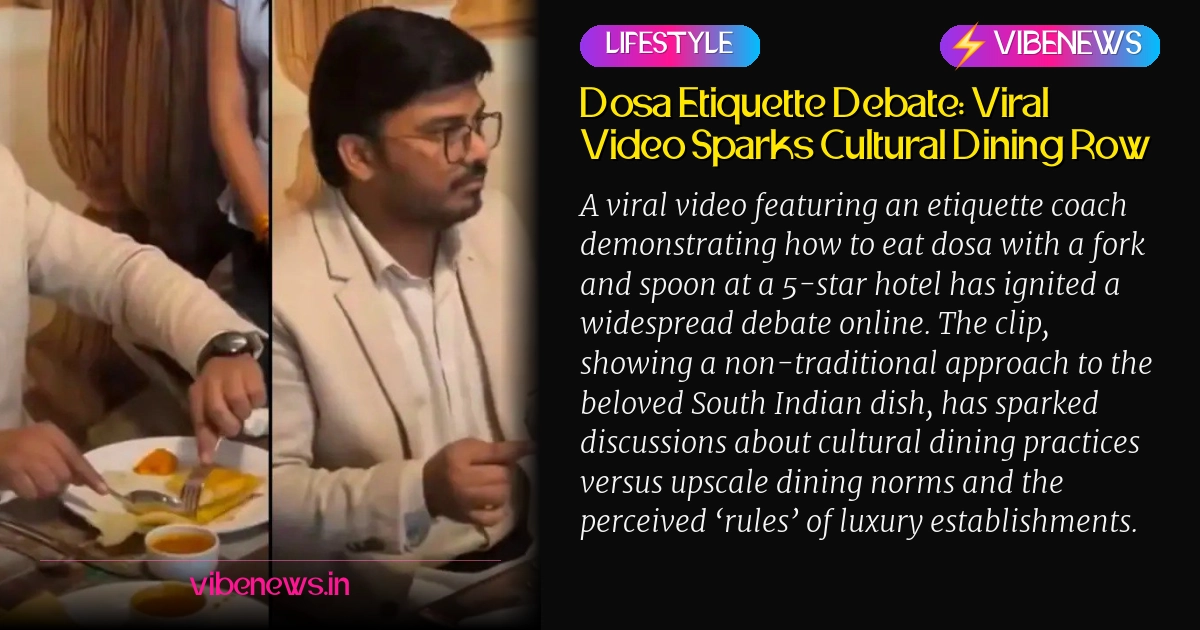
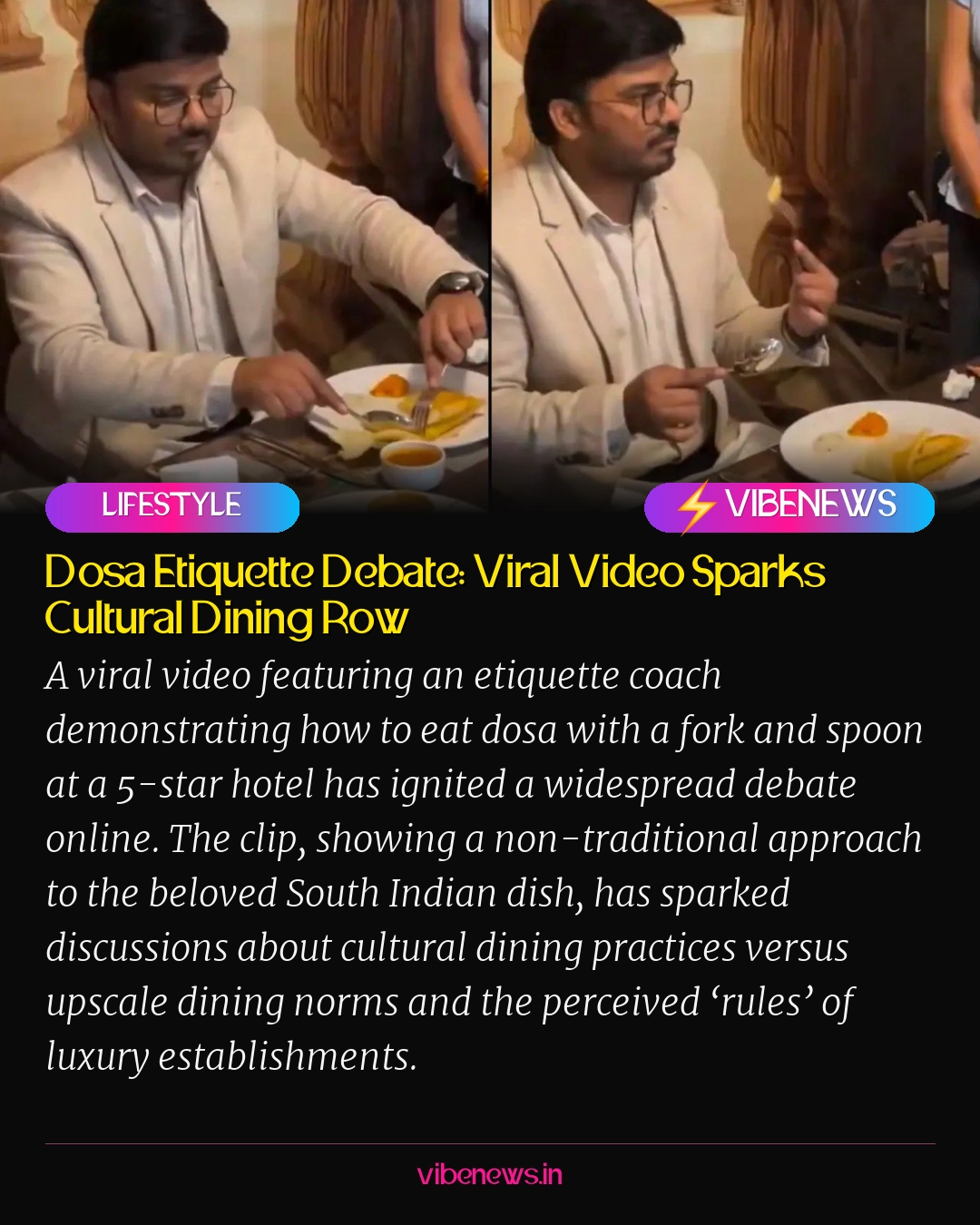
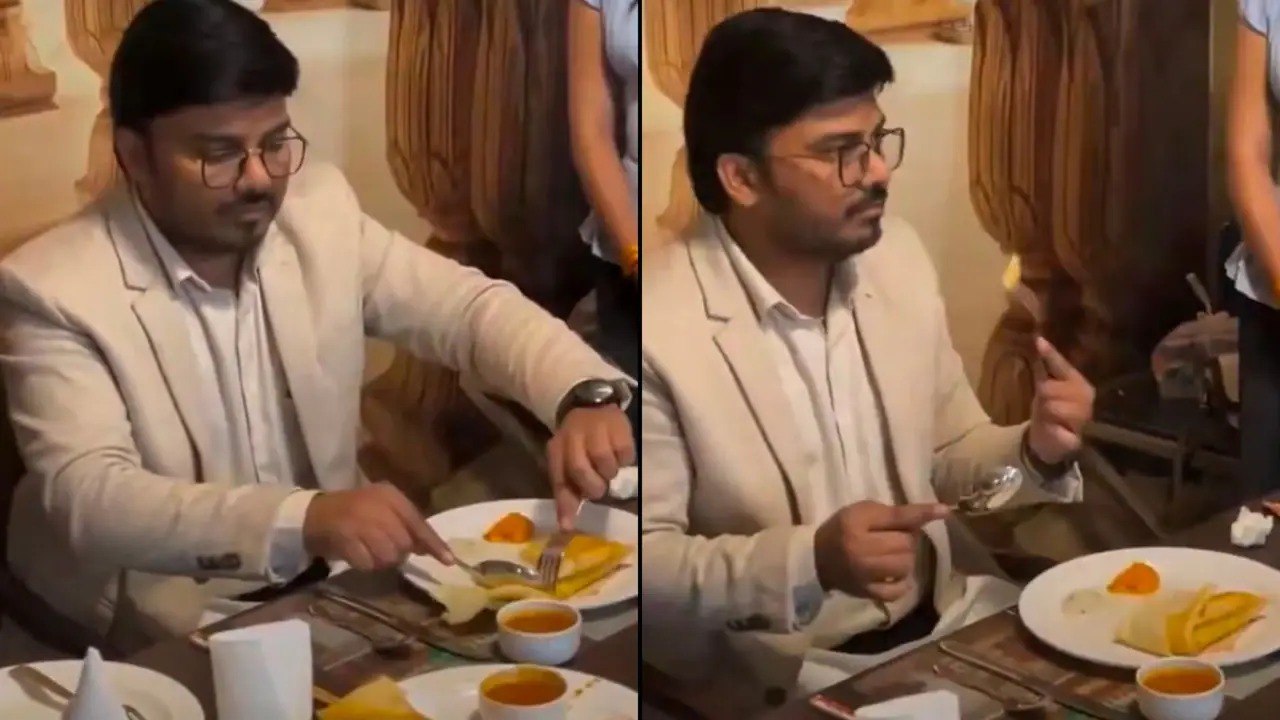
A recent video circulating widely on social media platform X has ignited a fervent discussion across India, centering on the seemingly simple act of eating a dosa. The clip features an etiquette coach demonstrating a method for consuming the popular South Indian delicacy using only a fork and spoon, specifically within the context of a high-end, 5-star hotel setting.
This instructional video, which advises against direct hand contact with the dosa, quickly drew both fascination and strong criticism, prompting a broader conversation about dining customs, cultural authenticity, and the evolving landscape of luxury hospitality in India. The demonstration challenged deeply ingrained culinary traditions for many viewers.
The Viral Phenomenon and Its Premise
The video, shared by an X user, explicitly stated the premise: when a dosa costs upwards of ₹1,500 at a 5-star establishment, guests are apparently expected to forgo traditional hand-eating in favor of cutlery. The coach meticulously folds the dosa, then uses a spoon to break off a piece, which is then picked up with a fork.
This specific instruction, framed as "official training" for a 5-star guest, immediately struck a chord with the online community. The implication that a cultural staple should be consumed in a manner perceived as ‘westernized’ for a premium price became a flashpoint.
Public Outcry and Cultural Clash
The comments section beneath the viral post quickly became a battleground of opinions. Many users expressed disbelief and amusement, finding the method awkward and unnecessary, particularly for a dish traditionally enjoyed with hands.
A significant portion of the backlash centered on cultural pride, with users asserting that Indian foods should be eaten "the Indian way." Critics highlighted the inherent joy and sensory experience of eating dosa with one’s hands, arguing that cutlery diminishes this authentic connection to the food.
Some commenters challenged the very notion of such etiquette, suggesting it was an imposition rather than a genuine enhancement of the dining experience. Comparisons were humorously drawn to other finger foods, questioning if they too would require similar ‘formal’ adaptations.
The Etiquette Industry and Indian Cuisine
The rise of etiquette coaching in India reflects a growing aspiration towards global standards of professionalism and social grace, particularly among urban populations. These coaches often impart lessons on everything from table manners to corporate conduct, aiming to equip individuals for diverse social and business environments.
However, applying rigid Western-centric etiquette to traditional Indian cuisine presents a unique dilemma. Many Indian dishes, including dosa, idli, biryani, and various curries, are designed for tactile consumption, where the act of mixing and eating with hands is integral to the flavor and cultural experience.
Dining Norms in Luxury Settings
Five-star hotels and upscale restaurants often cultivate an ambiance that emphasizes refinement and international standards of service. This can sometimes lead to an implicit or explicit expectation for guests to adhere to certain dining protocols, which are frequently influenced by European table manners.
The perceived need to adapt traditional Indian eating styles to fit these ‘formal’ settings raises questions about cultural assimilation versus the celebration of indigenous practices. For many, the premium price tag at such venues should not necessitate a compromise on cultural authenticity.
A Broader Conversation on Authenticity
This viral incident transcends a mere debate about how to eat a dosa; it taps into a deeper discourse about cultural identity in a globalized world. It prompts reflection on how traditional practices are valued, preserved, or altered when introduced into modern, often Western-influenced, luxury contexts.
The discussion highlights the tension between embracing global sophistication and maintaining a strong connection to one’s roots. It underscores the importance of context in etiquette, suggesting that what is considered ‘polite’ or ‘appropriate’ can vary significantly across cultures and situations.
Editorial Context
The "dosa etiquette" debate, while seemingly trivial, serves as a potent microcosm of India’s ongoing negotiation with modernity and tradition. Over the long term, such discussions will continue to shape how Indian cuisine is presented and consumed both domestically and internationally.
It challenges the hospitality industry to consider how it can offer luxury experiences that are genuinely inclusive and respectful of diverse cultural practices, rather than imposing a singular, often Western-derived, standard. This incident underscores the power of social media in amplifying cultural conversations and influencing public perception, ensuring that debates about authenticity and identity remain at the forefront of contemporary discourse.
TL;DR
- A viral video shows an etiquette coach demonstrating how to eat dosa with a fork and spoon at a 5-star hotel.
- The demonstration suggests that traditional hand-eating is discouraged in high-end establishments, especially for a ₹1,500 dosa.
- The video sparked widespread online debate, with many users criticizing the method as awkward and culturally inauthentic.
- Critics emphasized that Indian foods, like dosa, are traditionally and best enjoyed with hands, linking it to cultural pride.
- The incident highlights a clash between traditional Indian dining practices and perceived ‘formal’ etiquette in luxury settings.
- The debate reflects broader questions about cultural identity, authenticity, and adaptation in a globalized world.