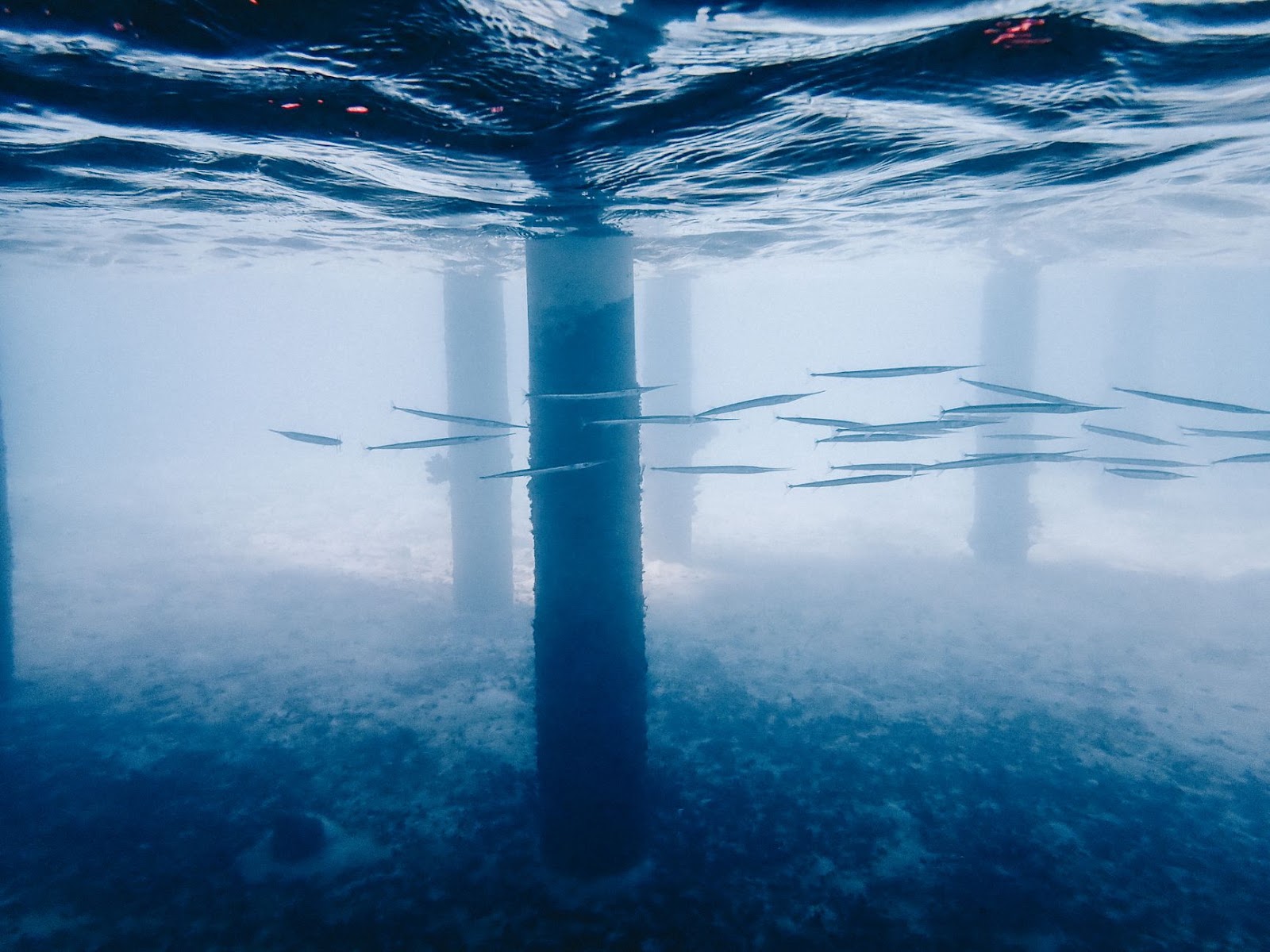
The Kentucky Department of Fish and Wildlife Resources submerged approximately 1,700 discarded Christmas trees into Boltz Lake in Grant County, Kentucky, in 2026 to restore disappearing aquatic habitats.
The operation formed the centerpiece of the state’s ninth annual Christmas for the Fishes conservation campaign, which diverted about 5,000 holiday evergreens away from municipal waste facilities and redirected them directly into regional waterways. By transforming holiday living-room decor into intricate underwater structures, wildlife managers tackled a structural ecological problem lurking beneath the surface of the state’s artificial reservoirs.
Decaying Timbers Beneath Kentucky’s Aging Lakes
The root of the habitat deficit dates back decades. A substantial portion of Kentucky’s reservoirs were constructed in the late 1950s and early 1960s. When these basins were originally dammed and filled, submerged forests, deadfall, and brush formed immediate natural sanctuaries where aquatic species thrived. Decades later, natural water decomposition has degraded those original wooden structures down to barren lake bottoms. Without physical complexity in the water column, juvenile fish lose refuge from predators, nursery grounds disappear, and aquatic food chains falter.
David Baker, a programme coordinator with Kentucky Fish and Wildlife, noted that fisheries teams have worked continuously to replace the cover lost across aging water bodies. While free-flowing rivers continuously accumulate new woody debris, artificial reservoirs suffer from an organic deficit unless wildlife managers proactively introduce supplemental structures. Sinking whole pine and fir trees presents a practical, non-toxic remedy.
Transforming Holiday Evergreens into Sunken Reefs
The statewide collection drive ran from December 26, 2025, through January 16, 2026, mobilizing 37 drop-off points across Kentucky. State biologists enforced strict standards for the donations: only authentic, natural evergreen trees stripped completely bare of tinsel, electric lights, wire hooks, and ornaments were permitted. Artificial trees and unrelated plant matter were strictly barred to prevent plastic contaminants from entering public reservoirs.
Rather than casting the trees randomly across open water, staging crews systematically grouped the evergreens into clusters and secured them using environmentally safe weights. Once sunk to the lake bottom, the interlocking branches create protective underwater networks. Young panfish slip inside the dense pine needles where predators cannot reach them, while larger game species congregate along the perimeter.
"Every tree counts. Each tree can provide benefits for local fisheries for several years, gradually enhancing fish habitat that has been lost over time. Local anglers also benefit from the creation of reliable fishing hotspots around the sunken brush piles."
A Five-Year Cycle and Precision Mapping for Anglers
Because submerged wood continues to biodegrade underwater over a five-to-six-year span, the department does not target every water body every year. Instead, biologists maintain a rotational schedule, systematically returning to individual reservoirs every five to six years to refresh decaying structures. Boltz Lake received its 1,700-tree drop this season to restore its five-year habitat threshold, while the remaining balance of the 5,000 trees was allocated across other priority reservoirs.
The habitat program also delivers direct recreational advantages to local fishermen. Species such as crappie, bluegill, and bass naturally congregate around the submerged evergreen cover to seek shade and hunt. To facilitate recreational sport, wildlife officials cataloged the exact GPS coordinates of every sunken brush cluster. The department publishes these coordinates publicly on its official website and through its FishBoatKY mobile application, allowing boaters to pinpoint active fishing zones directly from their smartphones.
TL;DR
- Kentucky collected roughly 5,000 discarded Christmas trees across 37 state drop-off sites between late 2025 and early 2026.
- Wildlife teams sank 1,700 weighted evergreens into Grant County’s Boltz Lake to replace decayed underwater timber.
- The ninth-season program restores artificial reservoirs constructed in the late 1950s and 1960s that lost natural wood cover.
- Sunken evergreen branches create predator-safe nursery sanctuaries for crappie, bluegill, and bass populations.
- State officials publish GPS coordinates of the sunken brush piles on the FishBoatKY app for recreational anglers.